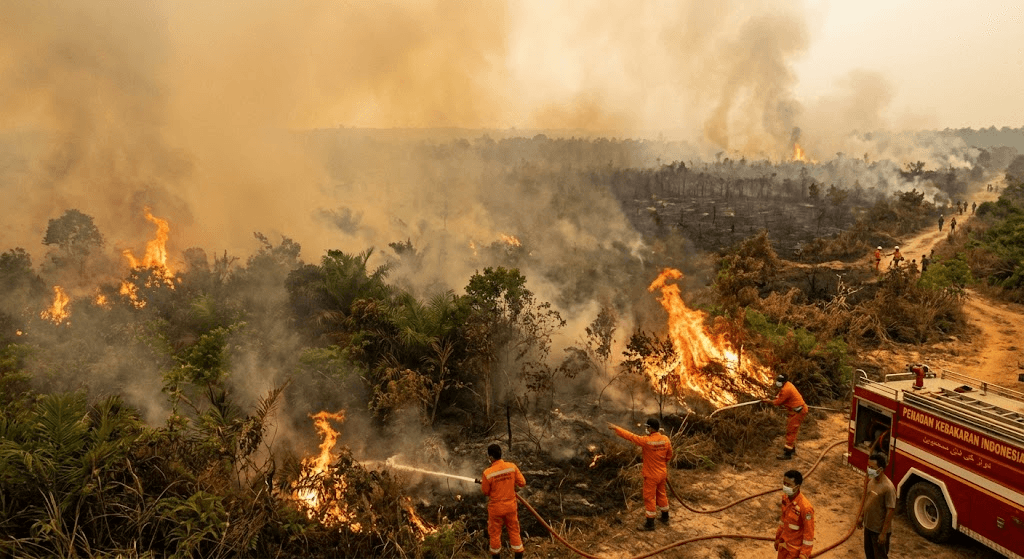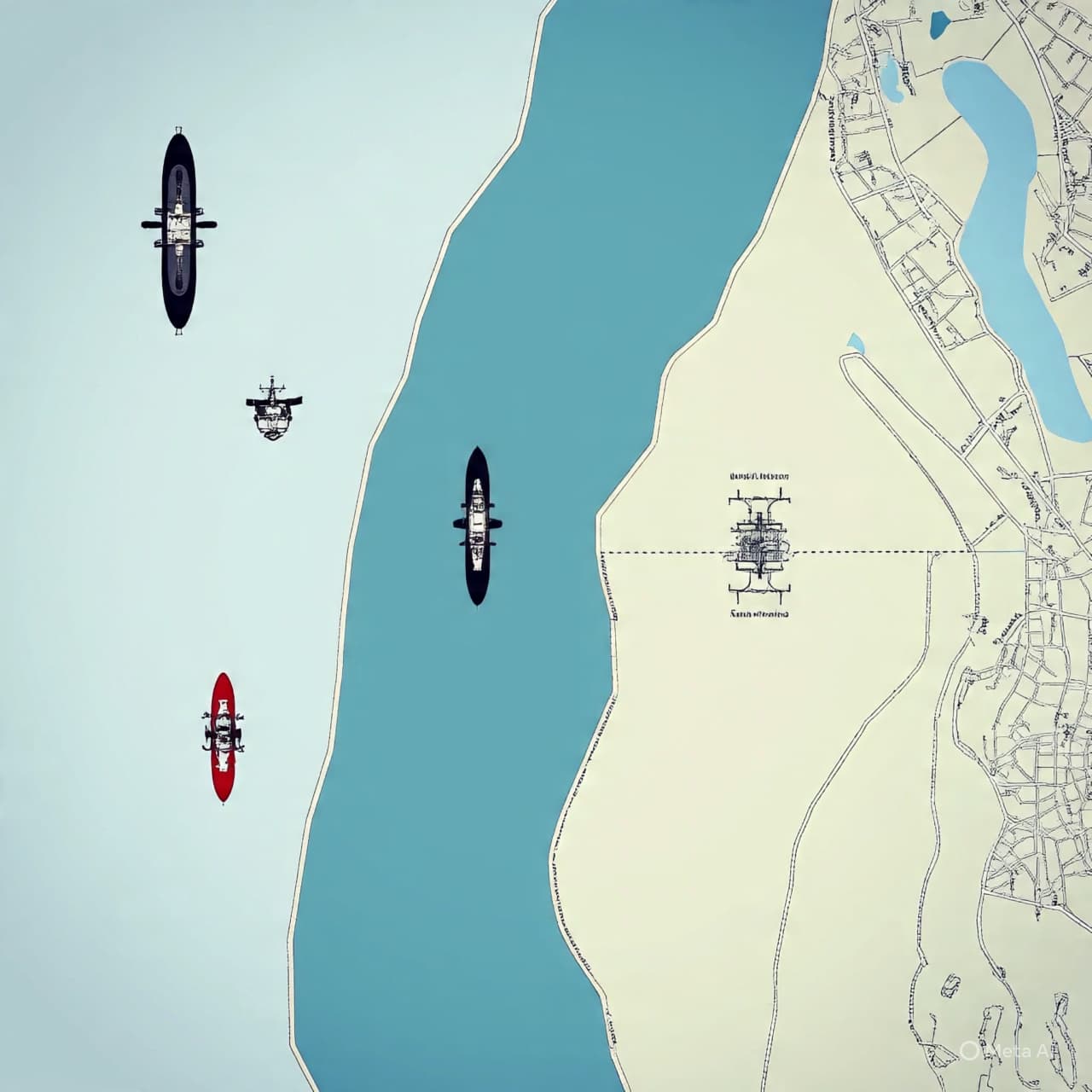
The sun hangs low over the Persian Gulf, scattering gold across restless waters as ships drift in measured rhythm, a delicate choreography of commerce and caution. Onshore, the breeze carries the scent of salt and diesel, mingling with the muted hum of distant engines. In these waters, a centuries-old passage has become both a lifeline and a line of tension, where the ambitions of nations meet the currents of global trade. The Strait of Hormuz, narrow yet commanding, stretches as a stage for the quiet weight of strategy, each vessel a note in an unfolding symphony of geopolitics.
In Washington, the discussion has turned urgent. Former President Donald Trump’s administration, in recent statements, emphasized the need for a military presence to “seize” control of the strait, a move that would mark one of the most direct interventions in a region already layered with complexity. Analysts outline several potential options: increasing naval deployments, executing targeted blockades, leveraging allied forces, or coordinating with local Gulf partners to ensure free passage of oil and commerce. Each option carries profound consequences, not only for regional stability but for the delicate architecture of international relations and global energy markets.
Strategists note that a purely naval approach, while projecting force, could spark immediate retaliatory measures from Iran, whose forces have long used asymmetric tactics, from fast-moving small craft to mined waters. Air operations, precision strikes, or rapid deployment units could supplement maritime efforts, but each layer introduces risk—risk of escalation, risk of miscalculation, and risk of affecting civilian shipping lanes that feed economies around the world. The calculus is intricate, the variables many, and the world watches with a cautious gaze as plans and contingencies are weighed in the corridors of power.
Meanwhile, life along the Gulf coast proceeds in careful balance. Ports bustle with vessels awaiting clearance, fishermen navigate familiar channels, and towns remain poised between the rhythm of daily life and the invisible shadow of military maneuvering. For those living closest to this strategic artery, the Strait is neither abstract nor distant—it is a living corridor, its waters both livelihood and potential hazard. The interplay of local experience and global strategy underscores the fragile weave of human enterprise and political calculation.
The choices ahead, though framed in military terminology and strategic briefings, carry broader implications: the potential reshaping of alliances, the movement of oil prices, and the moral weight of deploying force in a region already scarred by decades of tension. As leaders deliberate, the strait remains, as always, both passage and passageway—linking seas, economies, and the quiet calculus of consequence that rests between the horizon and the shore.
AI Image Disclaimer Visuals are AI-generated and serve as conceptual representations.
Sources Reuters BBC News The New York Times Al Jazeera CNN
Published by Banx Network. This article is part of the Banx decentralized media programme, powered by the BXE token on the XRP Ledger.