There is a quiet moment before a home purchase becomes a commitment. Buyers compare prices, lenders examine applications, and households measure future payments against the shape of their monthly budgets. In Britain, that quiet moment has become more noticeable as mortgage activity slows.
The number of mortgages approved by UK lenders fell to 56,053 in July, the lowest level since January 2024, according to Bank of England data released September 1. The figure was below economists’ expectations of 59,500 approvals.
The decline suggests that higher borrowing costs and cautious household finances continue to influence the housing market. Mortgage activity can be sensitive to even modest changes in interest rates because home purchases involve long-term financial commitments.
Yet the picture was not uniformly weaker. Net unsecured consumer borrowing increased by £2.006 billion in July, exceeding expectations and recording its largest increase since November 2025.
That contrast provides an interesting glimpse into household behavior. Some consumers appear to be taking on more short-term credit while fewer are committing to new mortgages, potentially reflecting the different financial pressures attached to major purchases and everyday spending.
House prices have continued to rise, although slowly. UK house prices were up 1.6% year over year through August, according to data cited by Reuters, a pace below consumer-price inflation.
For prospective buyers, this creates a complicated landscape. A slower increase in property prices can offer some relief, but financing remains a significant consideration when mortgage rates are still relatively high.
The Bank of England’s monetary policy therefore remains closely connected to the housing market. Changes in interest rates eventually affect mortgage pricing, household borrowing, savings decisions, and the willingness of consumers to make large purchases.
The market also varies considerably across Britain. London and other major cities can experience different price and demand patterns from smaller towns and regional housing markets, making the national numbers a broad reflection rather than a complete picture.
For lenders, the decline in approvals provides another indication that demand for housing finance has cooled. For households, the rise in unsecured borrowing suggests that spending pressures remain present even as property decisions become more cautious.
As autumn begins, Britain’s housing market enters the season with a restrained rhythm. Mortgage approvals are weaker, consumer borrowing is moving in the opposite direction, and households continue to balance housing ambitions against the cost of money.
AI IMAGE DISCLAIMER
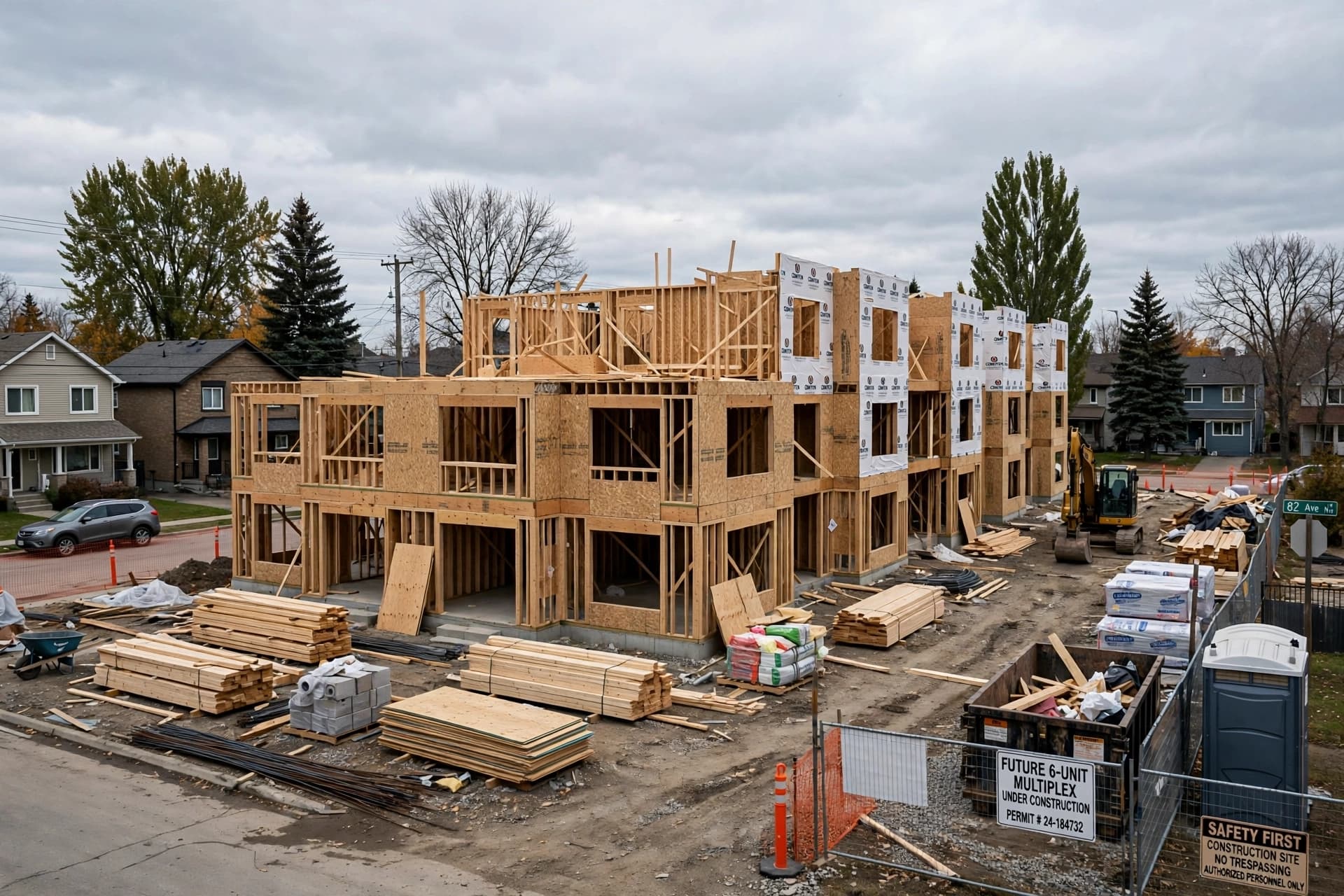
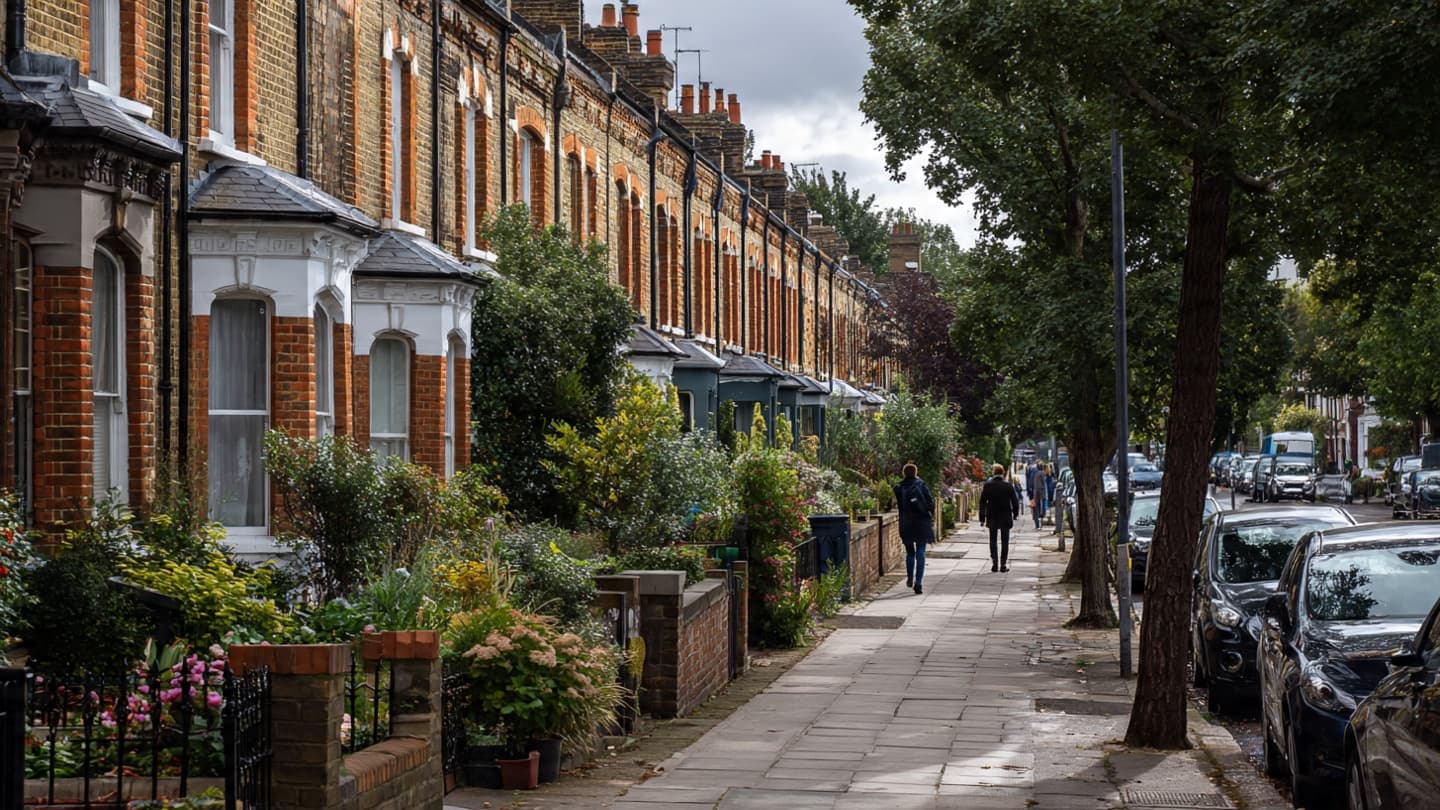
These illustrations were produced with AI and are conceptual representations of the UK housing and mortgage market, not real photographs.
SOURCES
Reuters Bank of England Office for National Statistics
Published by Banx Network. This article is part of the Banx decentralized media programme, powered by the BXE token on the XRP Ledger.