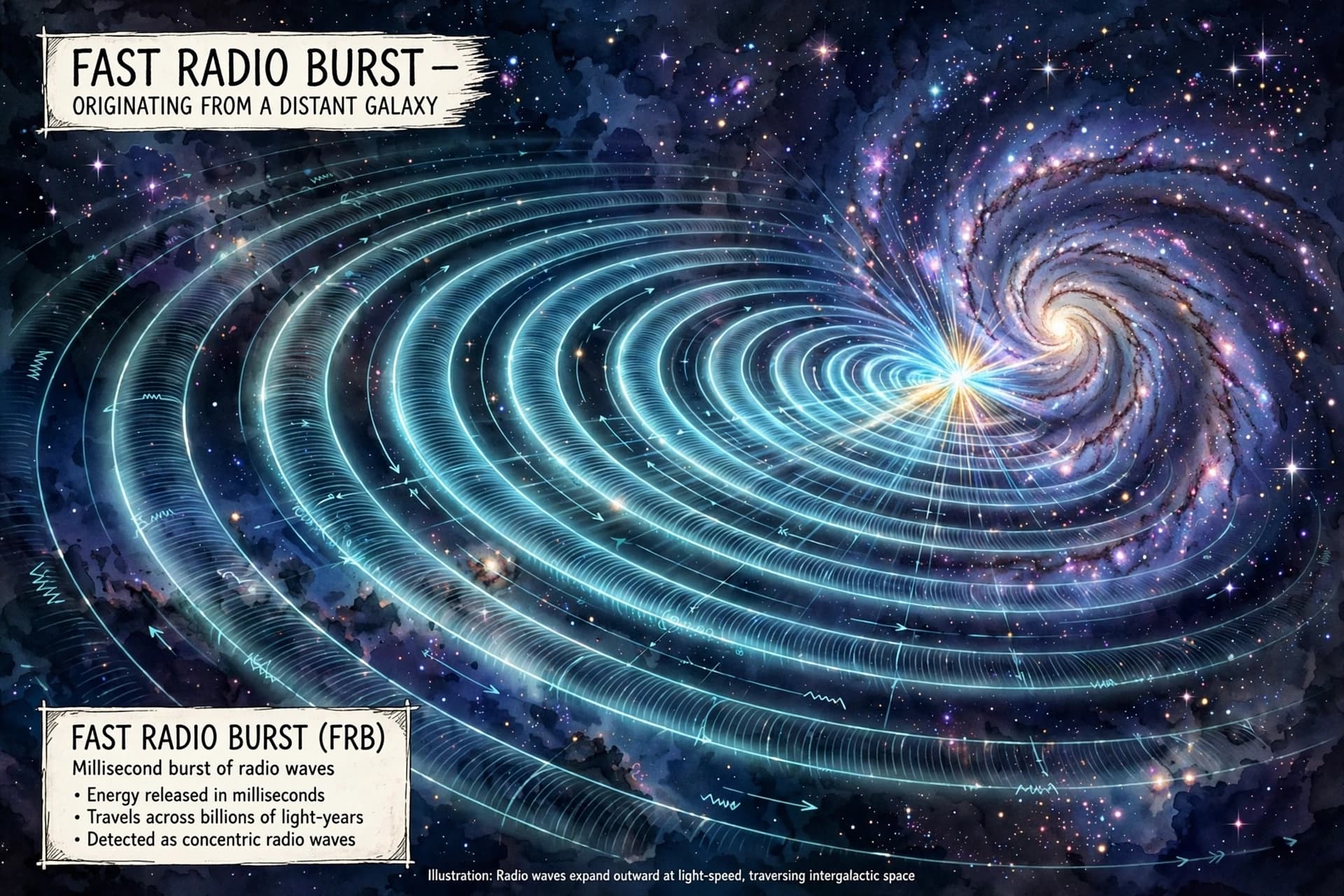
There are objects that seem to carry more than their weight, as though they arrive already filled with distance and time. Long before they are shaped by human hands, they have traveled—through silence, through darkness, through the vastness between worlds. When they finally come to rest, they do so quietly, becoming part of the earth without announcing where they have been.
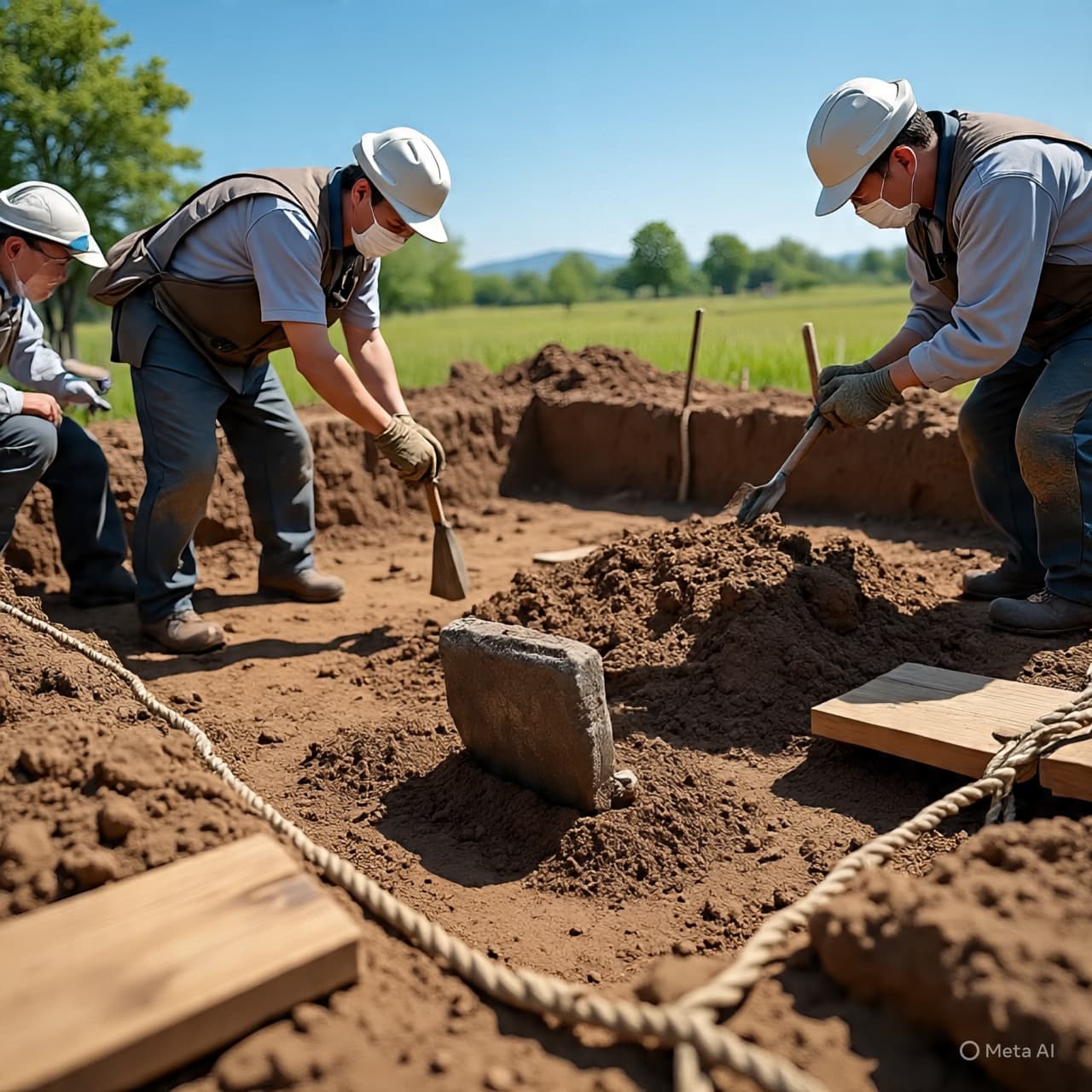
At the Sanxingdui archaeological site, where layers of history lie folded beneath the soil, such an object has recently been brought back into view. The site itself, long known for its striking bronze masks and ritual artifacts, continues to reveal fragments of a civilization that moved between craftsmanship and ceremony with a distinctive rhythm. Now, among these discoveries, something older still has emerged—an artifact formed not only by human intention, but by cosmic origin.
Archaeologists have identified what is believed to be China’s earliest known Bronze Age artifact made from meteoritic iron. Unlike iron produced through smelting—a process that would only become widespread much later—this material arrived already forged in the extreme conditions of space. Its composition, marked by high levels of nickel, points to an extraterrestrial source, distinguishing it from terrestrial iron deposits.
The object itself is modest in size, yet its significance stretches outward. It suggests a moment in which ancient communities encountered a material unlike any they could produce themselves. Before the development of ironworking technologies, meteoritic iron would have appeared rare and perhaps even enigmatic, its properties distinct from the more familiar bronze that defined the era.
At Sanxingdui, where many artifacts are understood to have been used in ritual contexts, the presence of such a material carries a particular resonance. It is possible that meteoritic iron, arriving from beyond the sky, held symbolic meaning—valued not only for its physical qualities, but for the sense of origin it implied. In a landscape shaped by ceremony, an object from the heavens may have been understood as something set apart, woven into practices that bridged the earthly and the unseen.
The discovery also reflects a transitional moment in technological history. The Bronze Age, defined by the use of copper alloys, preceded the widespread adoption of iron by centuries. Yet here, within this earlier period, is evidence of iron already in use—not as the result of innovation in metallurgy, but as a response to what had been found. It suggests that the path toward ironworking may have included these earlier encounters, where the material was known before it could be made.
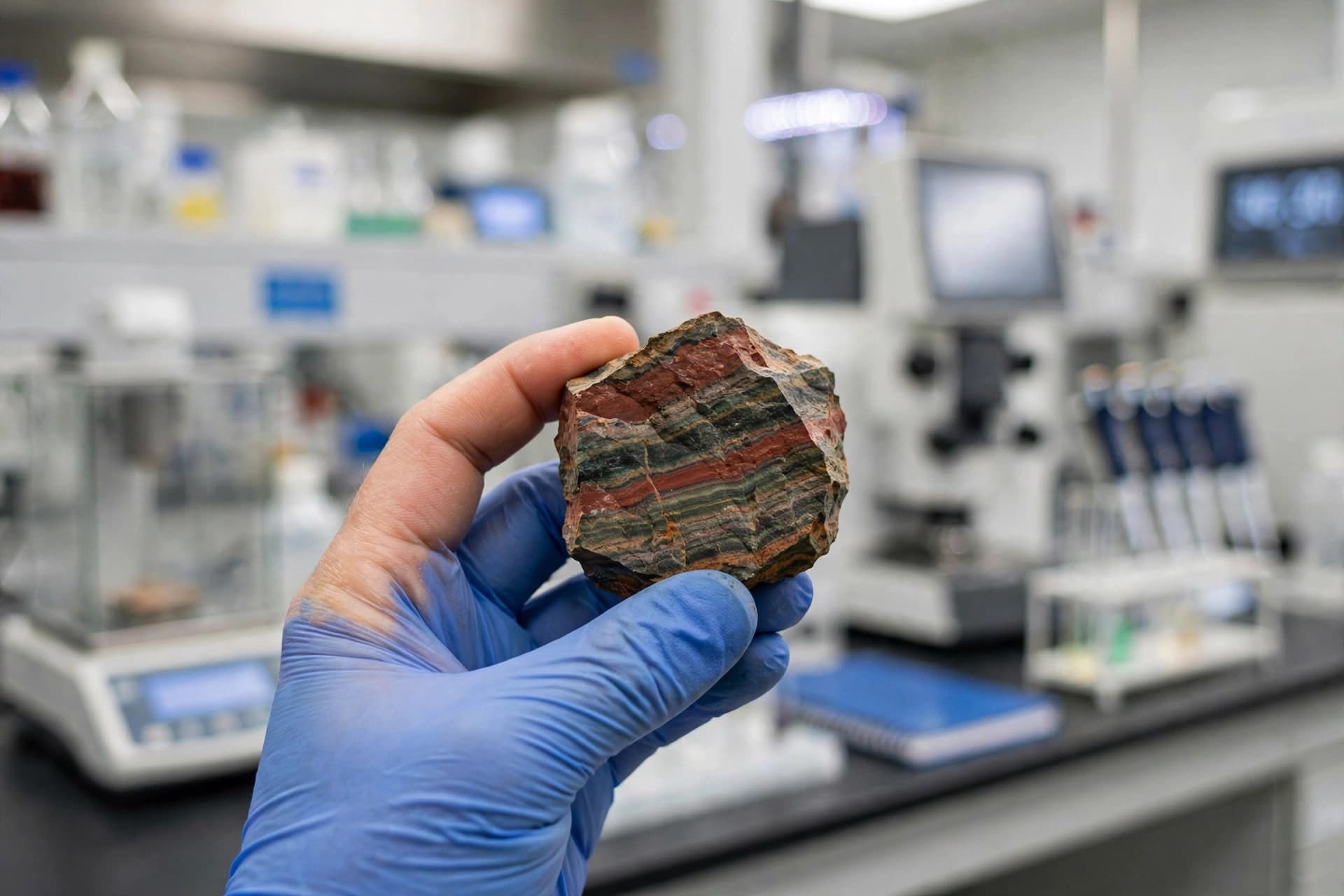
Scientific analysis has played a central role in confirming the artifact’s origin. By examining its elemental composition, researchers have been able to distinguish meteoritic iron from iron derived from the Earth’s crust. Such methods allow the past to be read not only through form and context, but through the materials themselves, each carrying its own history.
There is a quiet continuity in this. A fragment that once moved through space, shaped by forces far removed from human experience, comes to rest in the hands of a society that assigns it meaning, purpose, and place. Over time, it is buried, forgotten, and then rediscovered—its journey extending across both cosmic and human scales.
Archaeologists have confirmed that a meteoritic iron artifact unearthed at the Sanxingdui site represents the earliest known example of its kind in China’s Bronze Age. Analysis indicates the iron originated from a meteorite, offering new insight into early material use and cultural practices in ancient China.
AI Image Disclaimer
Visuals are AI-generated and serve as conceptual representations.
Source Check Xinhua News Agency China Daily BBC The Guardian Smithsonian Magazine
Published by Banx Network. This article is part of the Banx decentralized media programme, powered by the BXE token on the XRP Ledger.