For most animals, hunger arrives with urgency. The body signals, metabolism stirs, and energy must be replaced. But for snakes, time stretches differently. Weeks pass, then months, and still the absence of food does not become crisis. What appears, from the outside, as extreme endurance is in fact a finely tuned biological patience written deep into their genes.
Snakes evolved in landscapes where meals were uncertain and effort carried risk. A failed hunt could mean injury; a successful one might provide more nourishment than the body could immediately use. Rather than burning energy constantly, snakes adapted toward conservation. Recent genetic research reveals that this restraint is not merely behavioral, but molecular — a coordinated system that slows life itself.
At the center of this system are genes that regulate metabolism with unusual precision. After feeding, snakes trigger an intense but temporary metabolic surge, rapidly digesting prey, rebuilding tissues, and storing energy. Once digestion is complete, those same genetic pathways sharply downshift. Organs shrink, heart rate slows, and energy expenditure drops to a fraction of what is typical in mammals or birds.
Unlike animals that rely on steady glucose intake, snakes shift toward genetic programs that favor lipid use and cellular preservation. Fat stores are mobilized slowly, muscle breakdown is minimized, and insulin sensitivity is altered to prevent energy waste. Certain genes linked to cellular stress resistance and protein recycling remain active, allowing tissues to maintain function even during prolonged fasting.
What makes this strategy remarkable is its reversibility. When food returns, the snake’s genome orchestrates a rapid transformation. Digestive organs expand again, enzyme production spikes, and blood flow increases dramatically — all within days. The same genes that suppressed activity during fasting now enable explosive efficiency. Few vertebrates display such extreme metabolic flexibility without long-term damage.
This genetic economy explains why snakes can wait without weakening, why a single large meal can sustain them through seasons, and why hunger rarely dictates their movement. Their bodies are not designed for constant motion or frequent feeding, but for survival across silence and scarcity.
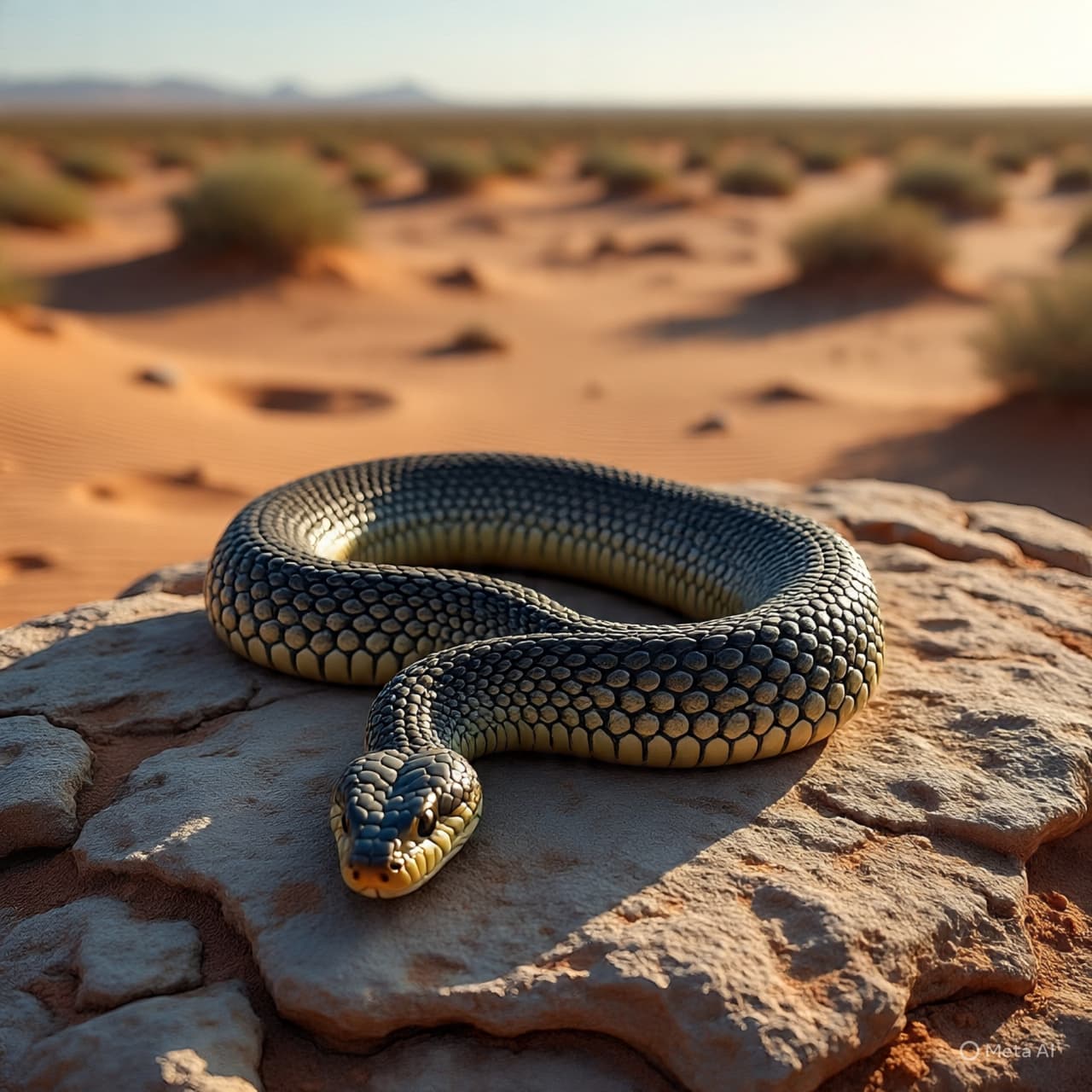
In the stillness of a coiled snake, there is no urgency — only readiness. The genome does not rush toward the next meal; it waits. And in that waiting lies one of evolution’s quietest triumphs: a life built not on consumption, but on restraint.
AI Image Disclaimer Visuals are AI-generated and intended as conceptual representations.
Sources Science Nature Genetics Proceedings of the National Academy of Sciences
Published by Banx Network. This article is part of the Banx decentralized media programme, powered by the BXE token on the XRP Ledger.