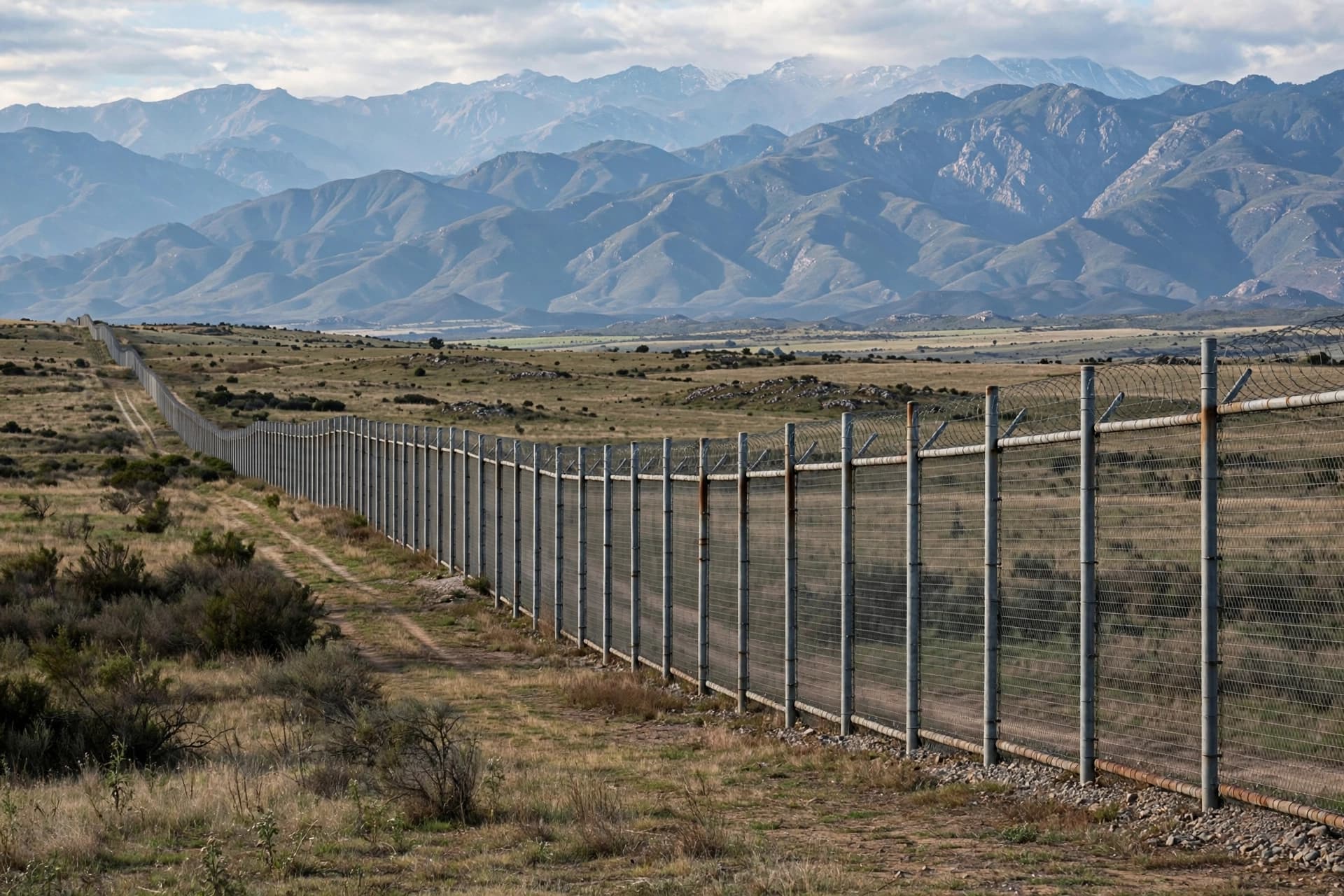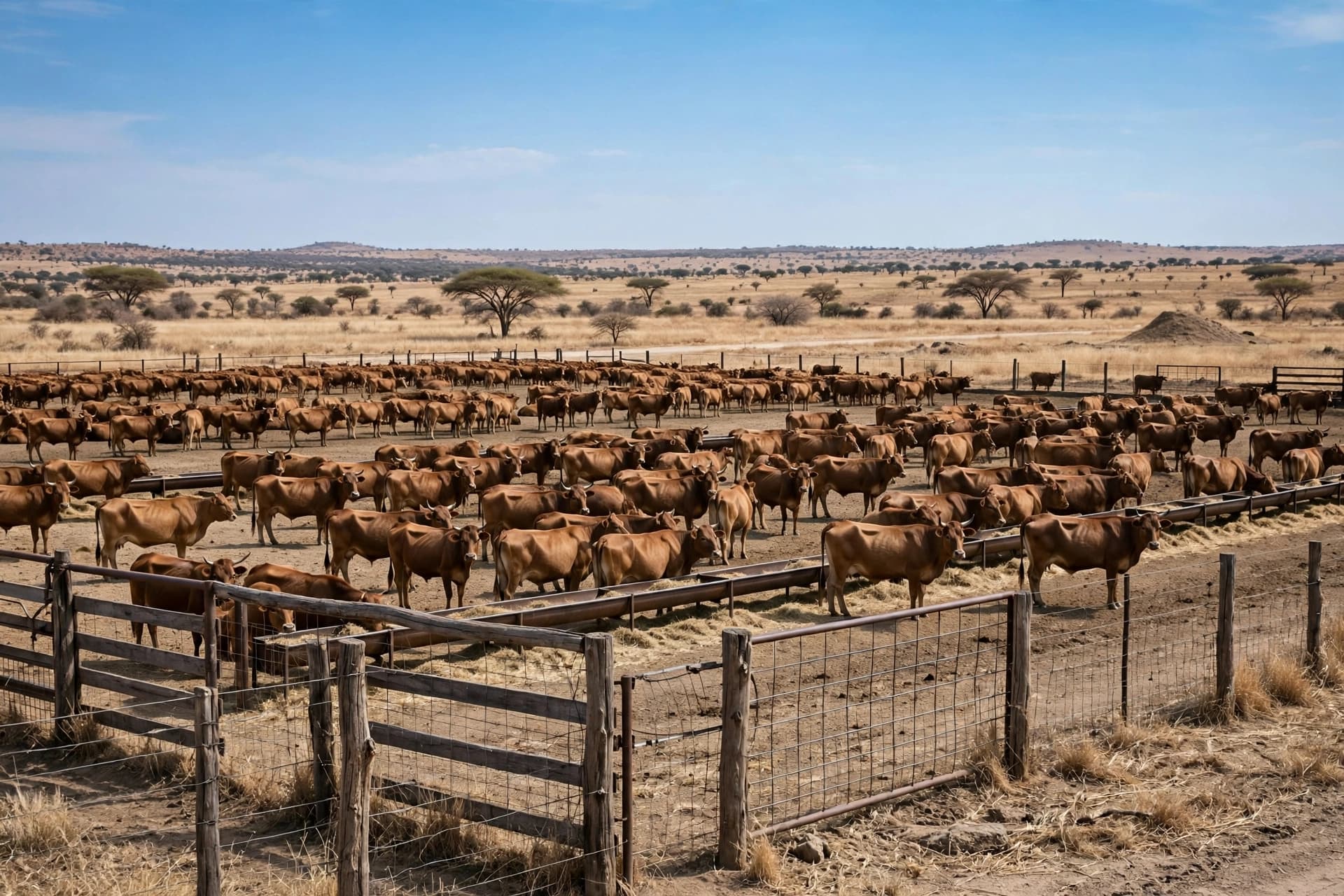
In the vast, sun-drenched landscapes of Botswana, where the rhythm of life has long been tied to the slow, steady movement of cattle, a quiet crisis is unfolding. The foot-and-mouth disease outbreak, once a manageable agricultural challenge, has grown into a complex web of economic strain and political tension. As thousands of animals remain stranded in feedlots, unable to move or be sold, the silence of the fields speaks louder than words, reflecting a nation grappling with the delicate balance between health security and livelihood preservation.
The heart of this issue lies in the staggering number of six thousand six hundred cattle currently held in limbo. These animals, representing significant capital for private beef feedlots and rural farmers alike, are trapped by strict movement restrictions designed to contain the spread of the virus. For the farmers, each day brings not only financial loss but also a growing sense of uncertainty about the future of their herds and the legacy of their work.
The European Union’s decision to close its doors to Botswana’s beef exports has compounded the difficulty, severing a vital economic artery that has long supported the country’s agricultural sector. This external pressure has turned an internal health issue into a broader economic dilemma, forcing stakeholders to reconsider how resilience is built in the face of global market fluctuations and biological threats.
Amidst this backdrop, the political landscape has become increasingly charged. The opposition Botswana Congress Party has stepped forward, demanding the establishment of a relief fund and a comprehensive audit of the government’s handling of the crisis. Their call is not merely for financial assistance but for transparency and accountability, suggesting that the current measures may lack the clarity and efficiency needed to address such a profound disruption.
Private feedlots have pleaded with neighboring South Africa to accept and slaughter the stranded cattle, hoping to mitigate losses and prevent further deterioration of animal health. Yet, these requests highlight the regional interdependence of agricultural markets and the challenges of coordinating cross-border solutions during a health emergency. The situation underscores how local issues can quickly ripple through regional economies, affecting supply chains and trade relationships.
Beyond the immediate economic impact, the crisis threatens the genetic pipeline of Botswana’s cattle industry. Stud breeders report that movement restrictions have disrupted breeding programs, potentially affecting the quality and diversity of the national herd for years to come. This long-term risk adds another layer of complexity to the debate, as policymakers must weigh short-term relief against the preservation of agricultural heritage.
As the crisis enters a new phase, the conversation has shifted from purely technical management to broader questions of governance and support. The demand for an audit reflects a desire for understanding how decisions were made and whether alternative strategies could have lessened the blow. It is a moment for reflection on how institutions respond when traditional systems are tested by unforeseen challenges.
The path forward requires careful navigation, balancing the urgent needs of farmers with the imperative of public health safety. As Botswana seeks to restore confidence in its beef industry, the dialogue between government, opposition, and agricultural stakeholders will likely shape not only the resolution of this crisis but also the framework for future agricultural resilience.
AI Image Disclaimer: The accompanying visual representations are generated by artificial intelligence to illustrate the context of the article and do not depict real-time events or specific individuals.
Sources: African Farming Mmegi Farmers Weekly The Monitor
Published by Banx Network. This article is part of the Banx decentralized media programme, powered by the BXE token on the XRP Ledger.