
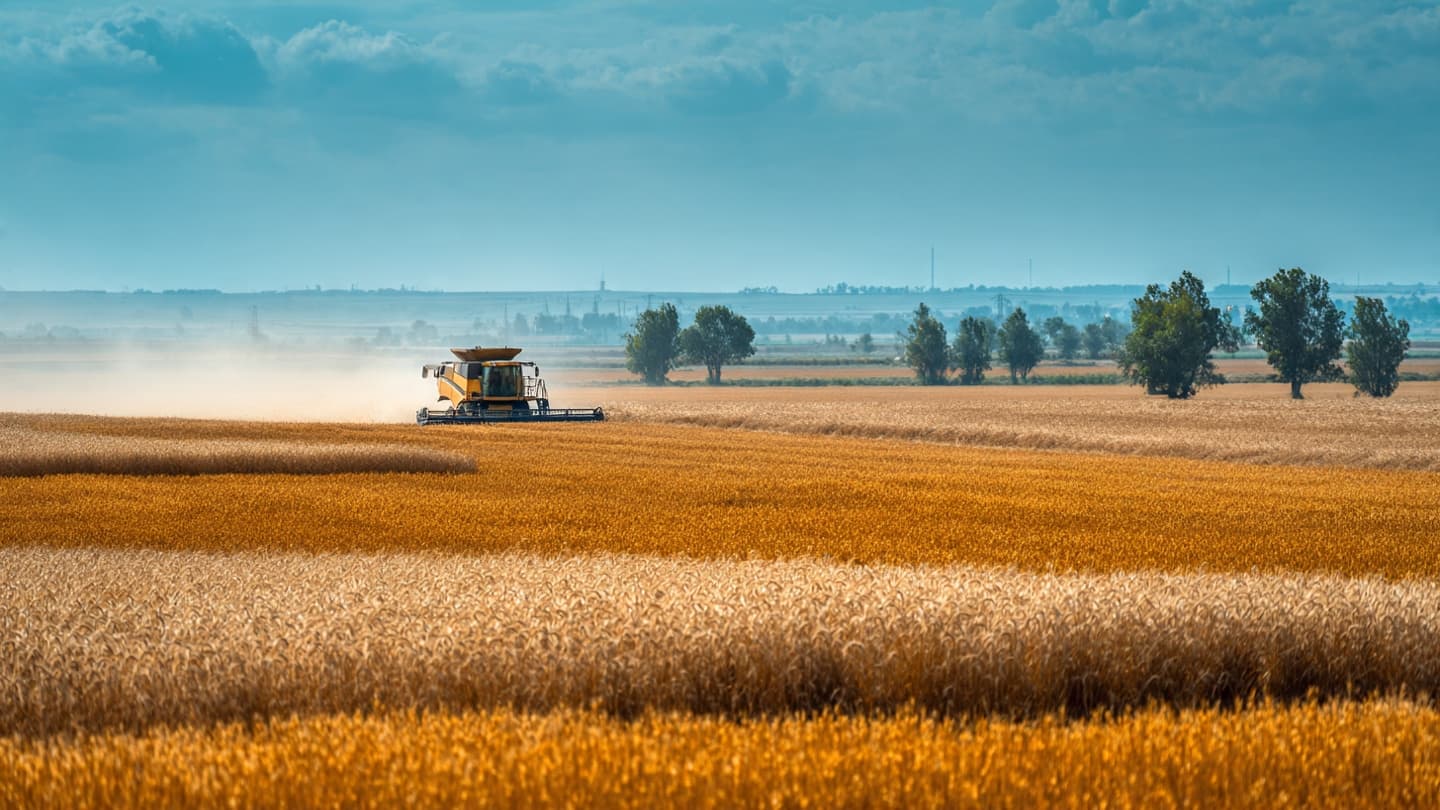
Wheat begins its journey far from the table. It grows beneath wide fields, moves through elevators and ports, and eventually crosses oceans before becoming bread, noodles or other everyday foods. This long journey has become more uncertain as disruptions around the Black Sea tighten supplies and push international prices higher.
Global wheat importers are preparing for tighter supplies after attacks on Black Sea grain infrastructure disrupted shipments, according to Reuters. The disruptions have raised concerns among major buyers, including Egypt and Indonesia, while benchmark Chicago wheat futures have risen more than 17% since the beginning of July.
The Black Sea region is one of the world's most important grain-exporting areas. Russia and Ukraine have historically supplied large quantities of wheat to international markets, making the region particularly important for countries that rely heavily on imports.
When ports, storage facilities or shipping routes are disrupted, the effect can travel quickly through commodity markets. Buyers begin looking for alternative supplies, exporters adjust prices, and shipping costs can change as traders reassess the risks associated with particular routes.
The recent rise in Chicago wheat futures reflects that uncertainty. Physical wheat prices have also strengthened in alternative exporting countries, including Argentina, Australia and the United States, as buyers look beyond the Black Sea for additional supplies.
For Indonesia, the issue carries particular relevance because the country is one of the world's major wheat importers. Wheat is used extensively in flour production and food manufacturing, including noodles, bakery products and other processed foods.
A change in global wheat prices does not automatically translate into an identical change in retail food prices. Importers and manufacturers may have existing inventories, contracts and hedging arrangements that temporarily absorb movements in commodity markets.
But sustained increases can eventually move through supply chains. Flour producers face higher input costs, while food manufacturers must balance raw-material prices against consumer demand and competition.
The situation also highlights the importance of diversification. Countries that depend heavily on imports can benefit from maintaining relationships with several suppliers, allowing purchases to shift when one major producing region experiences disruption.
Global wheat markets have experienced similar periods of volatility in the past. Weather events, export restrictions, transportation problems and geopolitical disruptions can all change the balance between available supply and global demand.
For farmers outside the Black Sea region, higher international prices can create stronger incentives to increase production. But agriculture operates on longer cycles, meaning additional supply cannot always arrive immediately when markets tighten.
The current movement therefore remains a developing story across global food markets. Buyers are watching Black Sea shipments closely while exporters elsewhere assess opportunities to fill the gap. For consumers thousands of kilometers away, the consequences may eventually appear not at a port or commodity exchange, but in the price of familiar foods.
Image Disclaimer
The visuals are AI-generated conceptual representations of global wheat markets and shipping routes and are not actual photographs of current events.
Sources
Reuters Food and Agriculture Organization U.S. Department of Agriculture International Grains Council World Food Programme
Published by Banx Network. This article is part of the Banx decentralized media programme, powered by the BXE token on the XRP Ledger.



