
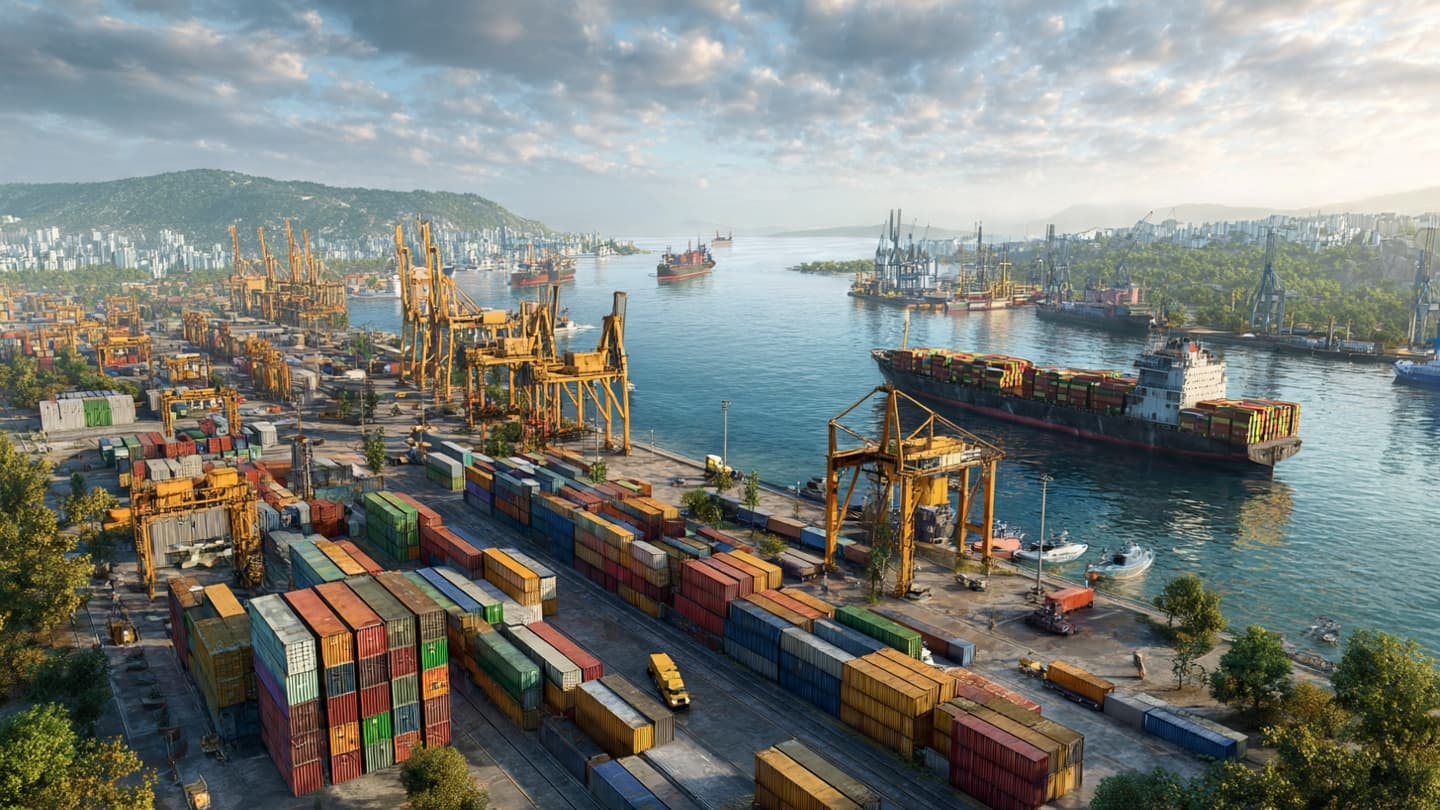
The global logistics industry operates like a moving river, constantly adjusting its direction while carrying the products that support everyday life. Behind every delivery is a careful balance between speed, cost, and reliability.
Modern businesses increasingly recognize that supply chains must be prepared for uncertainty. A single disruption in an important transportation corridor can create wider effects across manufacturing, retail, and international commerce.
Logistics companies have responded by exploring alternative routes and improving their planning systems. These strategies help businesses maintain operations when traditional pathways face additional challenges.
Alternative transportation routes may require additional time and resources, but they provide flexibility. For companies operating across continents, adaptability has become one of the most valuable advantages.
The shipping industry has also invested heavily in technology. Digital tracking systems and advanced forecasting tools allow companies to monitor movement more accurately and make decisions more quickly.
Supply chain strategies have changed significantly in recent years. Many businesses now prioritize resilience alongside efficiency, recognizing that stable operations require preparation for different scenarios.
Global logistics remains closely connected with economic growth. The ability to move goods efficiently influences industries ranging from manufacturing and agriculture to technology and consumer products.
As international trade continues evolving, companies are building more diverse networks. These efforts reflect a broader transformation in how businesses approach global distribution.
The future of logistics will depend on innovation, cooperation, and flexibility. In a world connected by oceans and trade routes, the ability to adapt remains a central part of economic success.
AI Image Disclaimer Illustrations were created using AI tools and represent conceptual visualizations only.
Sources Reuters Bloomberg CNBC Financial Times International Maritime Organization
Published by Banx Network. This article is part of the Banx decentralized media programme, powered by the BXE token on the XRP Ledger.



