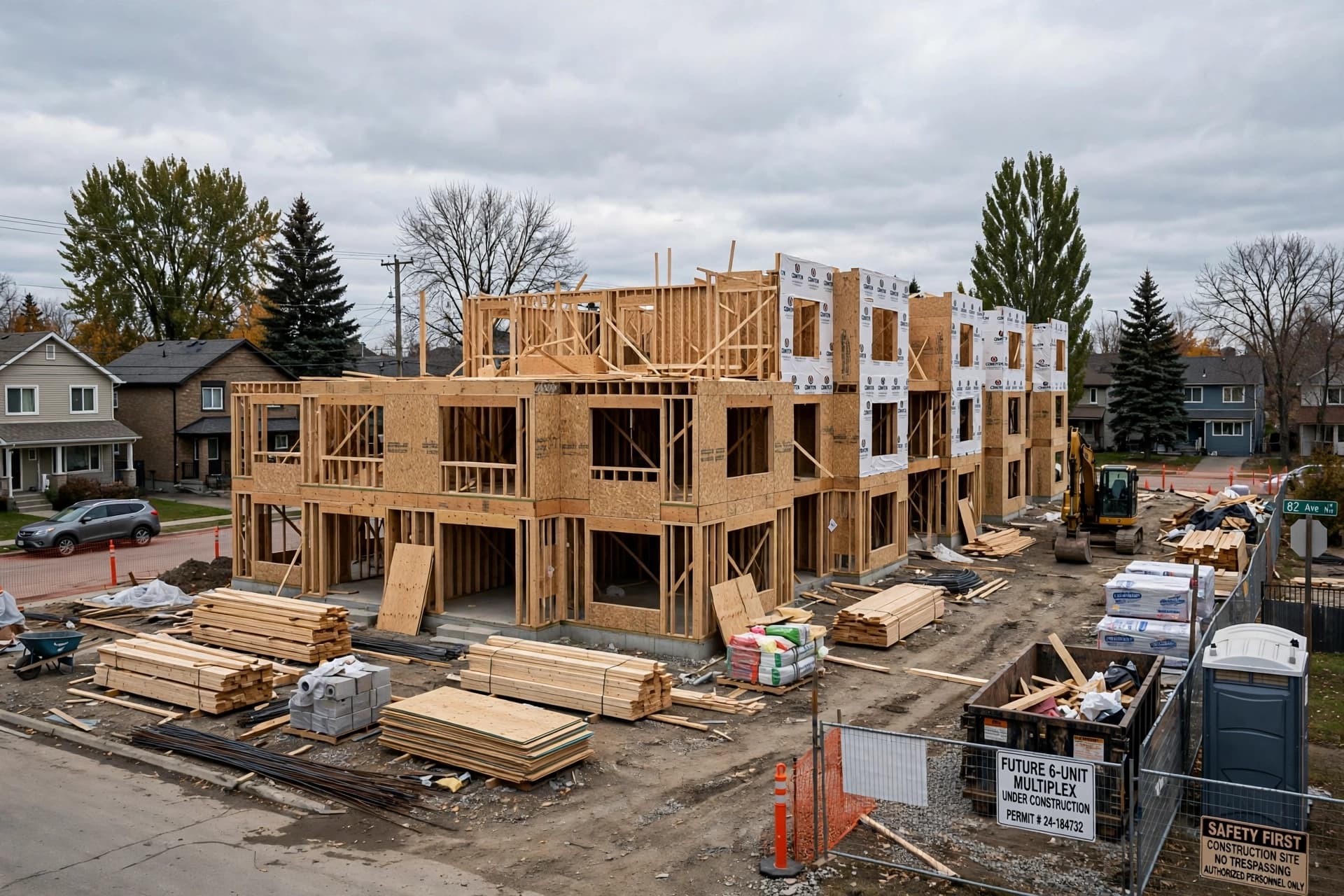
Key Highlights
- Calgary's council recently repealed a blanket rezoning policy aimed at increasing housing availability.
- The decision reflects community concerns about infrastructure and neighborhood character.
- Future discussions will focus on targeted rezoning that aligns with local needs and capacities.
Calgary, a city known for its dynamic growth, recently made headlines with its decision to repeal a sweeping rezoning policy that aimed to increase housing availability across the urban landscape. This initiative was initially designed to address pressing issues such as population growth, housing shortages, and rising affordability concerns. However, the council's recent action signals a moment of reflection rather than outright rejection of the need for housing reform.
The blanket rezoning initiative had promised a straightforward solution: by removing barriers to various housing types, it aimed to facilitate the construction of homes in response to the city's growing demands. Yet, as the policy began to unfold, it sparked significant debate among residents and policymakers alike. Many voiced concerns about how such uniform changes could fundamentally alter the character of their neighborhoods. Issues such as potential infrastructure strain and the risk of losing long-established community identities became focal points of contention.
In light of these concerns, Calgary's council appears to be pivoting towards a more nuanced approach to housing policy. Rather than applying a one-size-fits-all solution, discussions are now centered on developing targeted rezoning rules that take into account local infrastructure capacities and community input. This shift reflects a broader trend in urban planning, where cities are increasingly recognizing that effective housing policies must be adaptable and sensitive to the unique characteristics of each neighborhood.
Despite the repeal of the blanket policy, the urgency of addressing housing supply remains a critical issue for Calgary. The city continues to face rising demand for housing, and the challenge lies in ensuring that any new policy revisions do not hinder progress towards improving affordability and availability. Urban planners and stakeholders are now tasked with the delicate balancing act of crafting regulations that promote development while preserving the qualities that make communities feel cohesive and rooted.
This situation also invites a broader reflection on how cities experiment with policy. Not every initiative will achieve its intended outcomes, but each provides valuable insights into the complexities of urban development. Calgary's experience may serve as a case study for other municipalities grappling with similar challenges, as they seek to find models that effectively balance growth with sustainability.
As discussions continue, Calgary finds itself at a pivotal crossroads, where ambition meets caution. The future of housing in the city will not be shaped by a single decision but rather by an ongoing dialogue that considers the diverse needs and aspirations of its residents. This evolving conversation will be crucial in determining how Calgary navigates its housing future in a way that honors both growth and community identity.
Published by Banx Network. This article is part of the Banx decentralized media programme, powered by the BXE token on the XRP Ledger.