In a world where trade winds have grown unpredictable, Canada and the South American trade bloc Mercosur are accelerating negotiations toward a free trade agreement, aiming to conclude a deal by the end of 2026. After years of stalling — linked in part to pandemic-related disruption — the talks took on new urgency in October 2025, when both sides formally resumed negotiations that originally began in 2018, driven by shifting global trade patterns and a strategic push to diversify beyond traditional partners.
At the heart of the resumption is a shared desire to expand commercial horizons. Canada’s International Trade Minister, Maninder Sidhu, has underscored the priority of concluding the talks within roughly a year, visiting key Mercosur capitals to reaffirm commitment to the process and revive momentum. Mercosur — comprising Argentina, Brazil, Paraguay and Uruguay, with Bolivia poised to become a full member — delivers a combined market rich in agricultural and industrial exports such as soybeans, iron ore, beef and crude oil.
Despite the ambition, the Canada-Mercosur dialogue confronts familiar challenges. Trade negotiators have to navigate overlapping export interests — where both sides produce similar primary goods — and reconcile regulatory and tariff frameworks that currently favour internal markets over cross-regional flows. Some experts caution that overlapping exports could make it difficult for each party to tap into traditional comparative advantages without careful negotiation and safeguards.
The push to accelerate talks also comes against a backdrop of rising protectionism in major economies such as the United States. Recent tariffs imposed on steel, lumber and other sectors have pressured Canadian firms — particularly those with integrated supply chains tied to U.S. markets — to seek deeper access to alternative markets. Canada’s move toward Mercosur talks reflects a broader strategy of trade diversification, aiming to unlock new opportunities for businesses and reduce reliance on any single trading partner.
Negotiators are focusing on key issues such as zero tariffs on the majority of goods, support for small and medium-sized enterprises, and mechanisms to address anti-dumping concerns, among other technical topics. Working groups have been meeting frequently — sometimes daily — to prepare draft frameworks and coordinate on proposed provisions, with in-person talks expected to intensify in early 2026.
The resumption of Canada-Mercosur talks also reflects broader trends in global trade diplomacy. With the long-anticipated Mercosur–EU free trade deal facing repeated delays, Mercosur partners are keen to secure alternative bilateral and plurilateral agreements that can generate economic opportunities while global institutions like the WTO grapple with modernizing rules for a changing world.
For Canada, securing a pact with Mercosur would deepen commercial engagement across the Americas and create new avenues for Canadian exports of manufactured goods, services and technology — areas where Canadian firms are competitive globally. For Mercosur members, access to Canada’s dynamic economy offers potential boosts for farm and commodity sectors, with any reduction in tariffs expected to stimulate trade flows and investment.
While negotiating a comprehensive free trade agreement is complex — often taking years or longer — both Canada and Mercosur officials are proceeding with a sense of urgency not seen in past rounds. Should they succeed by the targeted end-of-2026 timeline, the deal would mark a significant milestone in hemispheric trade relations and rebalance commercial linkages in a time of economic recalibration.
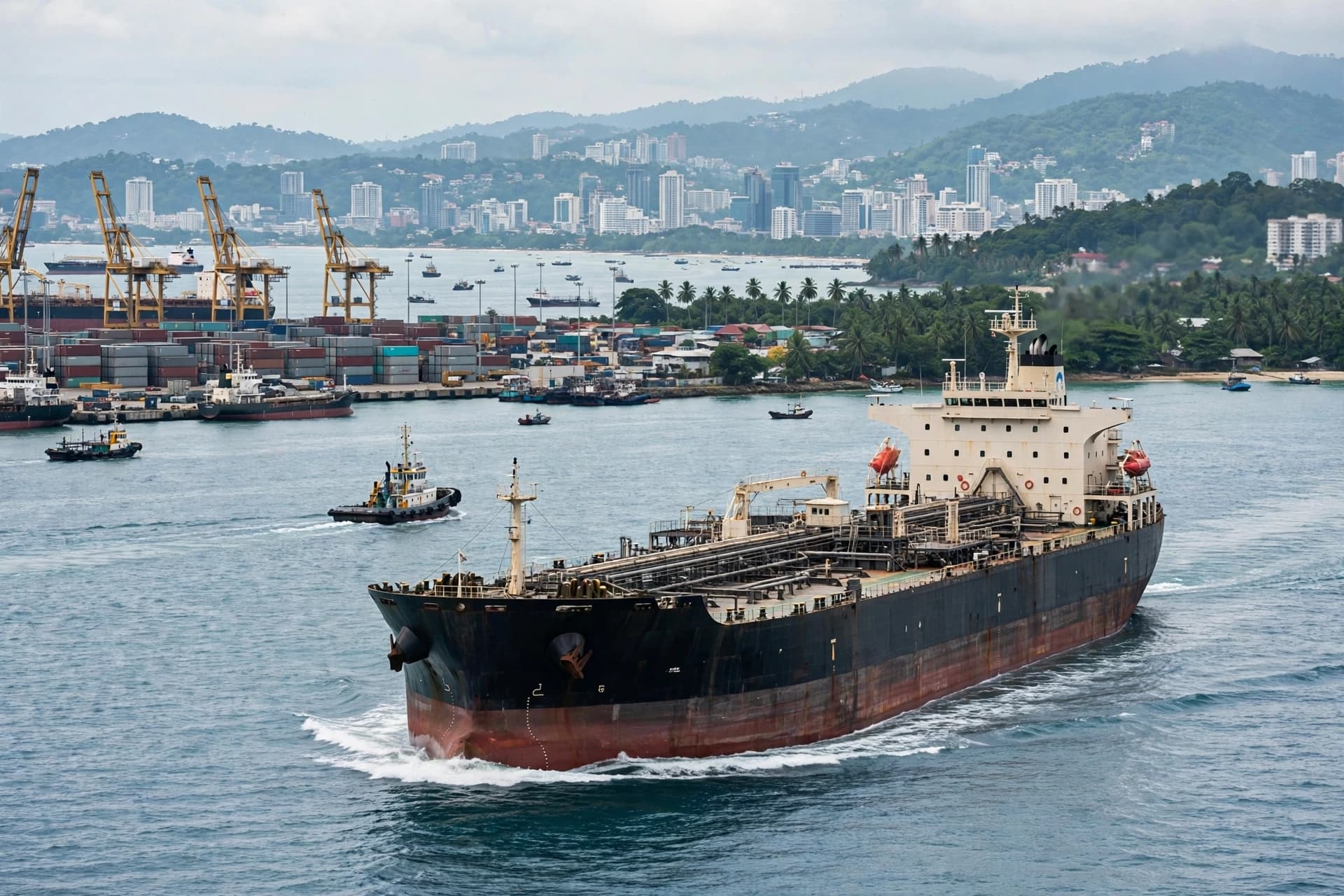
AI Image Disclaimer Visuals are created with AI tools and are not real photographs.
Sources Financial Times (via FT.com)
Published by Banx Network. This article is part of the Banx decentralized media programme, powered by the BXE token on the XRP Ledger.