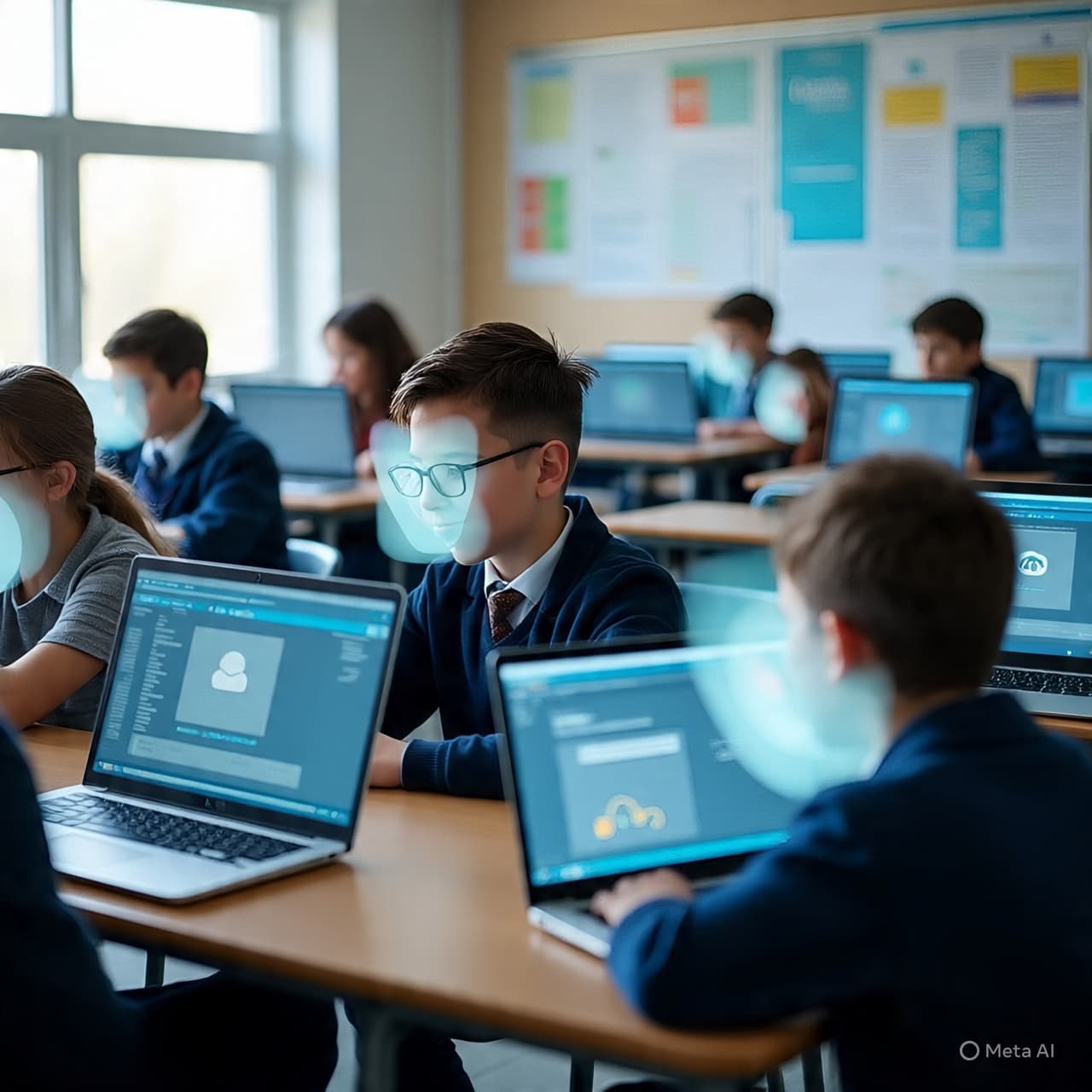
For students in Wake County, the internet has long been both a window and a worry.
On one hand, school‑issued devices and classroom connectivity open paths to research, collaboration, and learning that once required a textbook and a trip to the library. On the other hand, gaps in filtering have at times allowed distraction or harmful material to slip through, prompting concern from families and educators alike. Some students were even able to reach inappropriate sites on district laptops, sparking outrage and calls for tighter controls. (ABC11 Raleigh-Durham)
Now, school leaders are considering a fresh set of tools to shape what students see online.
The Wake County Board of Education is poised to vote on a contract with a technology provider to bring in more advanced internet filtering and monitoring software across district devices and networks. The proposed system, previewed through a pilot program, has been described by district officials as more accurate at blocking unsuitable sites and more informative about students’ online habits than the existing tools. (WRAL News)
At the heart of the discussion is a central tension: how to strike a balance between protecting students and preserving trust. Supporters often frame enhanced filtering as a necessary layer of offline safety extended into the digital world, part of a broader duty to foster secure learning environments that meet legal expectations such as those outlined in federal child safety laws requiring protection from obscene or harmful content. (Wikipedia)
But critics — including some parents and privacy advocates — worry that heavier monitoring could edge into surveillance, blur the boundaries between educational oversight and constant observation, and chill students’ willingness to explore and learn. Schools across the country have faced similar debates as students become increasingly tech‑savvy, finding workarounds or apps that circumvent simpler filters and raise questions about the limits of control. (ABC11 Raleigh-Durham)
The Wake system’s leadership says the intention is not to spy for its own sake, but to offer teachers a clearer window into real time online activity so they can intervene when students encounter danger or distraction. District staff have pointed to inconsistent blocking of sites like video platforms and adult content in the past, noting that better tools could reduce classroom interruptions and help guide interventions that keep learning on track. (WRAL News)
The technology under consideration — part of a proposed one‑year, six‑figure contract — includes both filtering and reporting capabilities, giving educators more visibility into trends and patterns in student browsing. Such systems, increasingly used in K‑12 settings, aim to block categories of harmful content while also providing alerts when certain keywords or activities suggest a student may be at risk online. (Netsweeper)
Yet the choice before the board is not strictly technical. It is ethical and cultural. It touches on how much autonomy students should have over digital exploration; how much insight adults should claim into young people’s online behavior; and how to avoid treating every filter evasion or curious search as a disciplinary case rather than a learning opportunity.
As Wake Schools consider moving ahead this spring, the conversation reveals a broader moment in education: one where the promise of connectivity must be weighed against the promise of safety, and where the decision to filter, monitor, or trust becomes a matter not just of code, but of community values.
AI image disclaimer Visuals are AI‑generated and serve as conceptual representations.
Sources Local reporting on Wake Schools’ filtering and monitoring proposal Coverage of student online access concerns Context on school internet safety and federal content protection expectations
Published by Banx Network. This article is part of the Banx decentralized media programme, powered by the BXE token on the XRP Ledger.