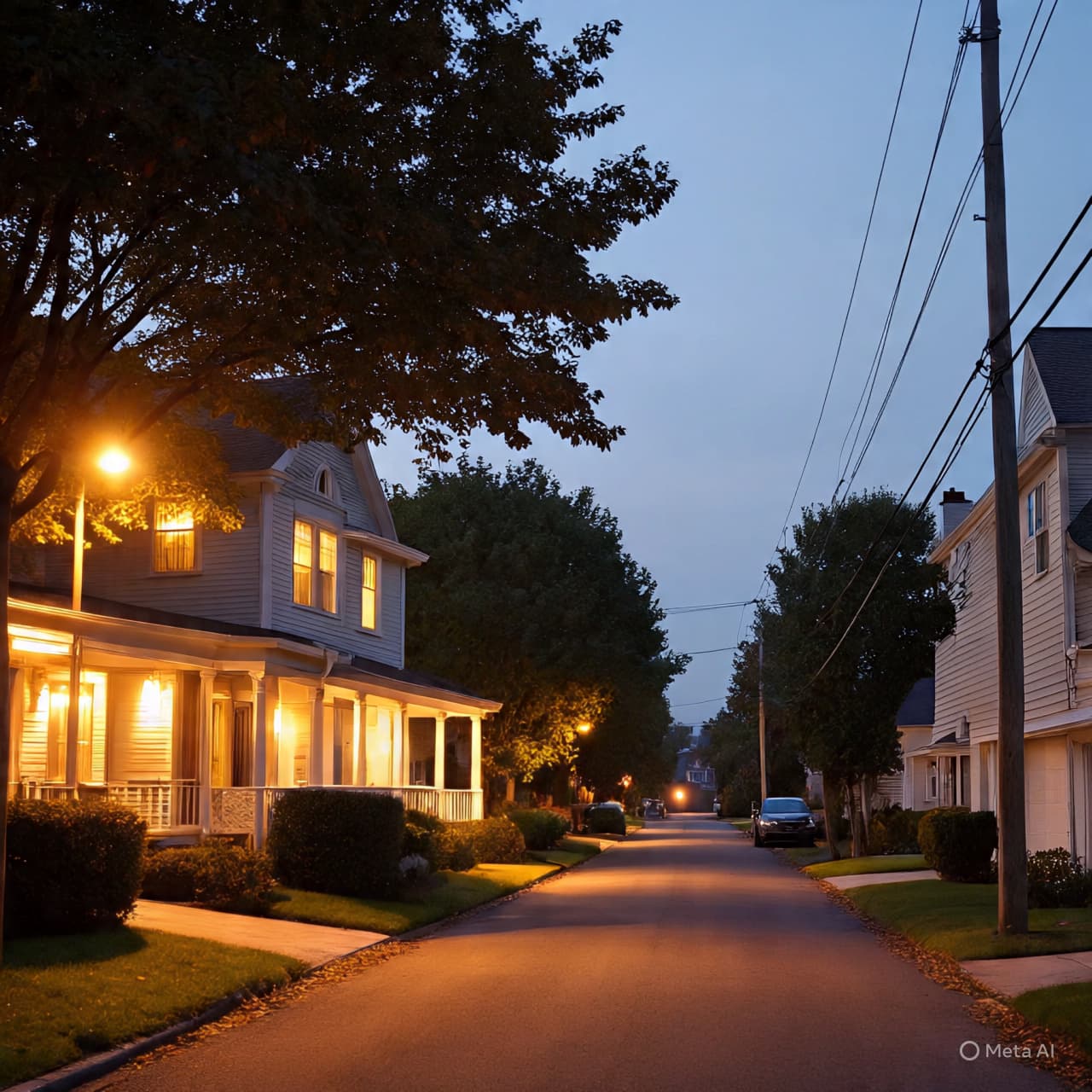
At dusk, when windows begin to glow across neighborhoods and the quiet ritual of evening settles in, electricity is rarely noticed. It hums softly behind walls, flows through wires, and sustains routines that feel almost timeless. Yet lately, that invisible current has begun to draw attention, not through outage or failure, but through the steady weight of its cost, arriving each month in envelopes and digital alerts that linger longer than expected.
Across many countries, households are finding that electricity bills no longer fade into the background of daily expenses. Instead, they sit prominently beside rent, food, and fuel, reshaping conversations at kitchen tables and in public forums alike. The reasons vary by region but follow familiar currents: volatile energy markets, the lingering effects of global supply disruptions, rising demand during extreme weather, and the long, costly transition toward cleaner power systems. What was once a technical or economic concern has drifted into public life, carried there by the simple fact that nearly everyone depends on power to live and work.
Utilities and regulators often describe these increases in measured terms, pointing to infrastructure investment, aging grids, and the price of fuels that still underpin much of the world’s electricity generation. Natural gas prices, in particular, have left an imprint on power costs in many markets, while droughts and heatwaves have strained hydroelectric and cooling systems. Renewable energy, though increasingly central to long-term plans, brings its own near-term expenses tied to storage, transmission, and grid adaptation. Each factor alone might be manageable, but together they form a quiet accumulation that shows up most clearly on monthly statements.
As bills rise, public patience has thinned. Electricity, unlike many commodities, carries a sense of necessity that resists easy compromise. Lights cannot be dimmed indefinitely, refrigerators cannot be unplugged without consequence, and cooling or heating becomes a matter of health rather than comfort in more extreme climates. This inflexibility has turned electricity pricing into a sensitive public issue, drawing attention from consumer groups and policy debates that now frame energy not just as a market product, but as a shared foundation of modern life.
In some regions, governments have responded with temporary relief measures, price caps, or subsidies aimed at easing the immediate burden on households. Elsewhere, the discussion has focused on longer-term reform, questioning how energy markets are structured and who ultimately bears the cost of transition and resilience. These conversations often unfold slowly, shaped by regulatory processes and technical constraints, while bills continue to arrive on schedule, indifferent to the pace of reform.
What makes the issue especially resonant is its quiet universality. Electricity does not belong to a single sector or social group; it runs through apartments and offices, hospitals and schools, city centers and rural homes alike. Rising costs therefore carry a diffuse but persistent pressure, one that does not erupt suddenly but accumulates over seasons, shaping behavior in small, telling ways. People delay appliance upgrades, adjust thermostats, or rethink daily routines, adapting individually to a collective shift.
As the debate continues, electricity remains what it has always been: unseen yet essential. But its price has begun to tell a story that reaches beyond economics, touching questions of fairness, resilience, and the shared systems that support everyday life. For now, the lights stay on, even as the conversation around their cost grows brighter and harder to ignore.
AI Image Disclaimer Visuals are AI-generated and serve as conceptual representations.
Sources (Media Names Only) Reuters Associated Press The New York Times Financial Times Bloomberg
Published by Banx Network. This article is part of the Banx decentralized media programme, powered by the BXE token on the XRP Ledger.