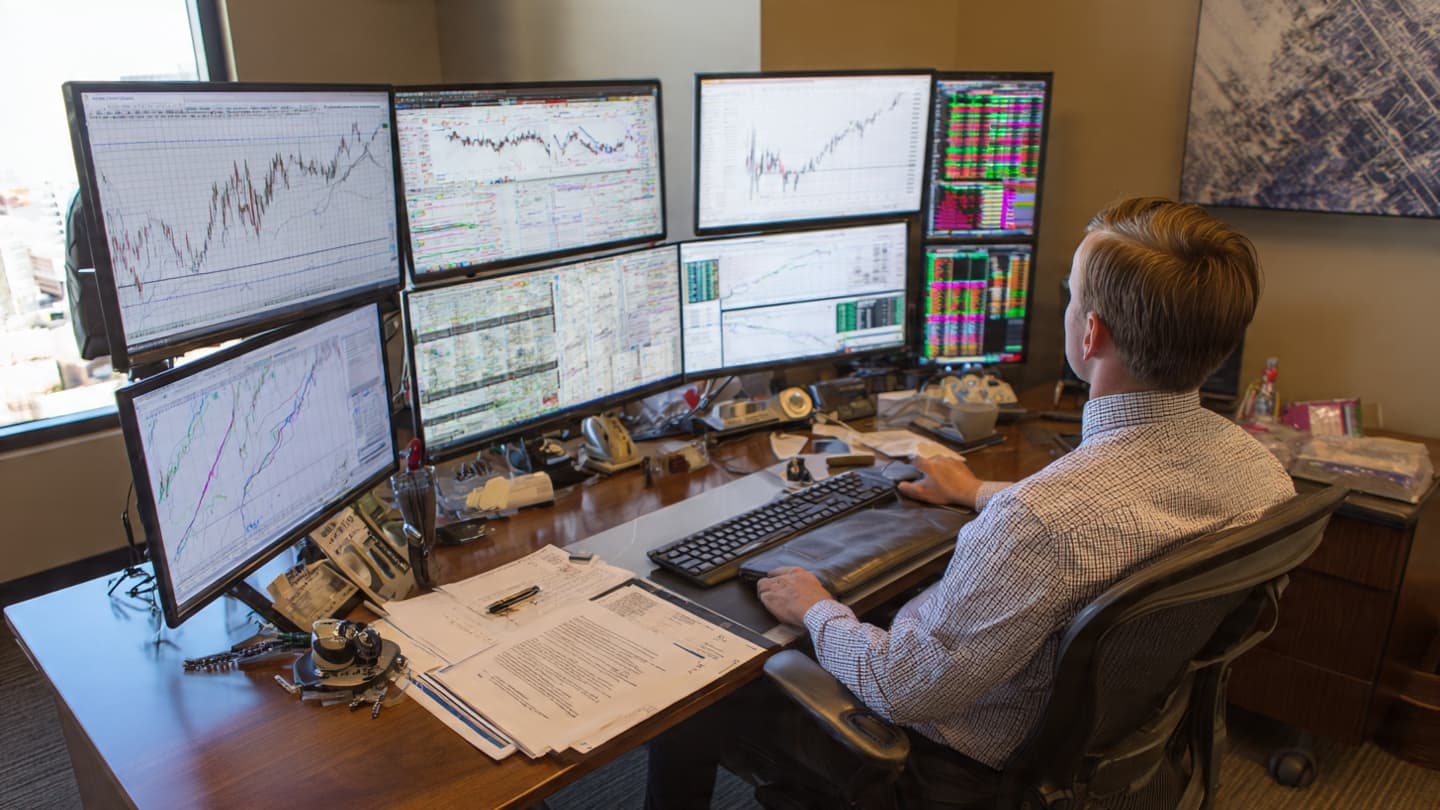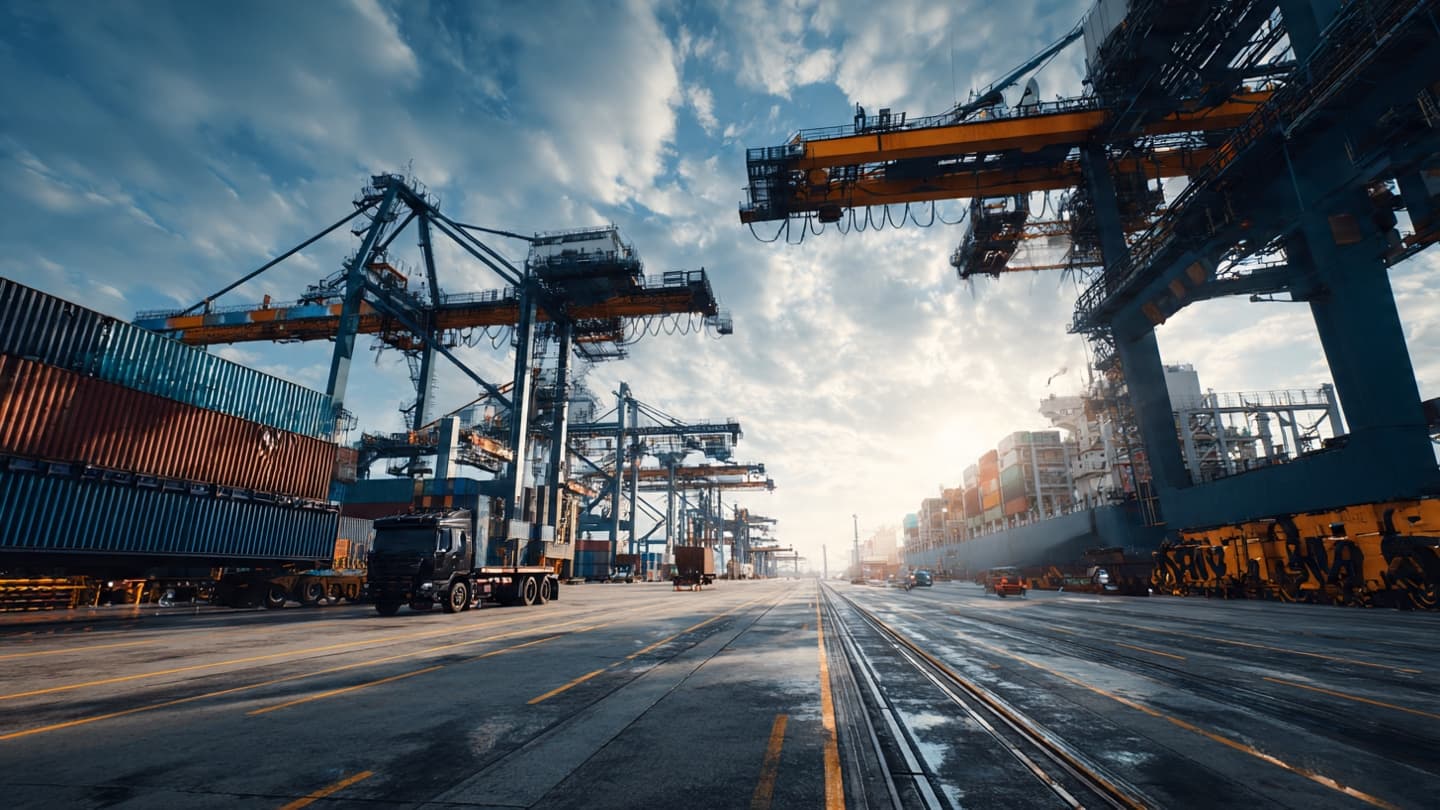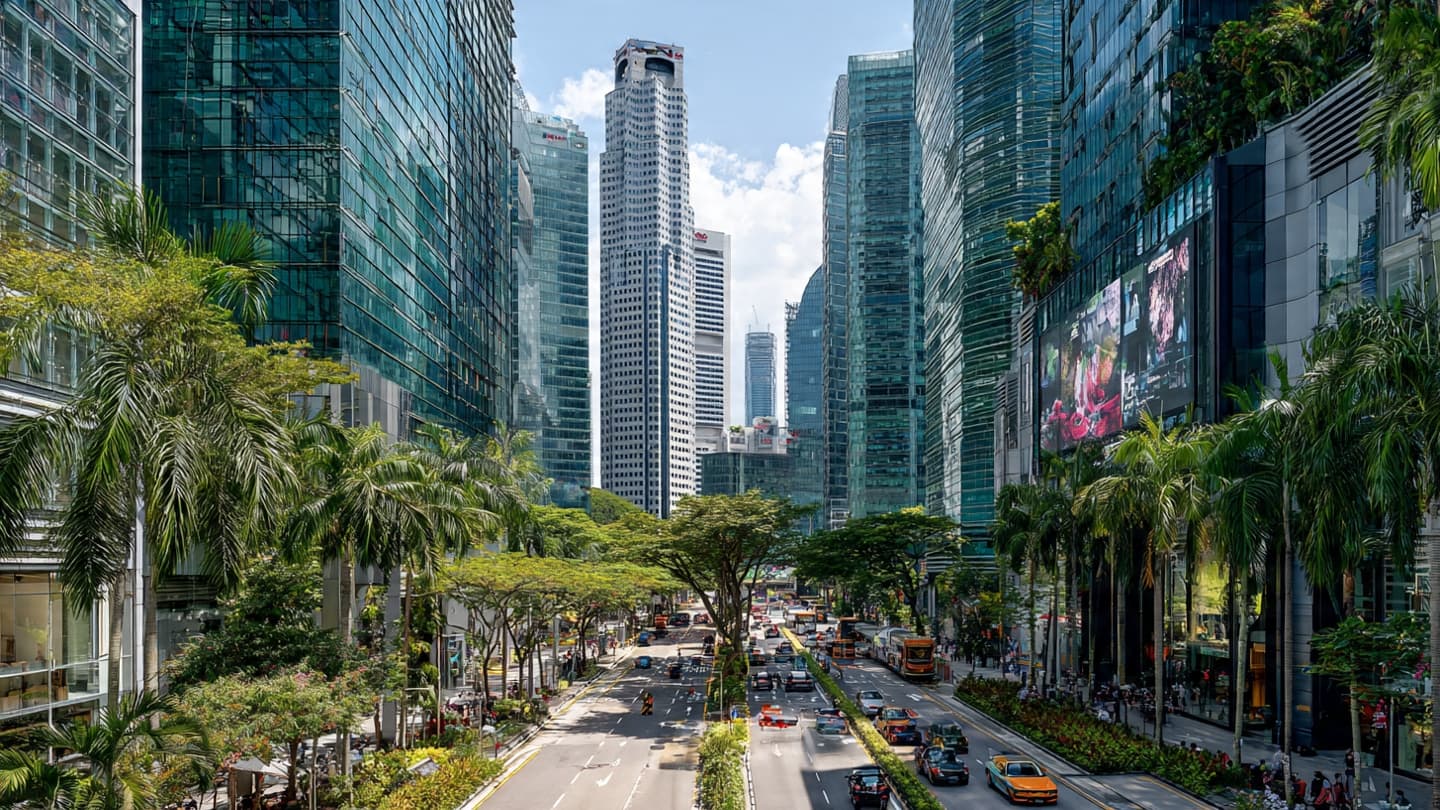
Singapore's skyline is often read as a map of commerce. Glass towers represent finance, ports connect distant markets, and technology companies occupy offices where ideas can move almost as quickly as capital.
The city-state remains one of Asia's major centers for international business, supported by financial services, logistics, advanced manufacturing, and a highly connected digital infrastructure.
Its geographic size makes regional connections especially important. Singapore cannot depend solely on domestic demand, so businesses based there often look outward toward Southeast Asia, China, India, and markets farther afield.
Finance remains one of the country's strongest pillars. International banks, asset managers, insurers, and investment firms use Singapore as a regional base, creating connections between Asian businesses and global capital.
Technology has added another dimension. Artificial intelligence, cloud computing, cybersecurity, and digital financial services are creating new demand for skilled workers and infrastructure.
The country's data-center industry has also expanded, although the sector must operate within strict limits on energy and land use. Efficient infrastructure is therefore becoming an important part of maintaining Singapore's technology ambitions.
Logistics provides another foundation. The Port of Singapore and Changi Airport connect the country to major international trade routes, supporting manufacturers, distributors, and companies that depend on fast movement of goods.
Regional businesses also benefit from Singapore's legal and financial infrastructure. Predictability can be valuable for companies deciding where to establish headquarters, regional offices, treasury functions, or investment operations.
The competitive landscape is nevertheless changing. Other Asian cities are developing their own financial and technology ecosystems, while companies increasingly have more choices about where to locate operations.
Singapore's response has been to emphasize the combination of infrastructure, connectivity, financial expertise, and technology. Rather than competing through size, the city-state continues to compete through the density and quality of its business networks.
As regional economies grow and technology changes the way companies operate, Singapore's role will continue to evolve. Its future as a business hub will depend on maintaining those connections while adapting to a commercial landscape that is becoming increasingly digital and interconnected.
AI Image Disclaimer The images were generated using AI and are conceptual visualizations of Singapore’s business environment rather than photographs of actual companies or locations.
Sources Reuters Singapore Economic Development Board Monetary Authority of Singapore
Published by Banx Network. This article is part of the Banx decentralized media programme, powered by the BXE token on the XRP Ledger.