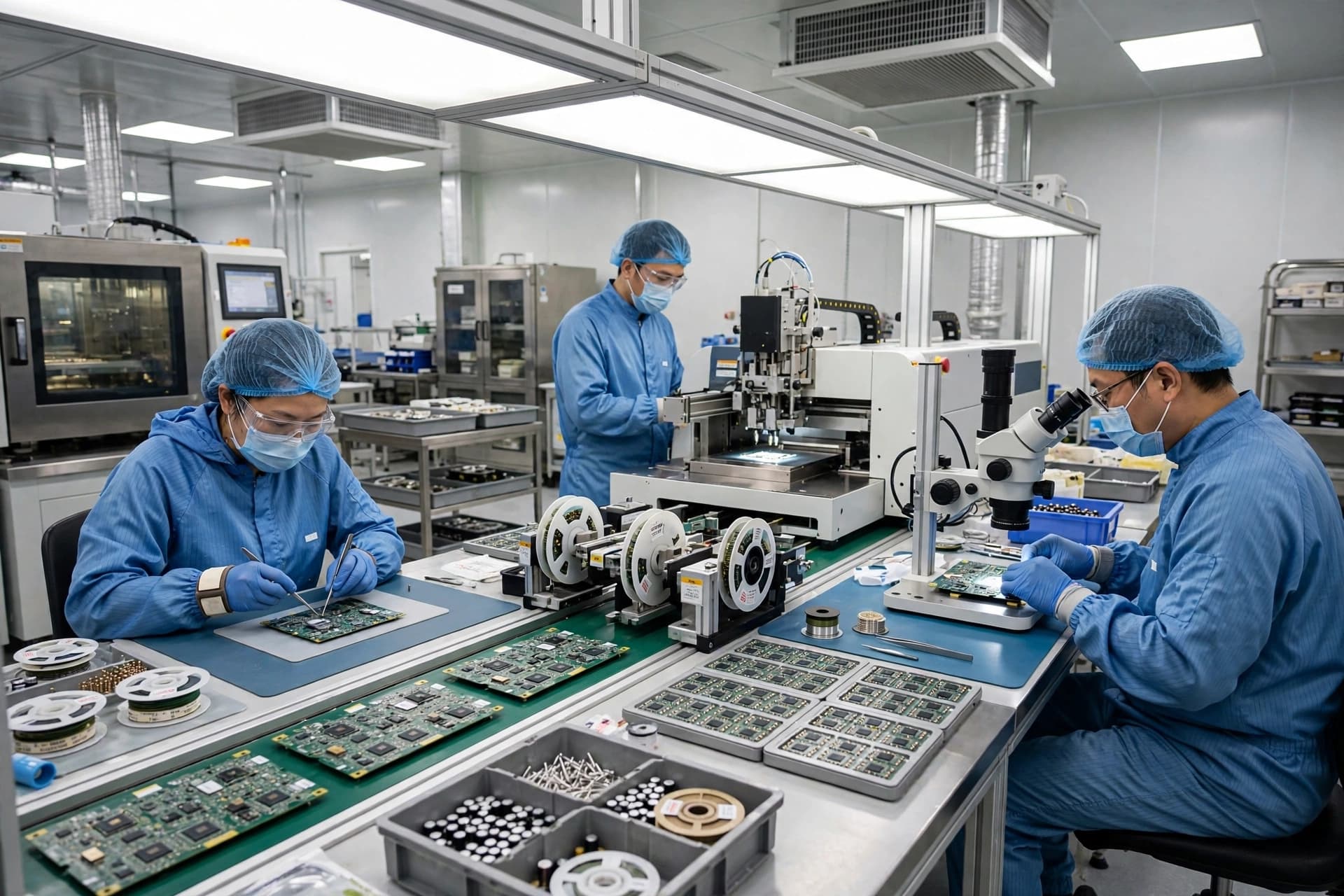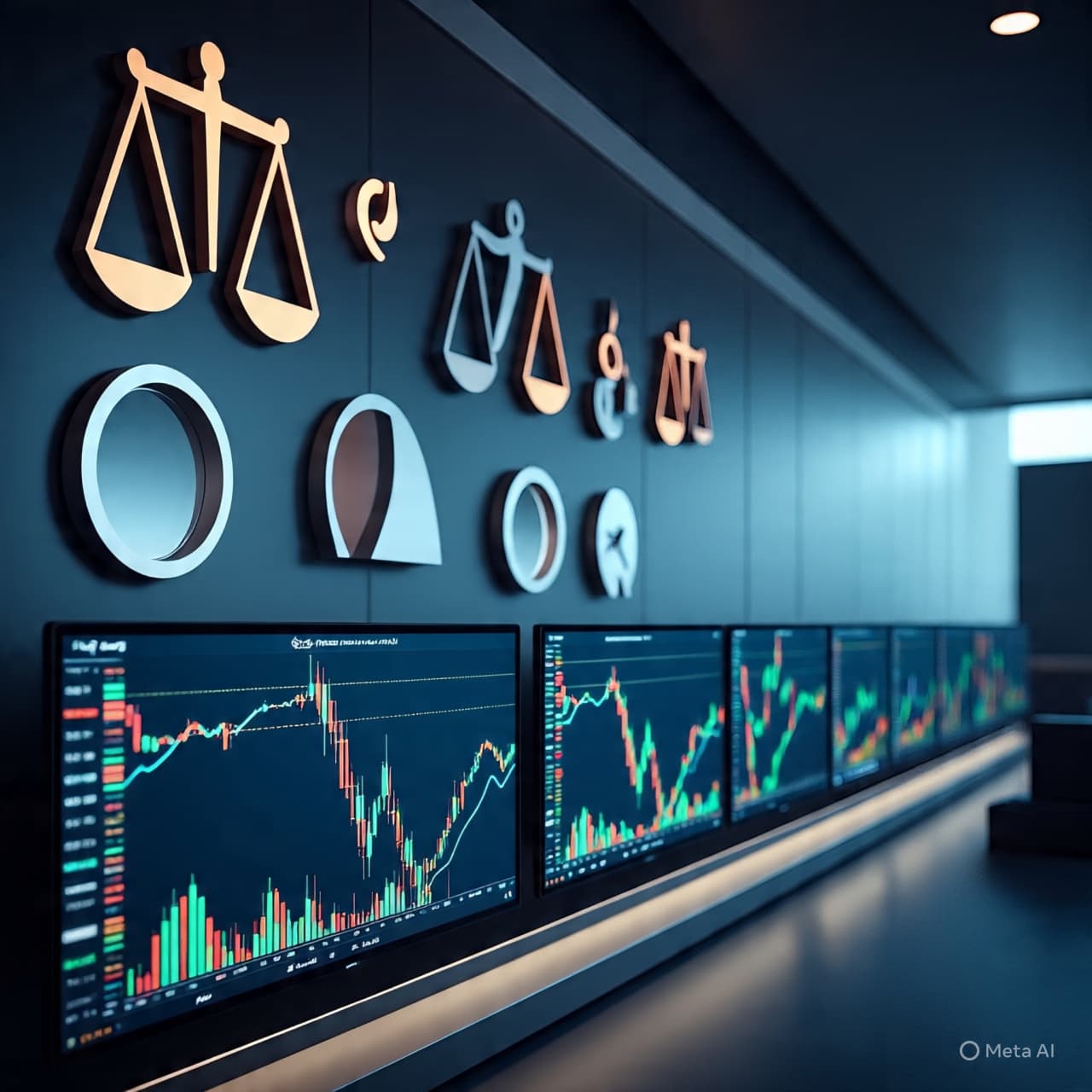
Some mornings, when dawn’s first light flickers over the city skyline, the stock market already buzzes with an energy not unlike a fevered heartbeat — brisk, insistent, hard to calm. In recent weeks, that energy has poured into China’s equity markets with a force that has both thrilled and unsettled investors and officials alike. What began as a powerful rally — a surge of enthusiasm in shares large and small — has, at times, felt more like a sprint than a steady climb. This remarkable vibrancy is now prompting regulators to whisper, and sometimes shout, about the need to temper what some view as overheating in the nation’s markets.
On the trading floors of Shanghai, Shenzhen, and Beijing, turnover — the total value of shares changing hands — has reached staggering heights, repeatedly surpassing previous records. At moments, daily turnover across China’s A‑share exchanges has pushed toward 3.7 trillion yuan and stayed above 3 trillion yuan for multiple sessions, reflective of both heightened investor engagement and fast‑moving trading activity.
For many retail investors, the allure of gains is alluring, like the shimmer of sunlight on water — bright, energizing, and hard to resist. But for regulators at the China Securities Regulatory Commission (CSRC), it also raises age‑old concerns about speculation, leverage, and risk. An overheated market is not just buoyant — it can be brittle.
In response, authorities have introduced several measures that echo both caution and restraint. One of the more notable steps has been the tightening of margin trading requirements — the rules that determine how much investors must put up themselves before borrowing to buy on credit. Raising the minimum margin ratio means investors must rely more on their own capital, leaving less room for borrowed funds to push markets to extremes.
Even beyond margin rules, steps are being taken to curb certain rapid‑fire trading arrangements. Regulators have instructed brokers to remove client‑dedicated servers from exchange data centers, limiting high‑frequency traders’ ability to access market data in microseconds and potentially reducing flash activity that can amplify short‑term swings.
Across Asia, investors are watching these developments closely. The dramatic pace of trading — like water flowing too swiftly through a riverbed — can energize markets in the short term yet erode confidence if it spins too far from fundamentals. Regional markets have been quick to pivot their focus toward China’s story, recognizing both the ambition and uncertainty in such a powerful rally.
At its heart, this moment reflects a delicate balance. Strong trading activity can signal confidence — participation, liquidity, and belief in future growth. Yet when enthusiasm outpaces measured analysis, markets can become vulnerable to abrupt reversals. China’s regulators, mindful of past boom‑and‑bust cycles, seem determined not to let today’s fervor harden into tomorrow’s instability.
For ordinary investors and global watchers alike, the message from Beijing has been clear: vibrancy is welcome, but not at the expense of prudence. In a financial system where ordinary citizens and institutional giants coexist, guiding a path that avoids dangerous extremes requires both subtlety and seriousness — an understanding that markets are, like human hearts, strongest when their rhythms remain steady rather than sprinting toward unknown finish lines.
AI Image Disclaimer Visuals are created with AI tools and are not real photographs, meant for concept only.
Sources Bloomberg / major global finance outlet Bloomberg newsletter coverage China Daily / state news reporting Mettis Global news Reuters coverage
Published by Banx Network. This article is part of the Banx decentralized media programme, powered by the BXE token on the XRP Ledger.