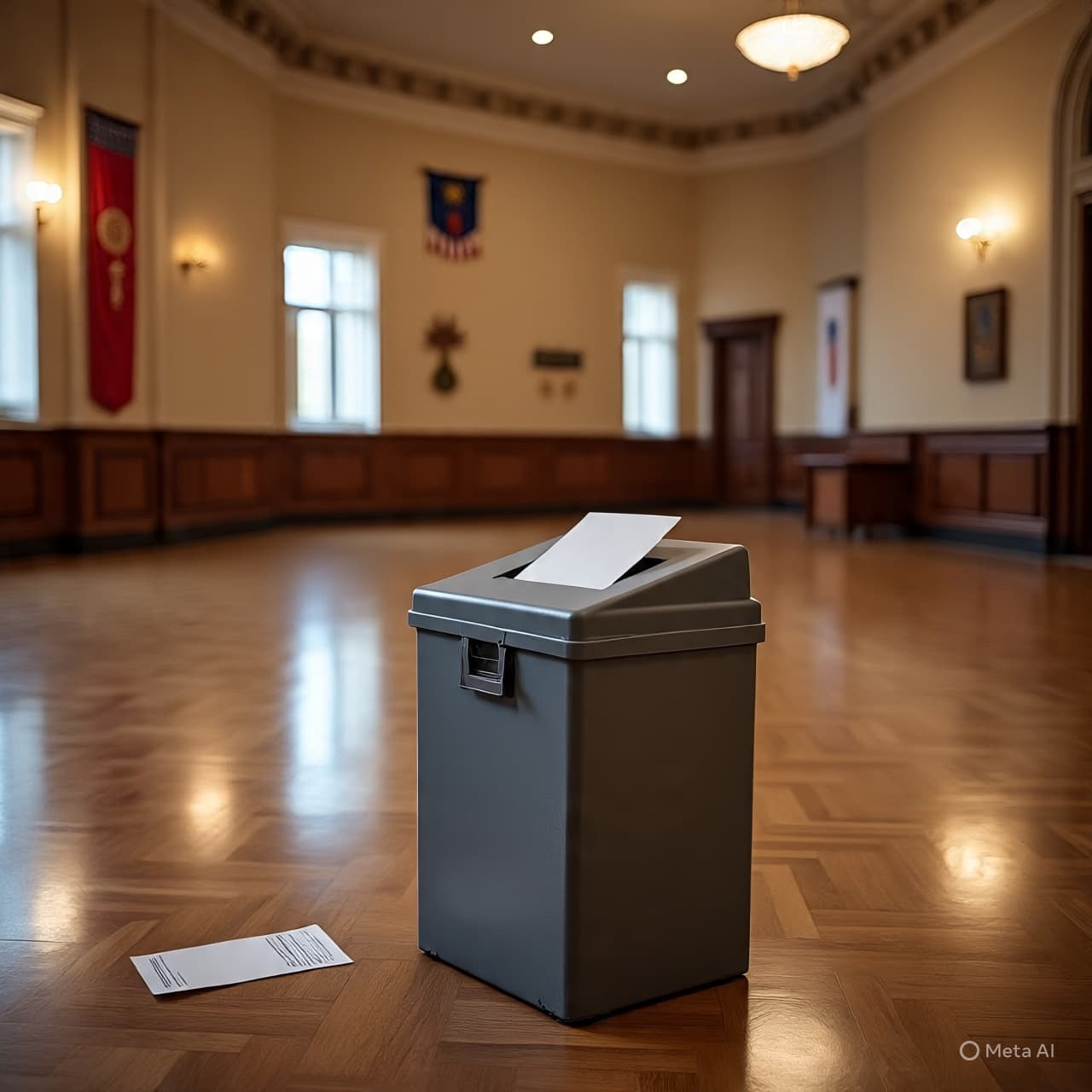
For the second time in a single year, voters in Kosovo returned to polling stations with a familiar mixture of resolve and exhaustion. The repeat election, triggered by political deadlock and an inability to form a stable government, unfolded less as a moment of renewal than as a test of endurance—for institutions, voters, and the fragile trust between them.
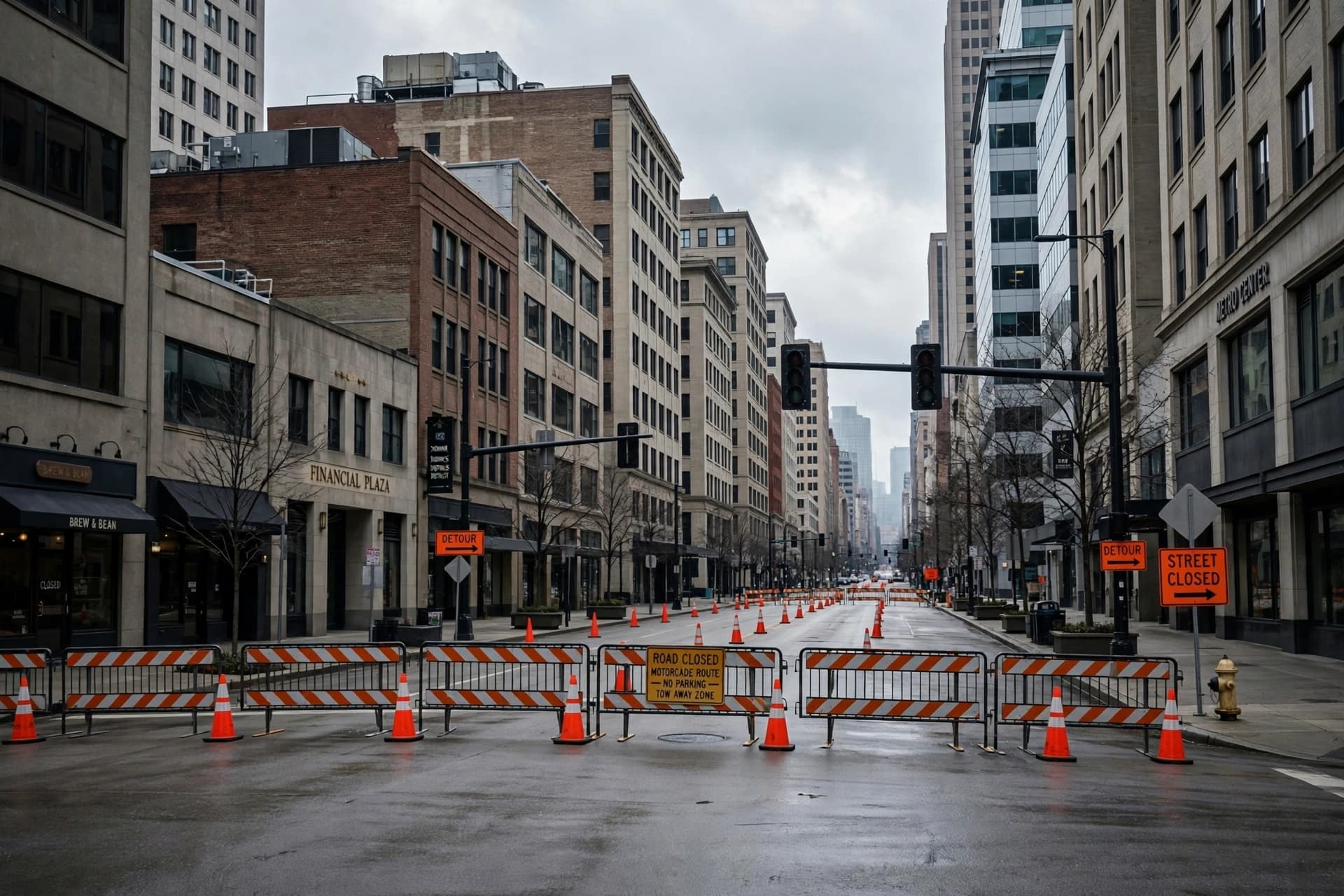
The streets were quieter than during previous contests, reflecting a public weariness shaped by months of uncertainty. Yet beneath that fatigue lay a persistent belief in the ballot as the only viable path forward. Kosovo’s young democracy, still navigating the legacy of conflict and the pressures of state-building, has learned to endure political turbulence as a recurring condition rather than an exception.
This vote carried the weight of unfinished business. The previous election produced no clear governing majority, plunging the country into prolonged negotiations and stalled policymaking. Economic reforms slowed, international engagement cooled, and public confidence thinned. The new vote was therefore framed not as a choice between visions, but as an urgent attempt to restore functionality to a system stuck in suspension.
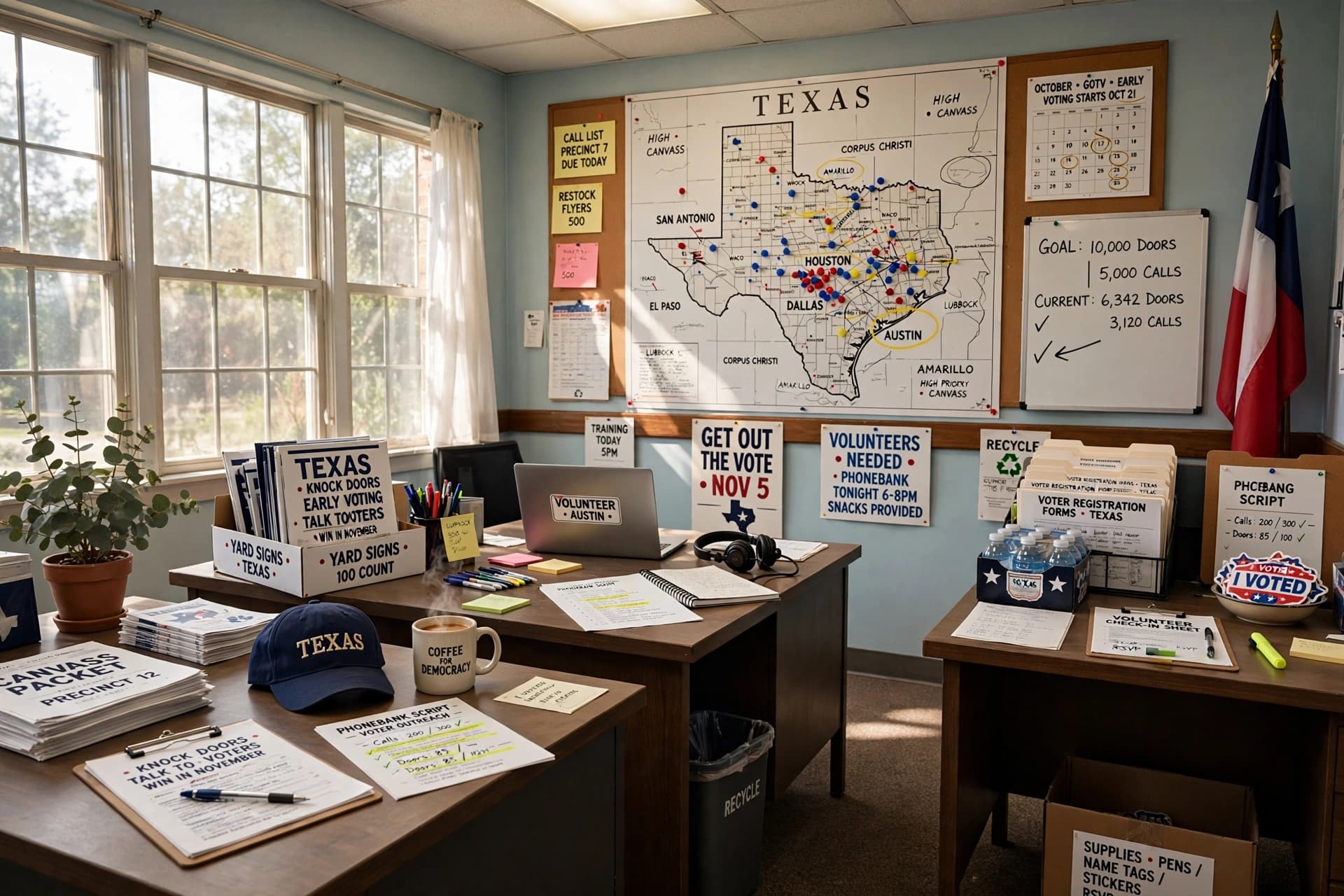
Political parties campaigned on familiar promises—stability, reform, European integration—but with a noticeable shift in tone. Where earlier campaigns leaned on optimism, this one carried an undertone of necessity. Leaders spoke less of transformation and more of responsibility, aware that public patience has limits and that repeated elections risk eroding faith in democratic processes themselves.
Beyond its borders, the election drew quiet attention from regional and European observers. Kosovo’s internal cohesion remains closely watched, not only for its own future but for what it signals about democratic resilience in the Western Balkans. A prolonged vacuum would carry consequences beyond governance, affecting economic confidence and regional diplomacy alike.
As polls closed and counting began, the central question remained unresolved: would this vote finally produce a durable government, or simply extend a cycle of political stalemate? For many Kosovars, the answer mattered less in partisan terms than in practical ones. Stability, even imperfect, now outweighs ideology.
In casting their ballots once more, citizens did not just vote for parties or leaders. They voted for the hope that this time, the system would hold.
Published by Banx Network. This article is part of the Banx decentralized media programme, powered by the BXE token on the XRP Ledger.