Inside a greenhouse, the weather can become something that is measured rather than simply endured. Temperature, humidity and plant nutrition can be watched from one moment to the next, allowing cultivation to take place within an environment shaped by information.
Indonesia's National Research and Innovation Agency, or BRIN, has developed an internet-based smart greenhouse in collaboration with South Korea's Korea Institute of Science and Technology. The prototype operates at the Soekarno Science and Technology Area in Cibinong, Bogor.
The system uses Internet of Things technology to monitor and automatically regulate conditions including temperature, humidity and plant nutrition. The approach is designed to make agricultural management more measurable and reduce unnecessary resource use.
Agriculture has always depended on close observation. Farmers read clouds, soil conditions, plant growth and seasonal changes. Smart agricultural systems add another layer by allowing sensors and automated equipment to continuously collect and respond to environmental data.
The Cibinong prototype reflects that movement toward precision agriculture. Instead of relying entirely on manual intervention, automated systems can adjust certain growing conditions based on measurements gathered inside the greenhouse.
The technology is particularly relevant in controlled environments, where temperature and humidity can directly affect plant development. Maintaining suitable conditions can help researchers study how plants respond to different environments while reducing dependence on unpredictable outdoor conditions.
Water and nutrients are also important. A system capable of monitoring plant requirements can potentially deliver resources more precisely than conventional methods, helping reduce waste while maintaining suitable growing conditions.
For researchers, smart greenhouses can serve as experimental environments as well. Data collected from sensors can provide information about plant growth, environmental changes and the effectiveness of different cultivation strategies.
The collaboration with KIST also demonstrates the role of international research partnerships in developing agricultural technology. Indonesia can combine local agricultural needs with technological expertise from research institutions in other countries.
Smart agriculture does not necessarily mean replacing farmers with machines. In many applications, technology functions as an additional set of tools, allowing people to make decisions with more detailed and continuous information.
The potential applications extend beyond research facilities. Similar concepts can eventually be adapted for commercial agriculture, urban farming and environments where climate conditions make traditional cultivation more difficult.
The challenge is making such systems practical and accessible. Sensors, automated equipment, connectivity and technical expertise all carry costs, and agricultural technology must ultimately demonstrate that its benefits justify those investments.
For now, the Cibinong greenhouse offers a glimpse of agriculture becoming increasingly connected to digital systems. Beneath its transparent structure, plants grow alongside sensors and networks, creating a small but tangible example of how Indonesia is experimenting with a more measured agricultural future.
Image Disclaimer
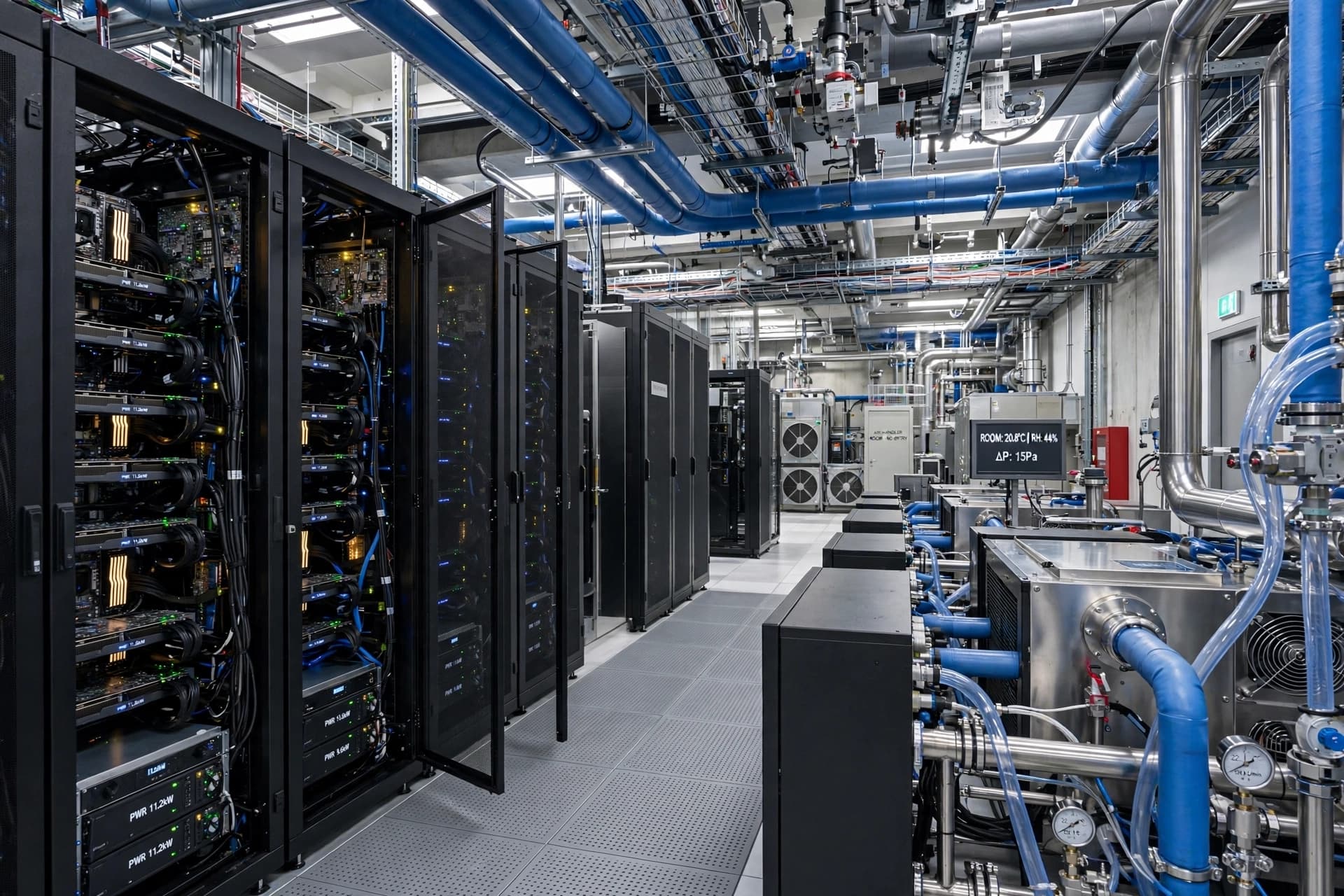
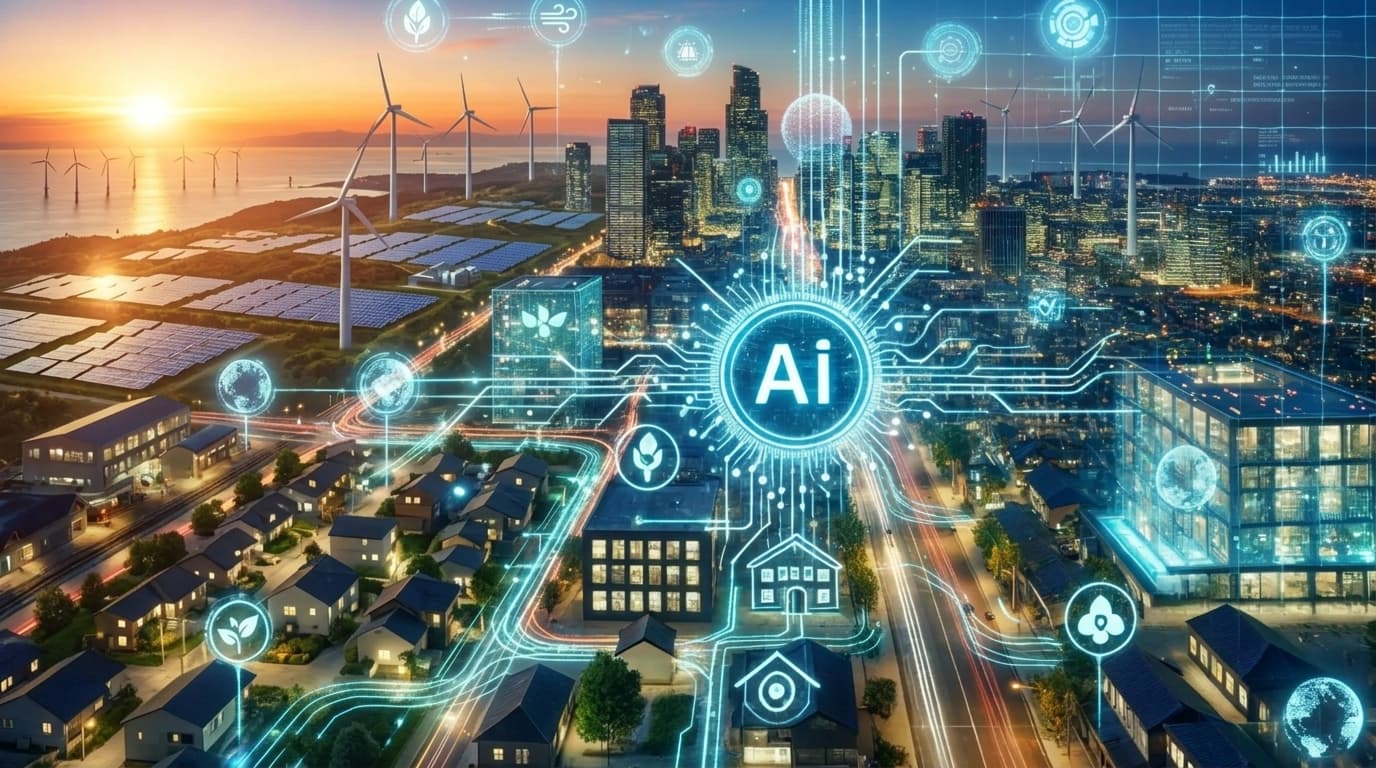
The illustrations were created with AI tools as conceptual representations of smart agriculture and do not depict the actual BRIN-KIST facility.
Sources
ANTARA BRIN Korea Institute of Science and Technology Ministry of Agriculture of Indonesia The Jakarta Post
Published by Banx Network. This article is part of the Banx decentralized media programme, powered by the BXE token on the XRP Ledger.