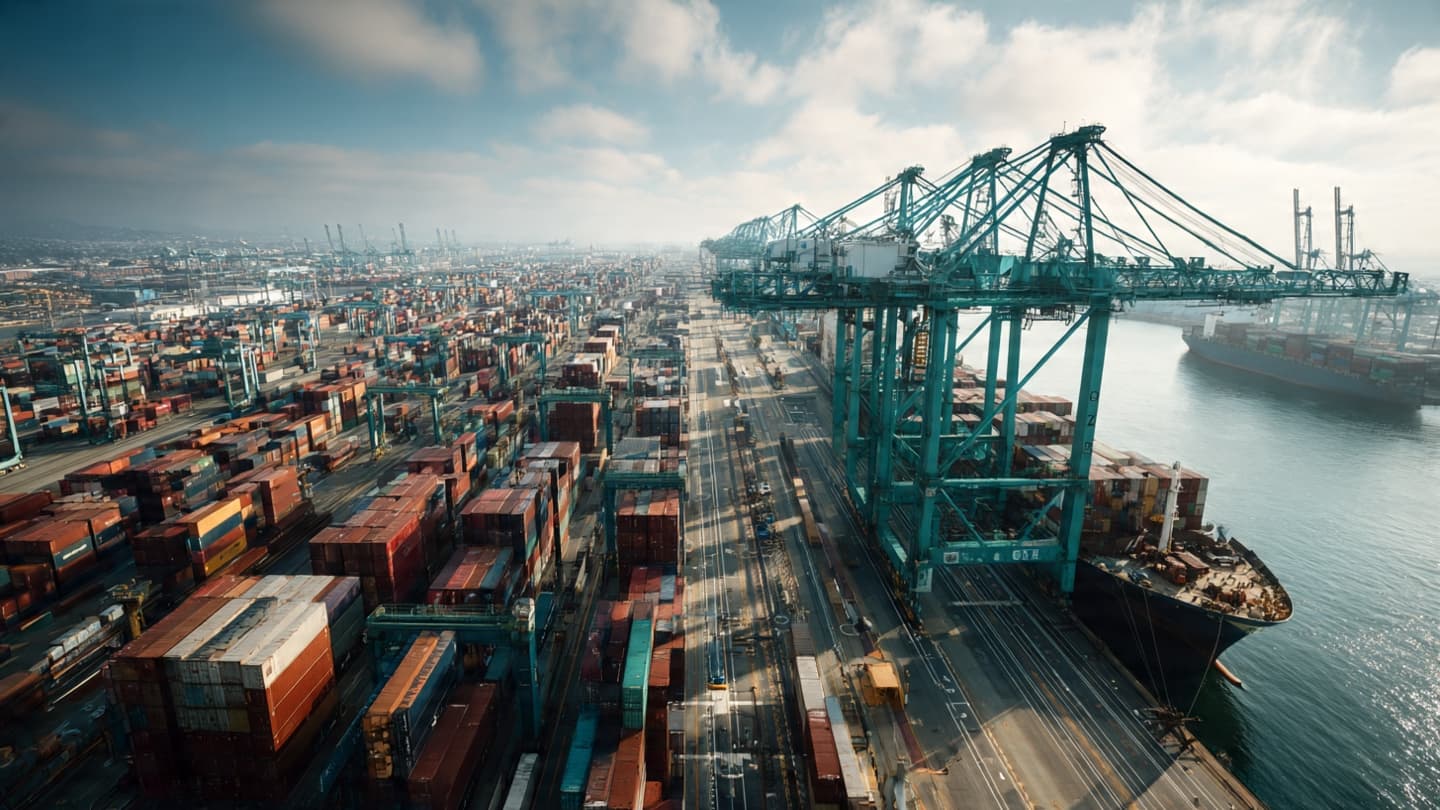
At a Japanese port, the movement of global commerce is measured in containers, cranes and departing ships. In July, that movement reached an unusual intensity. Goods leaving Japan reached a record value, propelled by demand for technology-related products even as the cost of bringing energy into the country also climbed.
Japan's exports rose 23.2% year over year in July, reaching a monthly record, while imports increased 27.8% to another record, according to government data reported by Reuters.
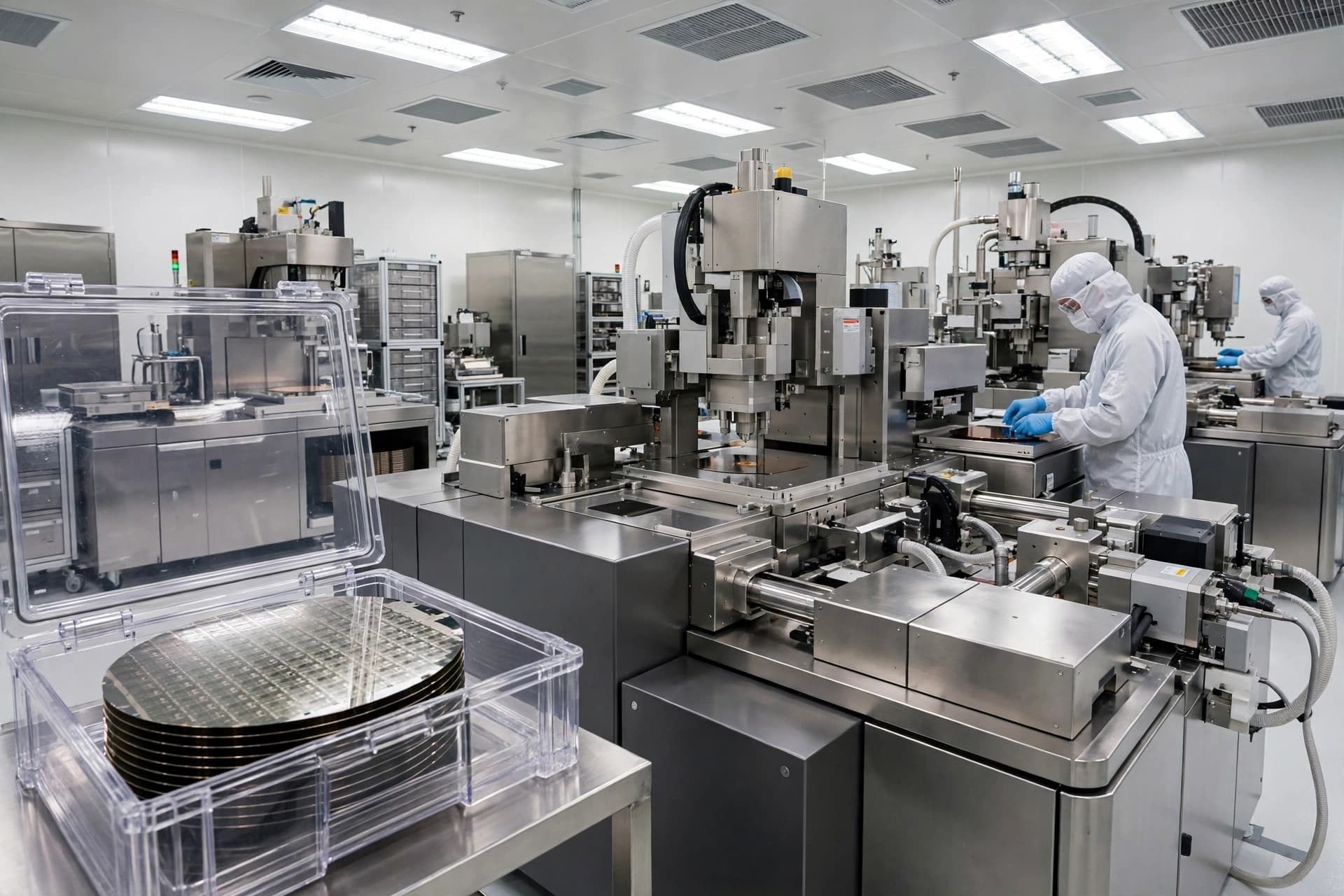
Semiconductor-related demand was a major source of export strength. The global expansion of artificial intelligence and data centers has increased demand for computing equipment and the specialized machinery and components needed to produce it.
Japan occupies an important position in those supply chains. Its companies manufacture advanced equipment, materials and components used by semiconductor producers around the world. As chipmakers expand capacity, Japanese suppliers can benefit even when the final electronic products are assembled elsewhere.
Exports to the United States increased 22% from a year earlier, while shipments to China rose 25.8%. The figures show how Japanese industry remains deeply connected to the world's two largest national economies and their technology markets.
The weaker yen also provided support for exporters. A lower currency value can make Japanese products more competitive overseas, although it simultaneously increases the domestic cost of imported commodities. That contrast is especially important for a country that relies heavily on imported energy.
Oil became the other side of July's trade story. Higher crude prices pushed Japan's energy bill upward, contributing to the record value of imports. The country also increased purchases from alternative suppliers as global energy markets continued to adjust.
The result was a trade deficit of roughly 634.5 billion yen for the month. Record exports therefore did not translate into a trade surplus, because the value of imported goods—particularly energy—rose even faster.
For Japanese manufacturers, the environment remains a mixture of opportunity and cost. Strong semiconductor demand can support production and investment, while expensive energy and imported materials can put pressure on margins.
The figures also reflect a broader transformation in global manufacturing. Artificial intelligence is creating new demand for chips and computing infrastructure, and that demand travels through an international network of factories, ports and specialized suppliers. Japan's record export month offers a glimpse of how that technological investment is reaching traditional industrial economies.
For now, the country's trade routes remain busy. Ships leave Japanese ports carrying increasingly valuable technology-related goods while other vessels bring in the energy required to keep the industrial system running. July's numbers capture both movements at once, revealing an economy benefiting from the AI-driven manufacturing cycle while still exposed to the cost of the resources it imports.
SEO-friendly Slug japan-record-exports-semiconductor-demand-oil-imports-july-2026
Hashtags #Japan #Exports #Semiconductors #AI #Business #Manufacturing #GlobalTrade
Image Disclaimer The accompanying illustrations were created with AI as conceptual representations of Japan's trade and manufacturing activity.
Sources Reuters Japan Ministry of Finance
Published by Banx Network. This article is part of the Banx decentralized media programme, powered by the BXE token on the XRP Ledger.