The global economy moves through invisible roads that cross oceans, deserts, and industrial corridors. Beneath the movement of ships and the rhythm of factories, there is a delicate balance connecting energy producers, manufacturers, and consumers across continents.
For decades, major energy routes in the Middle East have represented some of the most important arteries of global commerce. The movement of oil, natural gas, and other resources through these passages influences not only energy markets but also the broader landscape of international trade.
When uncertainty surrounds these routes, businesses often respond before any immediate disruption appears. Companies begin reviewing inventories, adjusting transportation strategies, and examining alternative pathways to protect their operations from unexpected changes.
Energy markets are especially sensitive because fuel prices affect nearly every layer of economic activity. Transportation costs, manufacturing expenses, and consumer prices can all experience pressure when energy supply chains face additional risks.
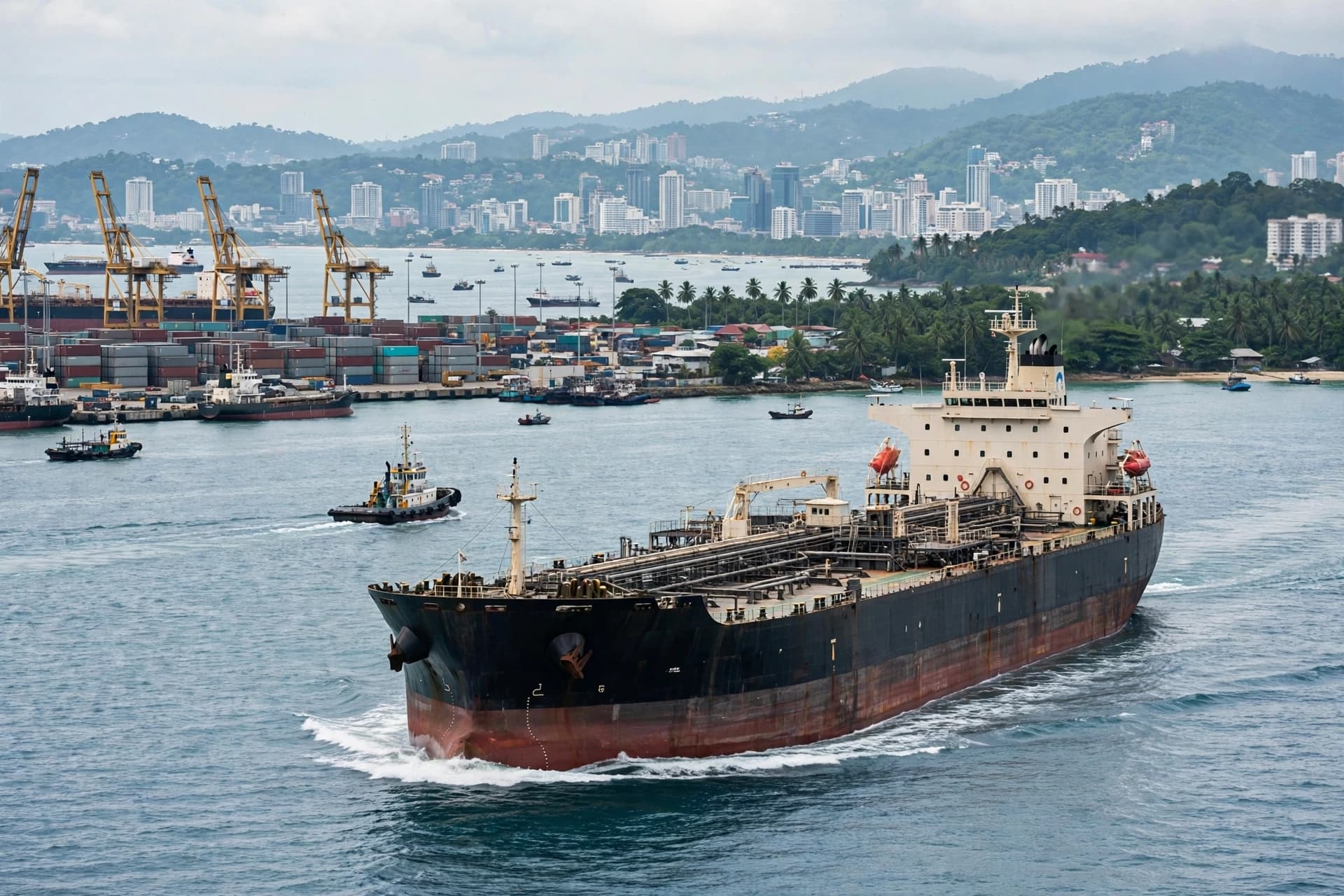
The shipping industry has learned that geography can become a defining factor in modern commerce. Narrow maritime passages and important trade corridors remain essential links between resource-rich regions and major consumer markets.
For logistics companies, uncertainty often creates a complicated environment. Longer routes, higher insurance costs, and additional planning requirements can influence delivery schedules and operational expenses, even when global trade continues moving.
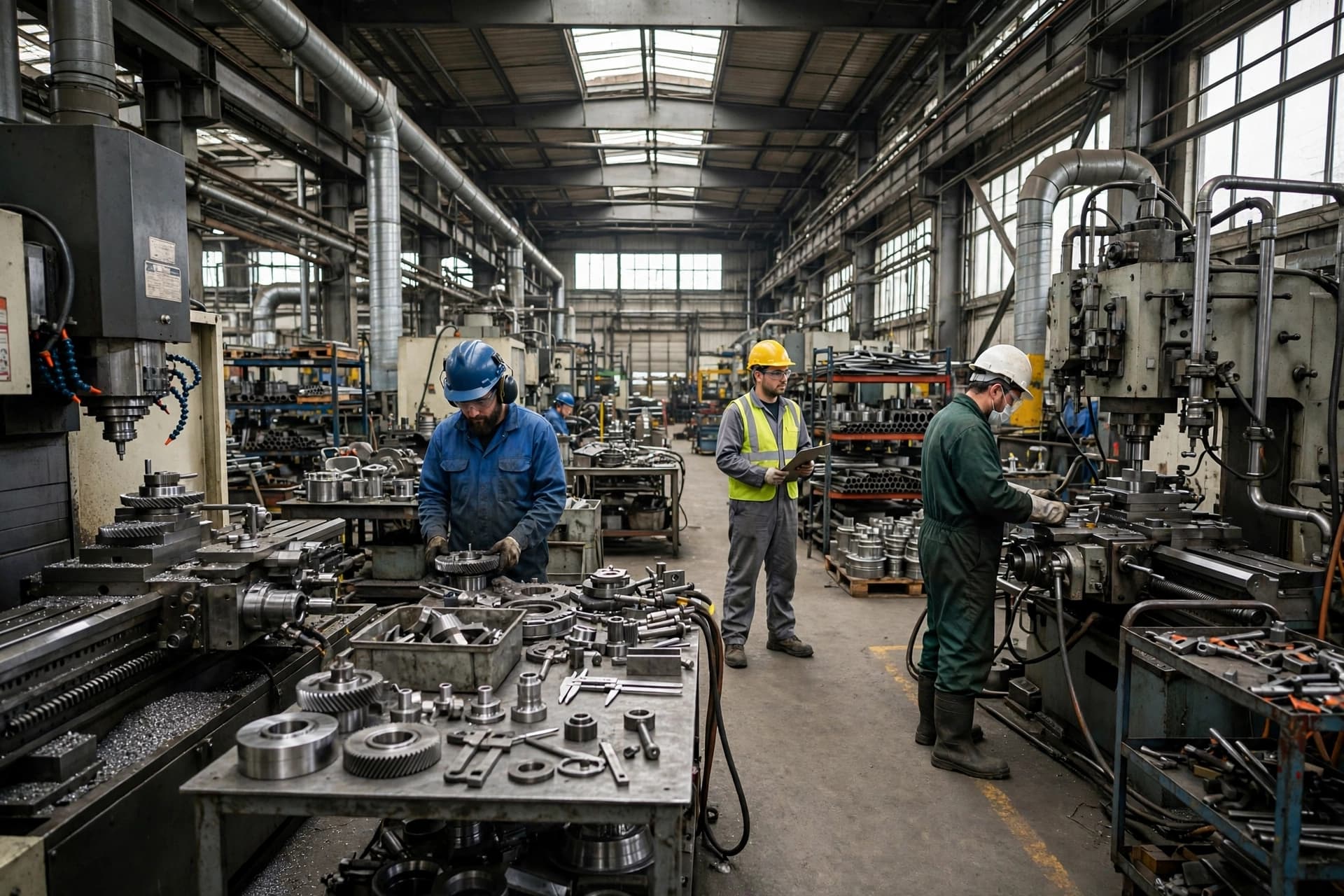
Businesses increasingly focus on resilience rather than simply efficiency. Over recent years, many companies have explored diversified suppliers, alternative transportation routes, and stronger inventory management systems to prepare for periods of instability.
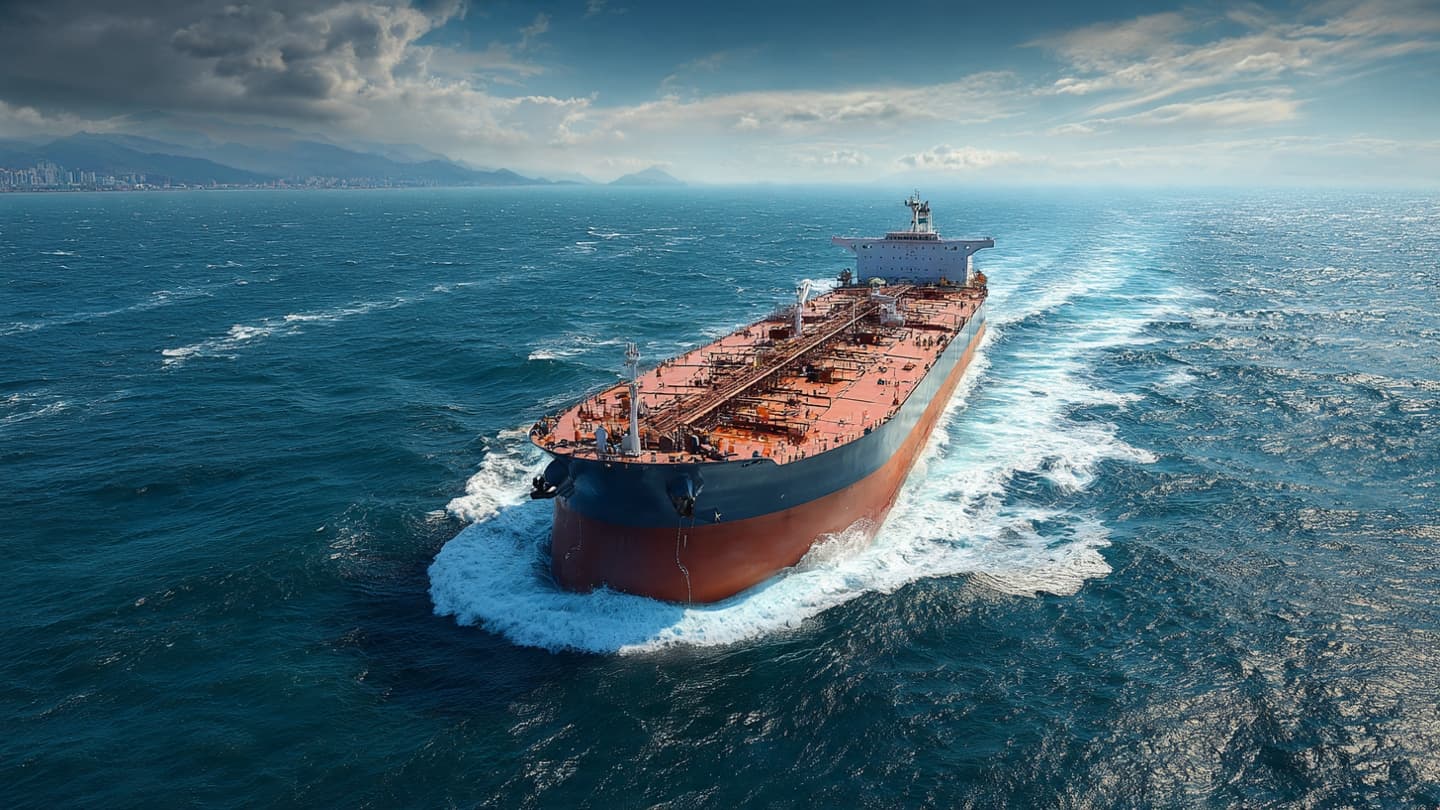
The energy sector also continues adapting to changing circumstances. Companies involved in oil transportation have invested in fleet management and strategic planning as global energy flows become more complex. Recent moves by major energy firms to adjust shipping strategies highlight the importance of flexibility in uncertain markets.
In the coming years, the relationship between energy security and global commerce will remain closely connected. The movement of resources across oceans is not merely a business activity; it represents a network of relationships that supports everyday life around the world.
As markets continue watching developments in major energy corridors, companies and investors remain focused on maintaining stability. The story of global supply chains is ultimately a story of adaptation, where each challenge encourages new strategies and new approaches.
AI Image Disclaimer Illustrations were created using AI tools and are conceptual representations, not real photographs.
Sources Reuters International Energy Agency (IEA) Bloomberg Financial Times CNBC
Published by Banx Network. This article is part of the Banx decentralized media programme, powered by the BXE token on the XRP Ledger.