
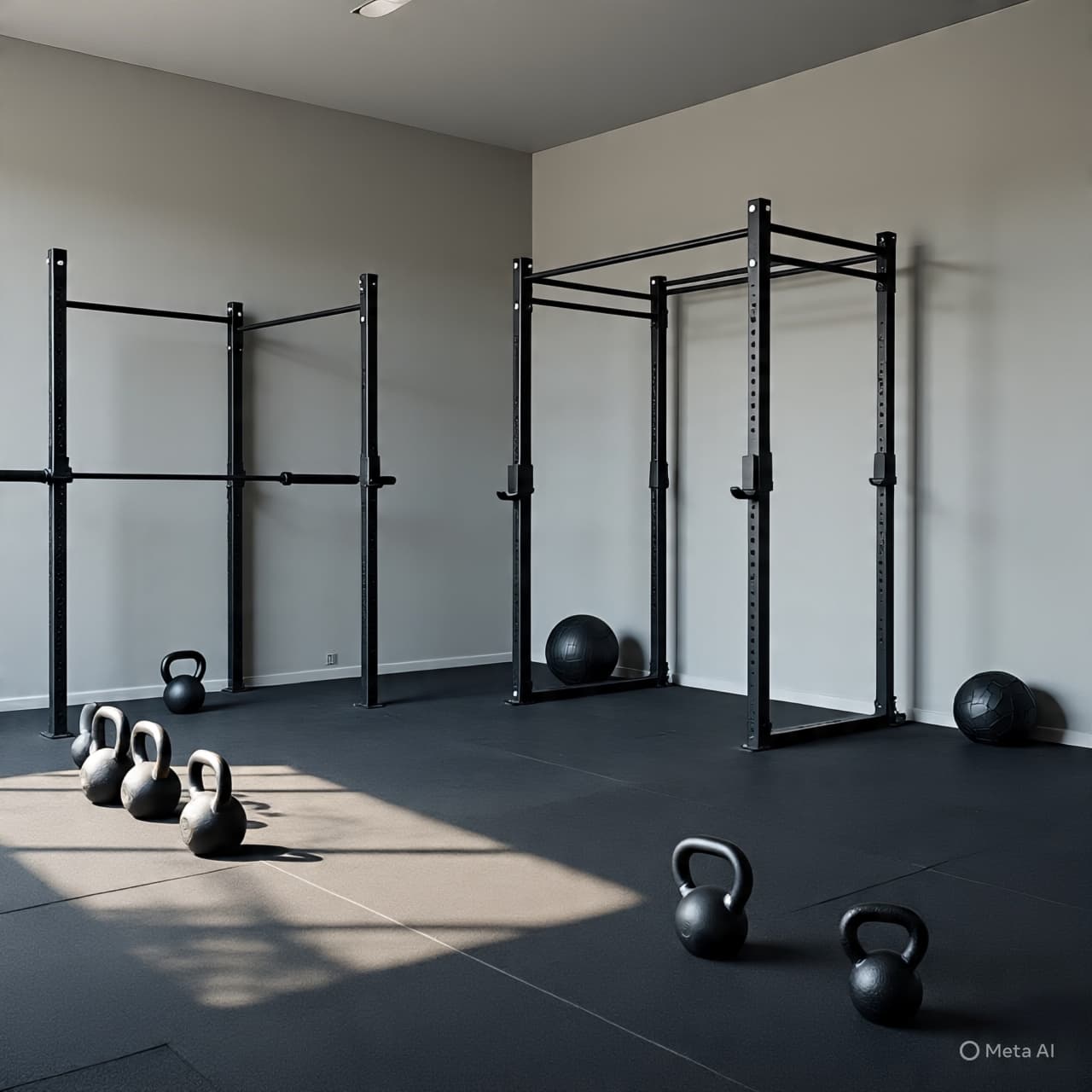
Morning arrives differently in the fifties. The light still comes through the window, but the body receives it with more awareness. Joints announce themselves before movement, muscles remember yesterday longer than they once did. Strength, here, is no longer something shouted across a gym floor. It is quieter, steadier, measured less by spectacle and more by continuity.
For men in their fifties, fitness benchmarks are not about chasing youth but about preserving capacity. The body, after decades of work, adaptation, and strain, begins to negotiate differently with effort. Muscle mass declines gradually, reaction times soften, recovery stretches. Yet strength does not disappear; it changes form. What matters is not how much can be lifted once, but what can be carried repeatedly through daily life without cost.
In practical terms, a healthy man in his fifties should still possess meaningful functional strength. Lower-body power remains central. The ability to squat one’s own body weight—whether with a barbell or through controlled bodyweight movements—signals legs capable of supporting joints, balance, and bone density. Deadlifting roughly one to one-and-a-half times body weight, with sound technique, reflects a back and posterior chain resilient enough for lifting groceries, moving furniture, or absorbing unexpected strain.
Upper-body strength, too, shifts from display to utility. Bench pressing close to body weight or performing 15 to 25 controlled push-ups suggests shoulders and arms that remain cooperative rather than fragile. Pulling strength—often neglected—becomes increasingly important. Five to ten strict pull-ups, or their equivalent in assisted or rowing movements, indicate a back that can stabilize posture and counter the slow drift toward forward-leaning imbalance.
But strength alone is incomplete without movement. Cardiovascular fitness, often underestimated, acts as the quiet engine beneath everything else. Being able to walk briskly for 30 to 45 minutes without undue fatigue, or jog lightly for a mile if joints allow, reflects a heart and lung system still fluent in effort. VO₂ max inevitably declines with age, but consistency slows the descent.
Balance and mobility, subtle yet revealing, become decisive markers. Standing on one leg for 30 seconds without wavering, rising from the floor without assistance, rotating shoulders freely enough to reach overhead—these movements do not earn applause, yet they forecast independence. They predict whether strength remains usable or locked away behind stiffness and caution.
Body composition also tells its story quietly. Waist circumference, rather than scale weight, becomes a clearer signal of metabolic health. Maintaining muscle while limiting excess abdominal fat protects not only appearance but insulin sensitivity, joint stress, and long-term vitality. Nutrition and resistance training work together here, less dramatically than before, but with greater consequence.
Perhaps the most overlooked benchmark is recovery itself. In the fifties, progress is measured by how well the body returns to baseline. Soreness that resolves within a day or two, energy that rebounds after effort, sleep that deepens rather than fragments—these are signs of training that aligns with age rather than resists it.
The mistake many make is assuming decline is inevitable and surrendering early. The opposite error is clinging to younger standards and courting injury. The middle path is quieter and more sustainable. Strength becomes a form of stewardship, fitness a long conversation with time rather than a contest against it.
In this decade, benchmarks are not promises of immortality. They are agreements with the future. Each squat, each walk, each controlled breath extends the body’s usefulness a little further down the road. And that, in the end, may be the most meaningful measure of fitness there is.
AI Image Disclaimer Illustrations are AI-generated and intended as conceptual representations, not real photographs.
Sources American College of Sports Medicine National Institute on Aging Mayo Clinic Harvard Health Publishing British Journal of Sports Medicine
Published by Banx Network. This article is part of the Banx decentralized media programme, powered by the BXE token on the XRP Ledger.



.jpg&w=3840&q=75 "The Artemis Revolution: How NASA Plans to Build Humanity's Future on the Moon")