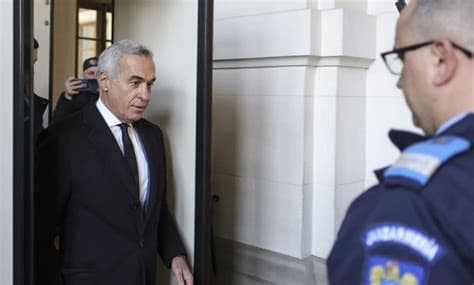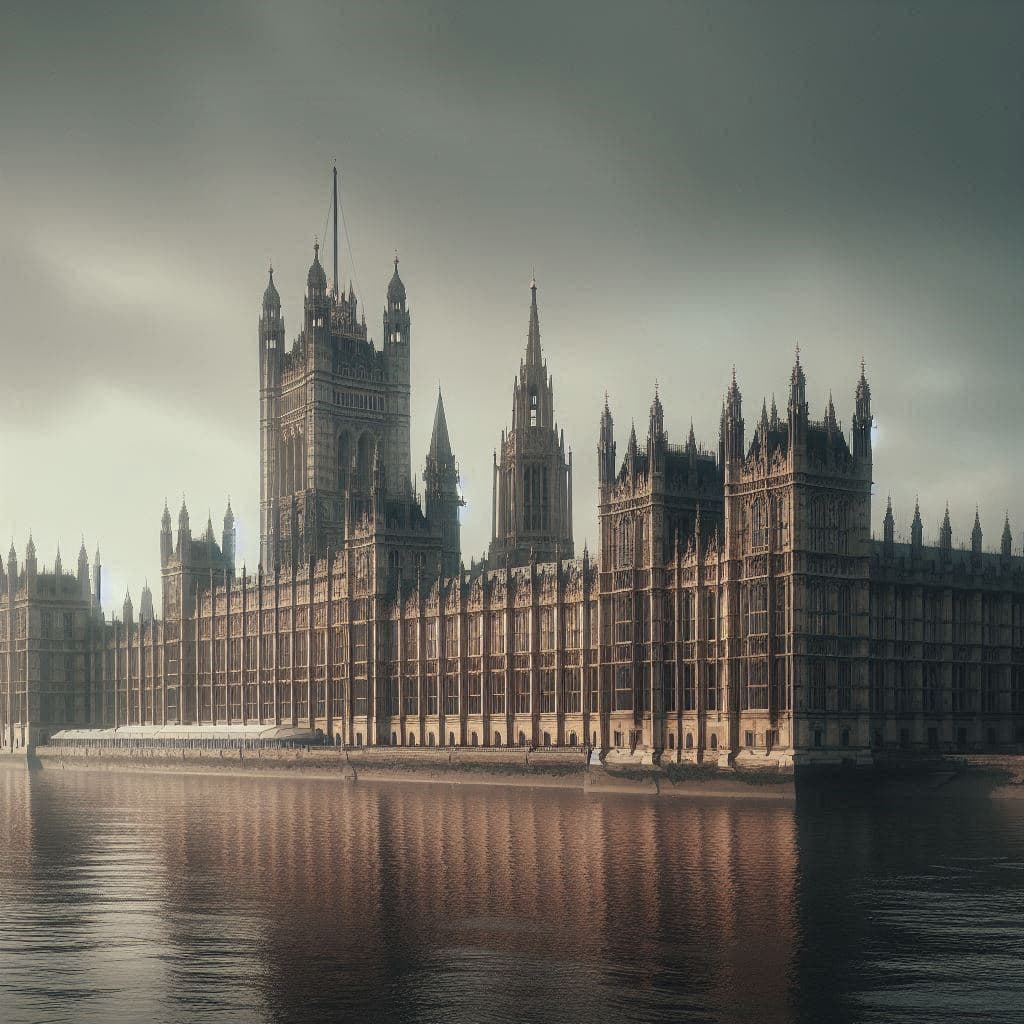
In Westminster, politics rarely moves in straight lines. It drifts instead through moments of tension and pause, through late-night meetings and quiet calculations made beneath portraits of former leaders. This week, that rhythm slowed as Britain’s prime minister stood at the center of a storm that, while loud, has begun to lose its force.
Sir Keir Starmer entered recent days under pressure from within his own political family. Questions over judgment — sparked by the appointment of a senior diplomatic figure whose past associations have drawn renewed scrutiny — unsettled a government still early in its mandate. The controversy did not unfold with spectacle, but with accumulation: concerns voiced in corridors, unease carried into party meetings, and the sharp intake of breath that follows when confidence briefly falters.
The moment turned sharper when a senior regional party leader publicly suggested that the prime minister should step aside. It was an unusual rupture, not because dissent is rare in British politics, but because it came from within the governing party itself. The call echoed widely, amplified by opposition figures eager to frame the episode as evidence of deeper instability.
Yet Westminster has a way of revealing its balance slowly. As speculation swelled, senior ministers began to close ranks. Cabinet voices emphasized continuity, mandate, and the impracticality of leadership upheaval so soon after a decisive election victory. Their support was less dramatic than the criticism, but steadier — a reminder that power often endures through alignment rather than applause.
Behind closed doors, Starmer addressed his lawmakers with a tone more measured than defiant. He acknowledged misjudgment, expressed regret, and accepted responsibility for decisions made under his watch. At the same time, he drew a clear line: leadership, once given by voters, is not surrendered lightly. For many in the room, that clarity appeared to ease immediate fears of a collapse.
The cost of the episode has not been abstract. Senior aides have departed, their exits signaling accountability within the machinery of government. The resignations served as both concession and containment — an attempt to draw boundaries around the crisis without allowing it to consume the administration itself.
Outside the governing party, rivals continue to press their advantage, portraying the episode as symptomatic rather than singular. Inside it, some skepticism remains, quiet but unresolved. Still, the sharpest calls for resignation have softened, replaced by a watchful pause.
British politics now sits in that familiar in-between space: not restored, not undone. The prime minister remains, backed by lawmakers who see stability as preferable to fracture. Whether this moment becomes a footnote or a fault line will depend less on the controversy itself than on what follows — how authority is exercised once the noise fades, and whether trust, once tested, can be made durable again.
AI Image Disclaimer
Visuals are AI-generated and serve as conceptual representations.
Sources
AP News Reuters The Guardian Associated Press Al Jazeera
Published by Banx Network. This article is part of the Banx decentralized media programme, powered by the BXE token on the XRP Ledger.