In Japan, the earth rarely announces itself with spectacle alone. More often, it speaks in controlled motions, a reminder rather than a rupture. On a recent morning, that reminder arrived as a 6.2-magnitude earthquake beneath western Japan, its presence felt in the subtle sway of buildings and the brief pause of daily routines.
The tremor was detected off the coast near Shimane Prefecture, an area long familiar with the quiet tension of tectonic boundaries. Residents reported shaking strong enough to be noticed but not overwhelming, the kind that interrupts thought rather than shatters it. As the ground settled, attention turned instinctively toward the sea, a reflex shaped by history and memory.
That vigilance was soon met with reassurance. Authorities confirmed that no tsunami warning had been issued, and that ocean conditions remained stable. The absence of an alert carried its own weight, signaling that while the earth had shifted, it had done so without triggering the chain of forces that lead to greater destruction.
Japan’s relationship with earthquakes is neither casual nor fearful, but practiced. Infrastructure, emergency systems, and public awareness are shaped by generations of experience. Trains slowed, inspections were carried out, and communications moved calmly through official channels. Early reports indicated no major damage and no immediate injuries, reinforcing a sense of cautious relief.
Beneath this routine response lies a deeper reality. Japan sits along one of the most active seismic regions on the planet, where plates press and release with relentless patience. Each tremor, whether devastating or restrained, becomes part of an ongoing conversation between land and people — a reminder of proximity to forces beyond control, yet not beyond preparation.
By the afternoon, life continued much as before. The quake entered records and memory, another data point in a long seismic history. With no tsunami warning and no immediate crisis, the moment passed quietly, leaving behind not panic, but awareness.
The Japan Meteorological Agency later reiterated that the earthquake posed no ongoing threat from the sea. Monitoring continues, officials said, as is standard practice, while residents were advised to remain attentive to further updates.
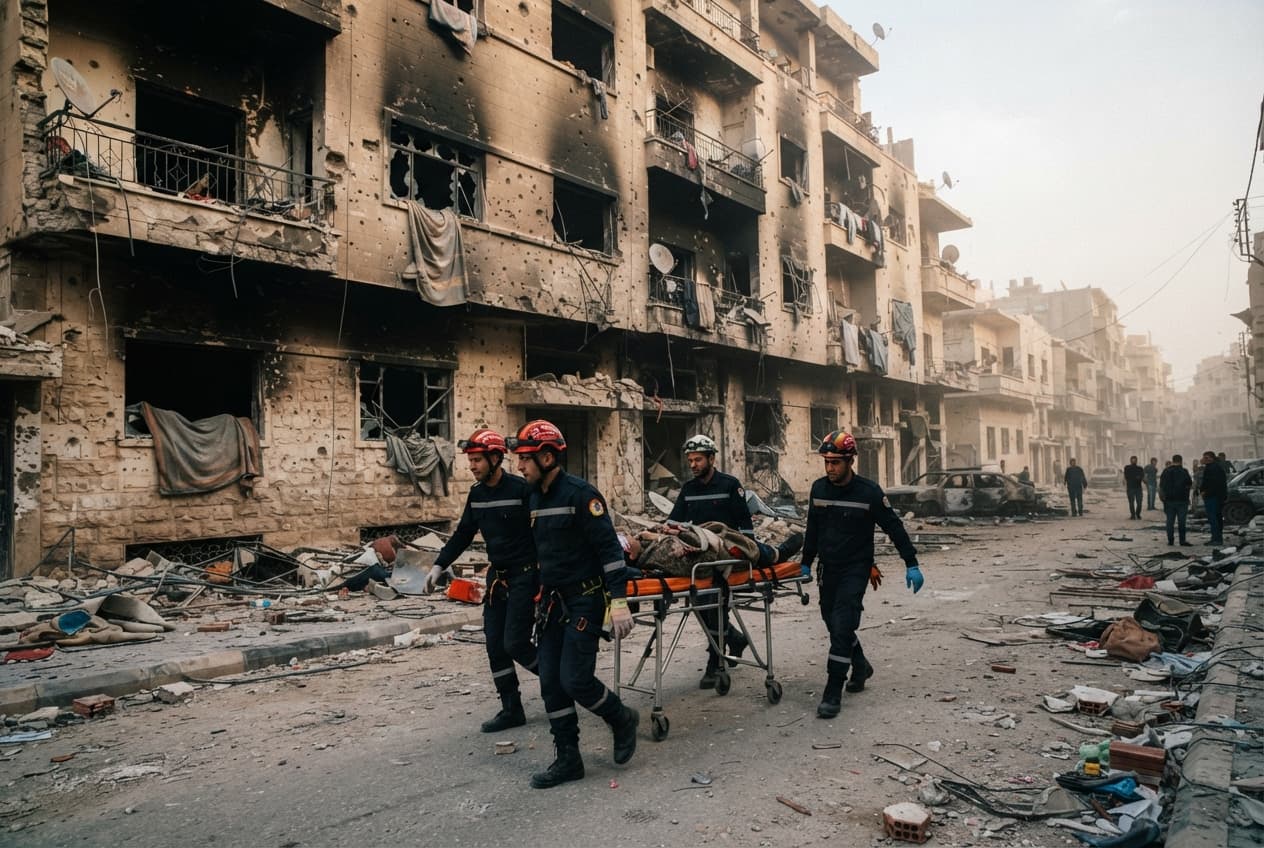
AI Image Disclaimer Illustrations were created using AI tools and are not real photographs.
Published by Banx Network. This article is part of the Banx decentralized media programme, powered by the BXE token on the XRP Ledger.