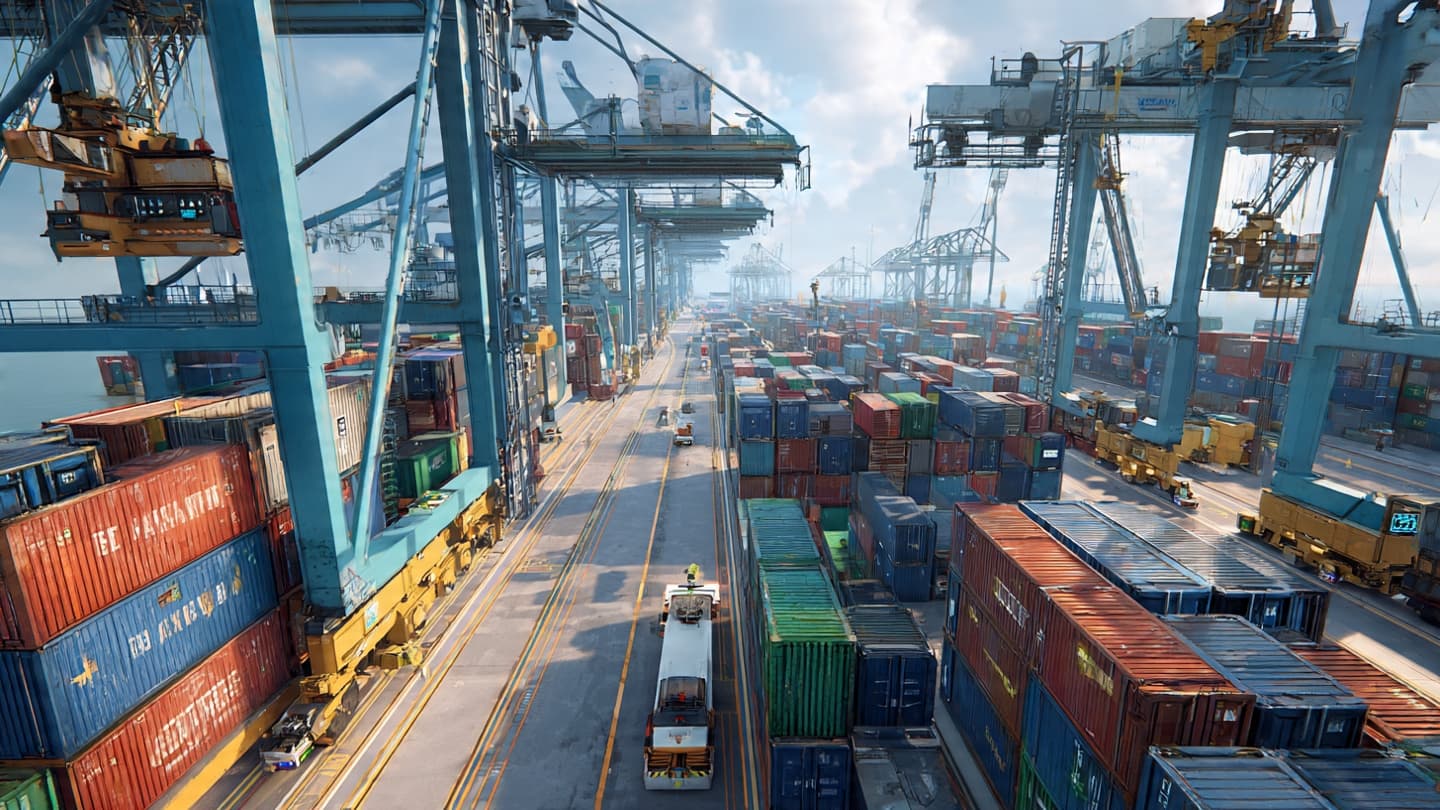
At Rotterdam, the sea meets an industrial landscape of cranes, containers, pipelines, warehouses, and ships arriving from distant ports. For generations, the movement of goods through this gateway has reflected the rhythm of global trade.
Today, another form of movement is becoming increasingly important. Data, automation, artificial intelligence, and digital logistics systems are changing how the port operates, while the transition toward cleaner energy is reshaping the industrial facilities surrounding it.
Rotterdam remains one of Europe's most important maritime hubs, handling enormous volumes of cargo that pass between global markets and the European interior. Its position gives the port a central role in supply chains serving the Netherlands, Germany, Belgium, and other European economies.
Digital technology is becoming an important tool for managing that complexity. Port operators can use data systems to coordinate vessels, cargo movements, infrastructure, and logistics providers, helping reduce delays and improve visibility across supply chains.
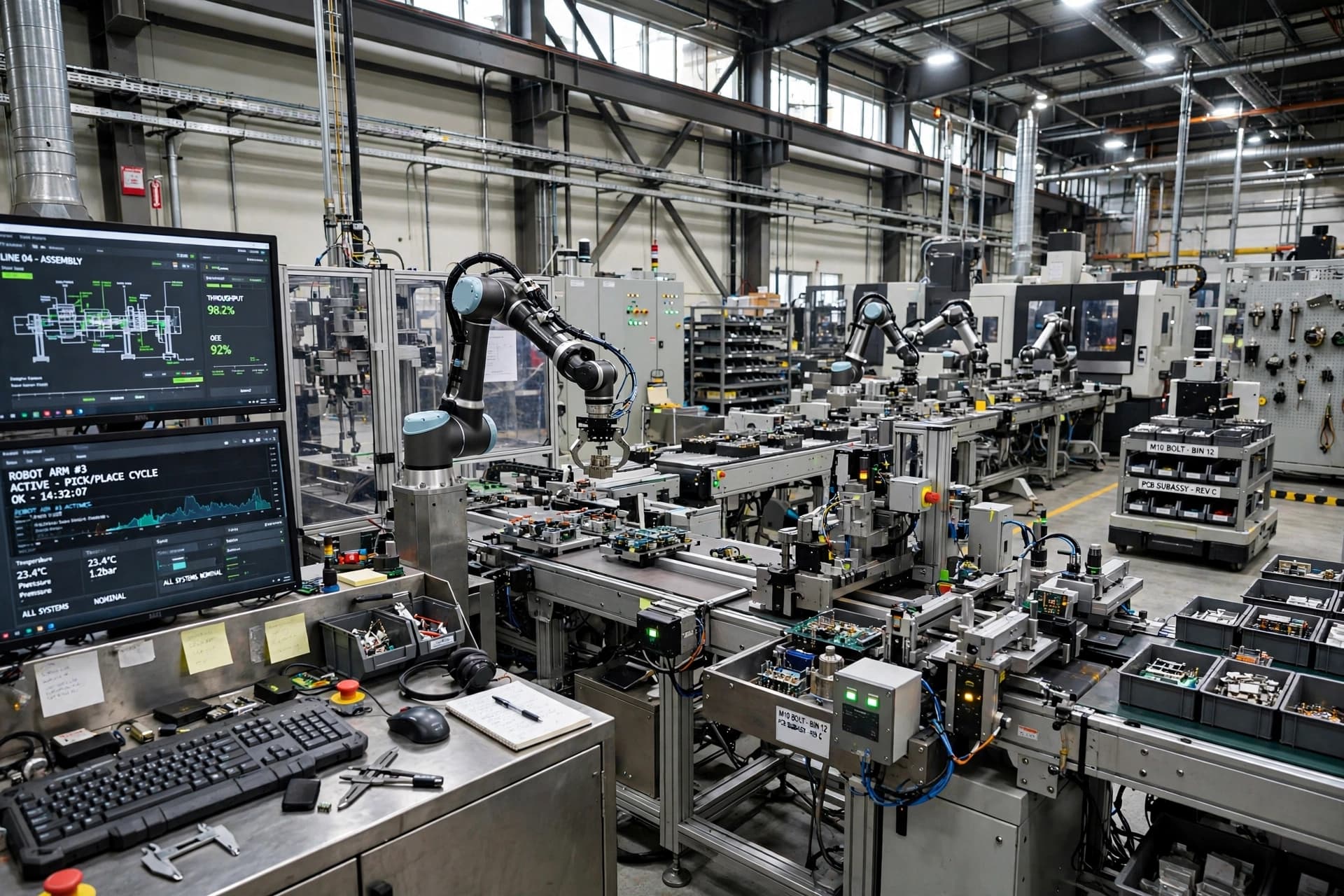
Automation is also expanding. Modern terminals increasingly use automated cranes, guided vehicles, sensors, and centralized control systems. These technologies allow containers to move through terminals with less manual intervention while generating large amounts of operational data.
Artificial intelligence can add another layer by helping analyze those data streams. Predictive systems can potentially anticipate congestion, optimize equipment use, and improve the timing of vessel movements.
At the same time, Rotterdam is undergoing an energy transition. The port's industrial landscape includes refineries, chemical facilities, storage terminals, and energy infrastructure, creating both challenges and opportunities as Europe seeks to reduce emissions.
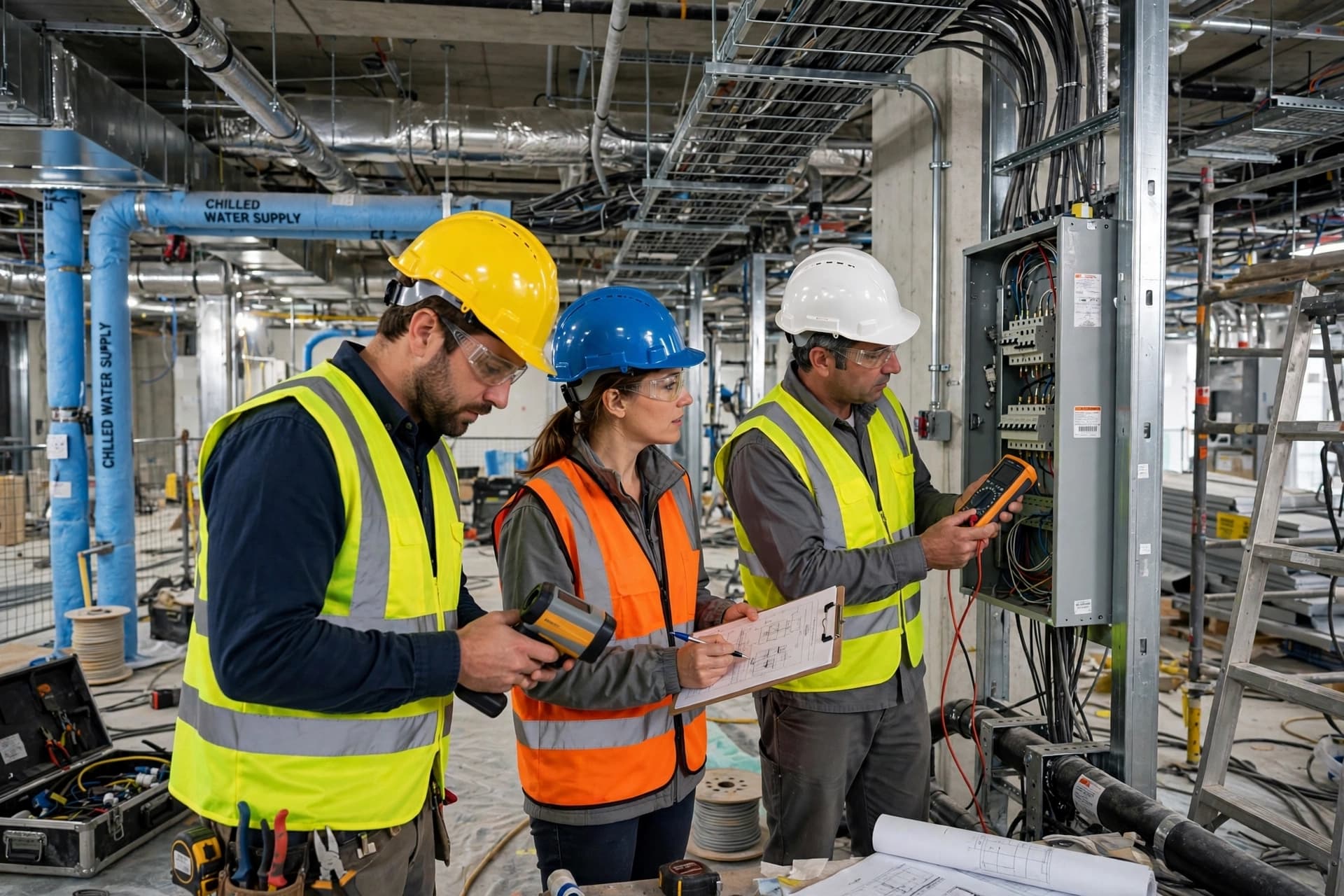
Hydrogen, renewable electricity, carbon capture, and other technologies are being developed or considered across the port's wider industrial ecosystem. The transition is complex because Rotterdam serves industries that require large and continuous amounts of energy.
The combination of digitalization and energy transformation is gradually changing the meaning of a modern port. It is no longer simply a place where ships load and unload cargo. It is increasingly a connected industrial system in which physical infrastructure and digital information operate together.
Rotterdam's future will depend on how effectively these systems can develop alongside one another. As global trade evolves and European industries adapt to new energy requirements, the Dutch port continues to expand its role as both a maritime gateway and a technology-driven industrial center.
AI Image Disclaimer These illustrations were generated using AI technology as conceptual representations of Rotterdam's port and its evolving industrial infrastructure.
Sources Port of Rotterdam Authority Reuters European Commission The Maritime Executive Dutch Ministry of Infrastructure and Water Management
Published by Banx Network. This article is part of the Banx decentralized media programme, powered by the BXE token on the XRP Ledger.