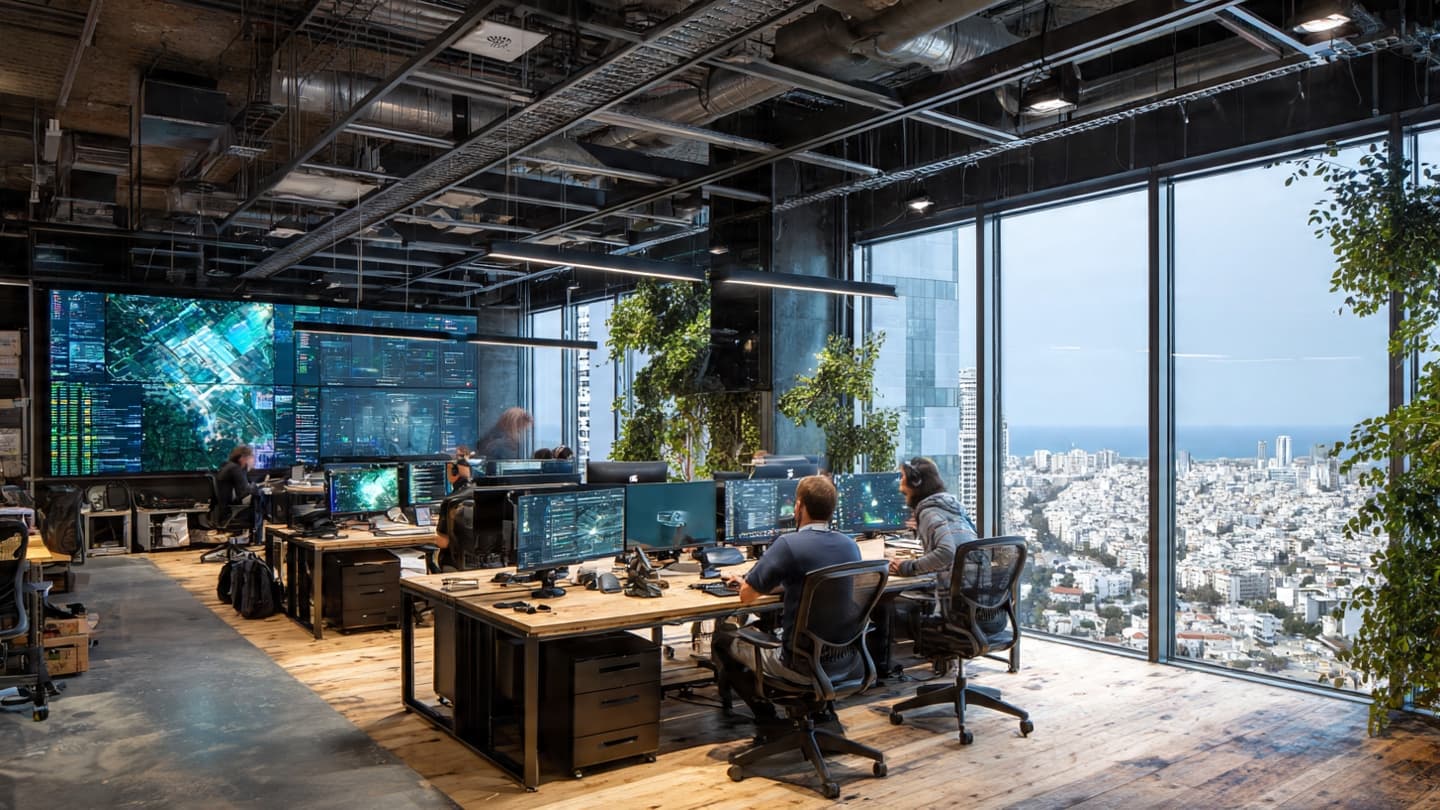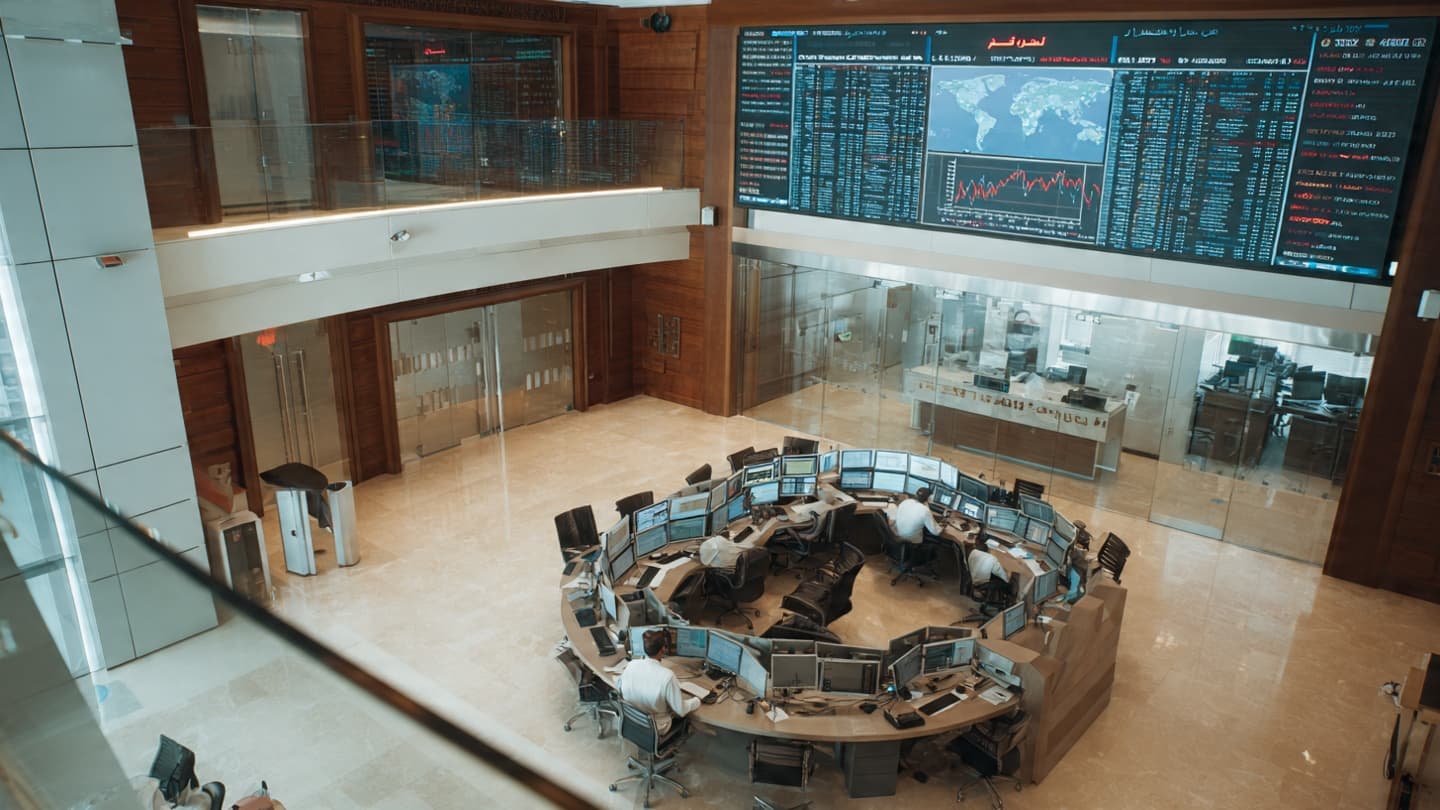
There is a particular stillness before financial markets begin moving. Screens remain quiet for a moment, numbers waiting in their places, before prices begin to shift and the day acquires its direction. On September 3, that movement leaned upward across much of the Gulf, with Dubai leading gains as stronger economic indicators offered investors a reason to look beyond the immediate uncertainty surrounding the region.
Dubai’s main stock index rose 0.5%, supported by broad gains across several sectors. Among the companies contributing to the advance were Emaar Properties and Emirates NBD, while Abu Dhabi’s index added 0.3%, helped by shares including Aldar Properties and Space42. The moves were modest in percentage terms, but they reflected a broader improvement in market sentiment.
The economic data arriving alongside those market movements provided much of the background. The UAE’s non-oil private sector recorded its strongest improvement in business conditions since December 2024 during August. At the same time, Saudi Arabia recorded its fastest non-oil private-sector growth in six months. Together, the figures suggested that important parts of the Gulf economy were maintaining activity beyond the energy sector.
For investors, such data can carry a particular weight. Markets constantly attempt to translate present conditions into expectations about the months ahead. Stronger orders, rising output, and improving business activity can therefore influence how investors view companies whose fortunes are connected to consumer spending, property, banking, technology, and other parts of the domestic economy.
Dubai’s position in this landscape is unusually visible. The emirate has built a commercial identity around finance, property, tourism, aviation, logistics, and international trade. Its stock market consequently reflects not only the performance of individual companies but also the wider expectations surrounding the city’s role as a regional business center.
The movement was not confined to the UAE. Saudi Arabia’s benchmark index gained 0.2%, while Qatar edged 0.1% higher. Egypt’s blue-chip index performed more strongly, rising 1.1%, supported by gains in companies including Commercial International Bank and Talaat Moustafa Group. The varied movements showed a Gulf and Middle Eastern market landscape responding to several economic signals at once.
Yet the market remained attentive to the risks surrounding regional commerce. Energy transportation has been disrupted, and companies connected to shipping continue to face uncertainty. Shares of Bahri, for example, fell 1.6% after an attack on one of its tankers. That contrast—rising markets alongside individual areas of pressure—illustrates how uneven the current business environment remains.
For Gulf investors, the latest session therefore carried two messages at once. Economic activity in several countries is showing resilience, while companies exposed to transportation, energy, and regional disruption continue to face a more complicated operating environment. The market is absorbing both realities simultaneously.
By the close of trading, Dubai had taken the lead, but the broader significance lay in the economic signals underneath the movement. Markets can change direction within hours, while business conditions develop over months. For now, the latest figures have placed stronger economic activity back into the conversation, giving Gulf investors another reason to watch what happens beyond the daily movement of prices.
AI Image Disclaimer: These visuals were produced with AI technology as conceptual representations of the reported financial and economic setting.
Sources: Reuters Gulf News Arab News
Published by Banx Network. This article is part of the Banx decentralized media programme, powered by the BXE token on the XRP Ledger.