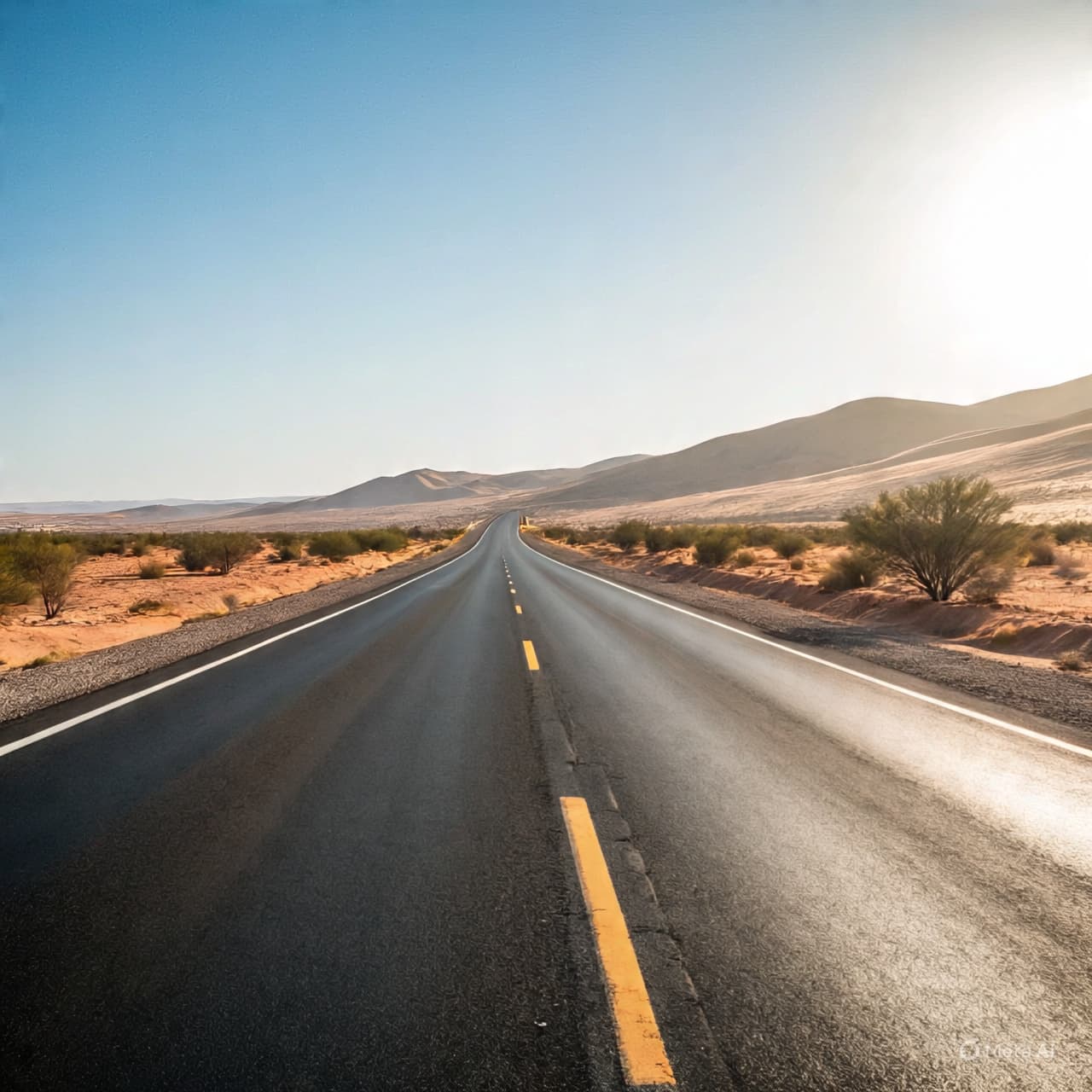
There are days when the air seems to hold its breath. Heat gathers not in bursts, but in long, unbroken stretches, settling into the ground, the roads, the walls of buildings that keep it long after the sun has moved on. In the American Southwest, such days are familiar, yet even familiarity has its limits.
Now, that heat has begun to reach further.
Across the Southwestern United States, temperatures have remained persistently high, pressing into daily life with a steady intensity. Cities accustomed to summer extremes have once again found themselves adjusting—seeking shade, shifting routines, and watching the numbers climb beyond what is easily ignored.
But the pattern does not remain contained. Far beyond the desert landscapes, places like Nebraska—more often associated with open plains and seasonal variation—have also felt the strain. The heat stretches across regions, softening the usual boundaries between climates, as if the season itself has widened its reach.
Authorities have issued heat advisories in multiple areas, urging residents to remain hydrated and limit time outdoors during peak conditions. Cooling centers have opened, offering relief where it can be found, while emergency services remain alert to the health risks that accompany prolonged exposure.
The effects are both visible and subtle. Roads shimmer under the sun, air conditioners hum without pause, and the landscape itself takes on a muted tone under the weight of sustained warmth. At the same time, the human response unfolds quietly—water bottles carried more often, schedules adjusted, movement slowed.
There is a particular persistence to heat waves. Unlike storms, they do not announce themselves with sudden force. Instead, they linger, extending their presence day after day, reshaping habits and expectations through duration rather than intensity alone.
Meteorologists continue to monitor the conditions, noting that the spread of heat across regions reflects broader atmospheric patterns that can shift and expand over time. For now, the immediate concern remains practical: endurance, adaptation, and care.
Extreme heat continues to affect the Southwestern United States, with high temperatures extending into states like Nebraska. Authorities have issued advisories as conditions remain elevated and residents are urged to take precautions.
AI Image Disclaimer
Illustrations were created using AI tools and are not real photographs.
Sources
National Weather Service CNN The Weather Channel Associated Press
Published by Banx Network. This article is part of the Banx decentralized media programme, powered by the BXE token on the XRP Ledger.