Credit has its own geography. It moves through banks, businesses and investment projects, quietly determining which plans can move forward and which remain waiting on paper. In Argentina, that flow is beginning to change as companies gain access to a broader channel of dollar financing.
Argentina announced that banks will be allowed to lend more of their dollar deposits to companies, with lending permitted up to 15% of those deposits under the new framework. The measure is intended to increase credit availability for businesses.
The decision responds partly to pressure from companies facing high borrowing costs in pesos. Argentina's auto and construction industries were among sectors seeking greater flexibility in access to dollar-denominated loans, according to Economy Minister Luis Caputo.
Dollar lending is particularly significant in an economy where businesses may have revenue, expenses or investment needs connected to international markets. Access to dollar credit can provide another financing option for companies planning purchases, expansion or long-term projects.
The central bank has also moved to relax regulations governing foreign-currency lending following the government's changes. Authorities hope that greater access to dollar loans will encourage investment and support job creation.
The policy is part of a wider effort to bring more foreign currency into Argentina's formal financial system. The government has introduced tax changes aimed at encouraging people to declare savings held in cash or overseas accounts, potentially increasing the pool of funds available within domestic banks.
For businesses, the availability of credit can be as important as the cost of credit. A company may have a viable investment plan but still delay it when financing is difficult or expensive. Easier access to loans can change that calculation.
Construction provides one example. Large building projects require substantial upfront capital, and financing costs can strongly influence whether developers proceed. More flexible credit could therefore affect activity across property development and related industries.
The automotive sector is another area where financing matters. Manufacturers and suppliers operate through long supply chains and require capital for equipment, inventory and expansion. Access to dollar funding can potentially support investments connected to imported machinery or internationally traded goods.
The policy also reflects the role of Argentina's banking system in the country's broader economic recovery. After years of high inflation and financial instability, rebuilding confidence in formal credit channels is an important part of expanding normal business activity.
International institutions are watching those developments as well. During a visit to Argentina, International Monetary Fund Managing Director Kristalina Georgieva emphasized the need to improve access to credit for businesses and households while noting that some parts of the economy remained under pressure.
The measure does not eliminate the challenges facing Argentine companies. Borrowing costs, currency movements, consumer demand and broader economic conditions will continue to influence investment decisions.
There is also a practical limit to dollar lending. Banks can only lend within the regulatory framework, and companies borrowing in dollars must have sufficient capacity to manage foreign-currency obligations.
Still, the change represents another adjustment in Argentina's evolving financial system. Rather than relying only on peso financing, businesses now have a somewhat wider range of options for obtaining capital.
The effect will ultimately be measured in activity outside the banks—in factories expanding, buildings being constructed, equipment being purchased and companies deciding whether the time is right to invest.
For now, Argentina is widening the financial channel through which dollars can reach businesses. The policy is intended to make credit more available, while its longer-term impact will depend on whether companies convert that additional access into sustained investment and economic activity.
Image Disclaimer
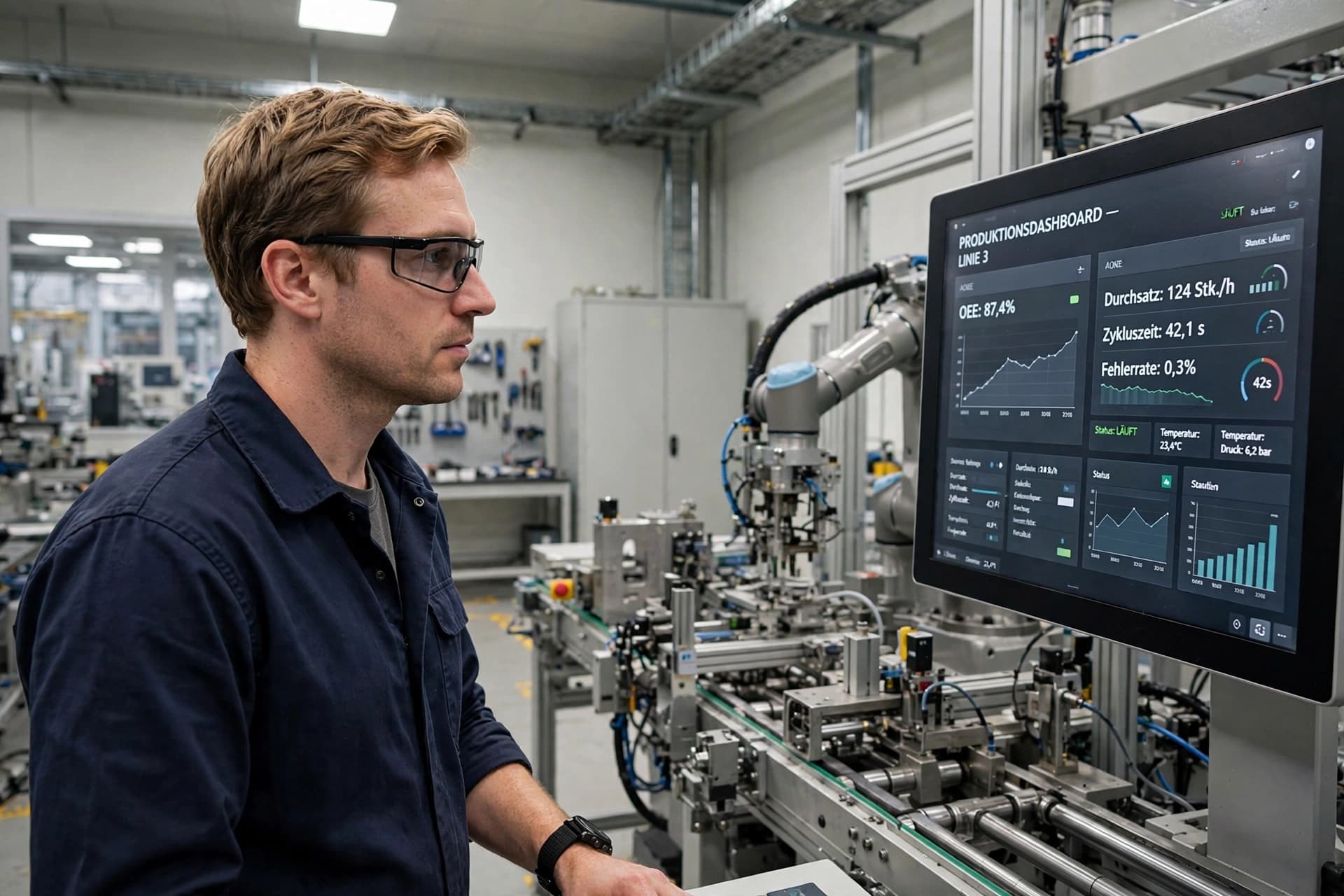
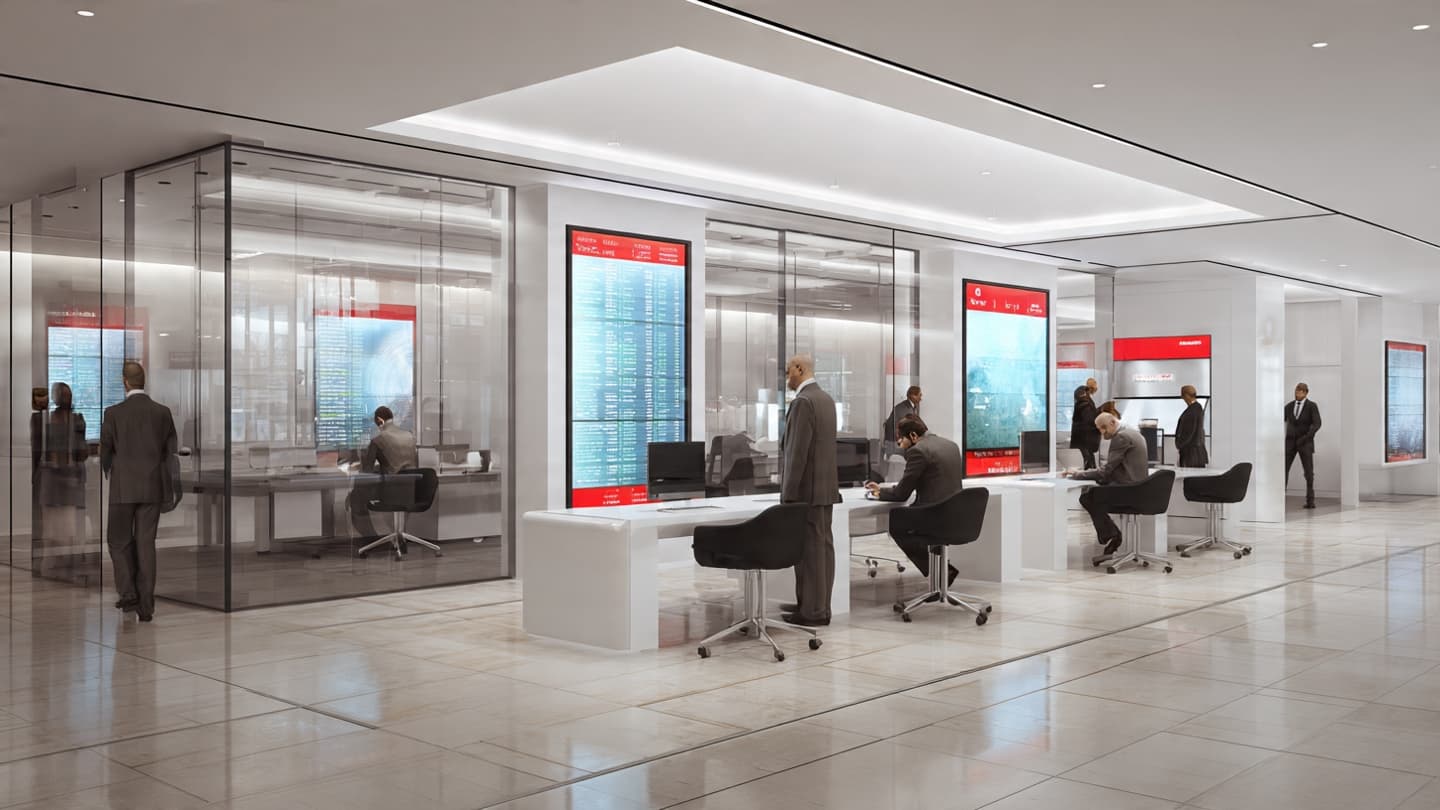
The accompanying illustrations are AI-generated conceptual representations of Argentina’s banking and business-credit environment and are not actual photographs.
Sources
Reuters Central Bank of Argentina Ministry of Economy of Argentina International Monetary Fund
Published by Banx Network. This article is part of the Banx decentralized media programme, powered by the BXE token on the XRP Ledger.