On Britain’s high streets, where shuttered units sit beside pop-ups and coffee chains, something small, strange, and unmistakably playful is preparing to arrive. With wide eyes, sharp teeth, and a cult following born online, Labubu — the collectible character from China’s booming designer toy scene — is stepping into the UK in a very physical way. Seven standalone Labubu shops are set to open across the country, a move announced shortly after the British prime minister’s visit to China.
At first glance, the timing may appear coincidental, but retail expansions rarely unfold in isolation. The decision to bring Labubu’s creator, Pop Mart, deeper into the UK market reflects a broader recalibration of commercial ties at a moment when political relations are cautiously warming. Cultural products often move ahead of diplomacy, softening edges before policy follows, and in this case, vinyl figures and limited editions are doing quiet work that speeches cannot.
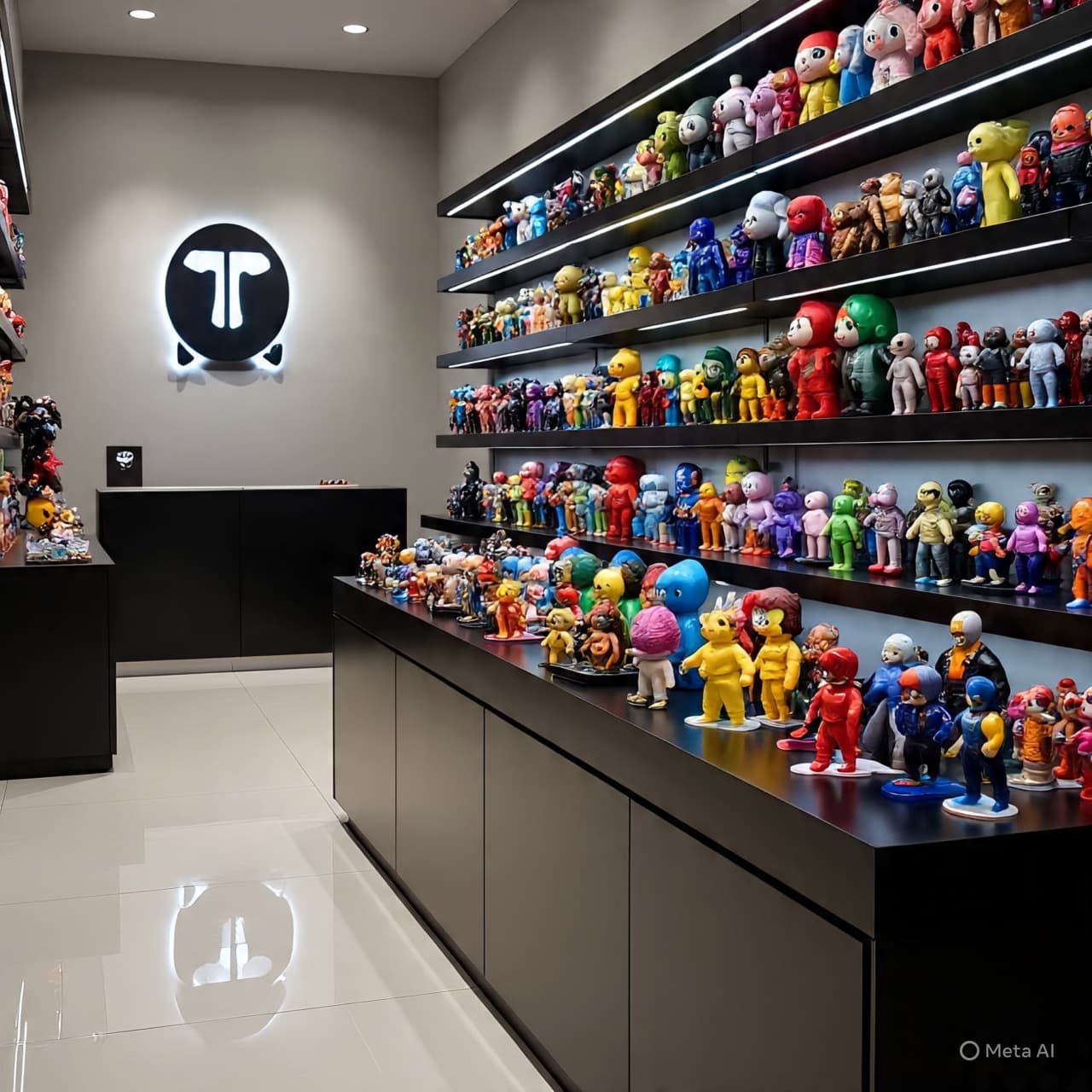
Labubu itself is an unlikely ambassador. Neither conventionally cute nor overtly edgy, the character occupies a space that resonates with younger consumers raised on anime, street culture, and algorithm-driven discovery. Its popularity has been built not through mass advertising, but through scarcity, collectability, and the ritual of unboxing. The shops are designed not just to sell, but to stage that experience — part retail, part gallery, part social space.
For the UK, the arrival of seven dedicated stores is notable. High streets remain under pressure, and international brands are cautious about physical expansion. That Pop Mart is committing to bricks and mortar suggests confidence in British demand, particularly among Gen Z and millennial shoppers who blur the line between consumer and collector. It also signals how Chinese lifestyle brands are increasingly willing to test themselves beyond Asia, not as manufacturers for Western labels, but as cultural exporters in their own right.
Politically, the backdrop matters. The prime minister’s visit to China was framed around trade, investment, and pragmatic engagement. While toy shops are far from strategic infrastructure, their presence reflects a softer dimension of economic exchange — one where taste, trends, and cultural curiosity carry weight. These openings do not resolve tensions or rewrite policy, but they suggest a willingness on both sides to keep channels open, even when the wider relationship remains complex.
Inside the new stores, the atmosphere will likely feel far removed from geopolitics. Shelves lined with small figures, queues for limited releases, the quiet excitement of a blind box being opened — these are intimate, almost childlike moments. Yet they exist within a larger story of how global influence now travels: not only through finance or force, but through characters, communities, and shared aesthetics.
As Labubu finds its place among British shoppers, its success will depend less on diplomacy than on desire. Still, the timing is telling. In a world where politics often feels brittle, the arrival of seven small shops suggests another truth — that cultural exchange, even when wrapped in plastic and paint, continues to move forward, one figurine at a time.
AI Image Disclaimer Visuals are AI-generated and serve as conceptual representations.
Sources BBC News Financial Times Retail industry reporting Pop Mart company statements UK trade and retail analysts
Published by Banx Network. This article is part of the Banx decentralized media programme, powered by the BXE token on the XRP Ledger.