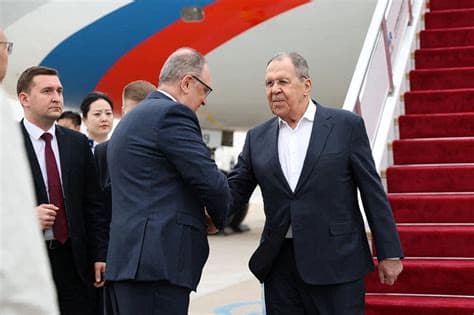
Diplomacy often begins in quiet rooms, where conversations move carefully and every word carries significance. Behind public statements and international attention, negotiations continue as a way for countries to manage differences and explore possible solutions.
In regions with complex relationships, dialogue remains an important mechanism for preventing misunderstandings from growing into larger challenges. Negotiations provide space for governments to communicate interests while seeking areas of cooperation.
The process of diplomacy is rarely immediate. Progress often develops through gradual discussions, confidence-building measures, and continued engagement between different parties.
For Iran and its regional neighbors, diplomatic communication represents a significant part of broader efforts to maintain stability. The region’s economic and strategic importance makes continued dialogue relevant for many countries.
Beyond political considerations, regional stability also affects economic activity. Businesses, investors, and industries depend on predictable conditions to make long-term decisions and maintain operations.
International negotiations often involve multiple interests. Energy security, trade relationships, maritime movement, and regional cooperation can all become connected elements within diplomatic discussions.
The value of dialogue is not only measured by immediate results. Maintaining communication channels can also provide opportunities to address future challenges more effectively.
In a world where economies and societies are increasingly connected, regional developments can influence communities far beyond national borders.
Diplomatic efforts continue to represent a careful balance between patience and progress. Each conversation contributes to the broader effort of creating more predictable relationships between nations.
As regional dynamics continue changing, negotiation remains one of the important tools used by countries to navigate uncertainty and seek greater stability.
Published by Banx Network. This article is part of the Banx decentralized media programme, powered by the BXE token on the XRP Ledger.