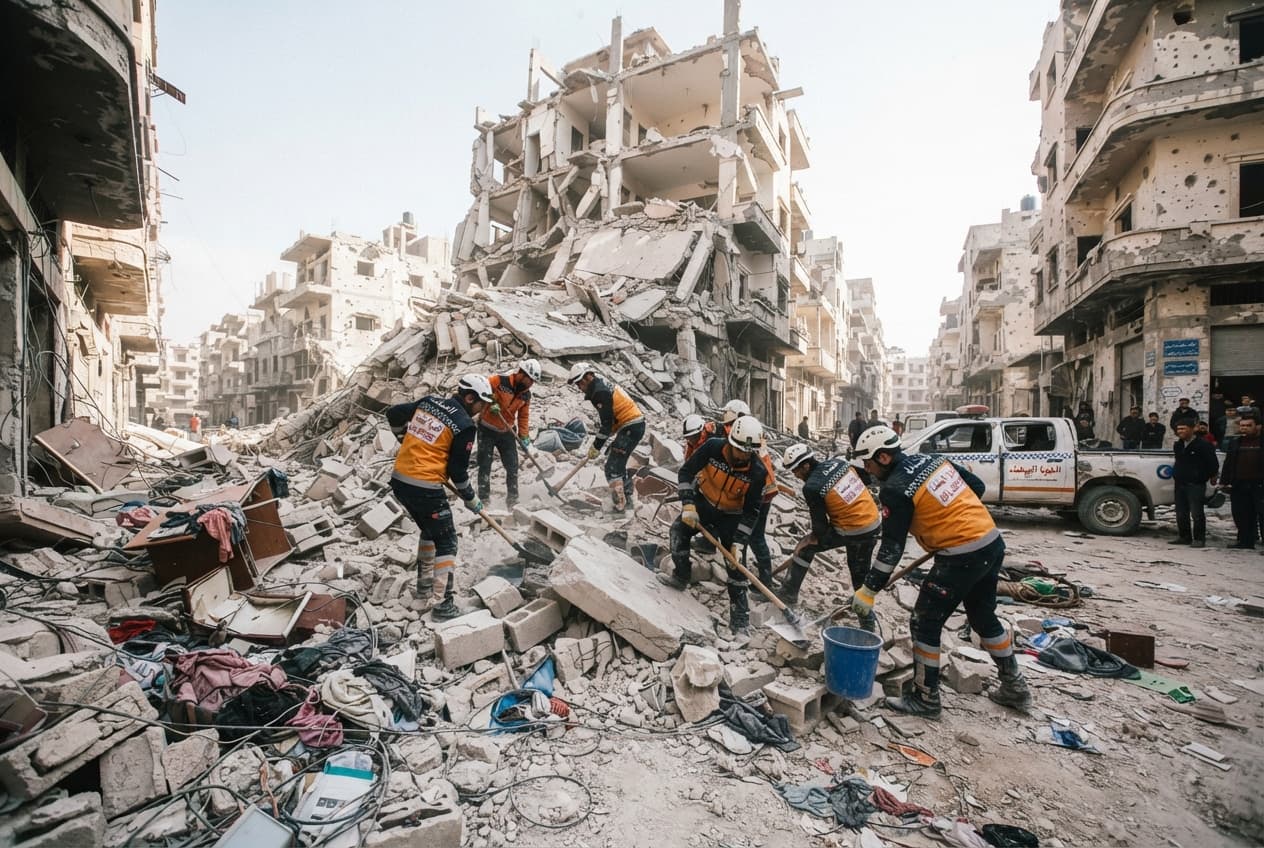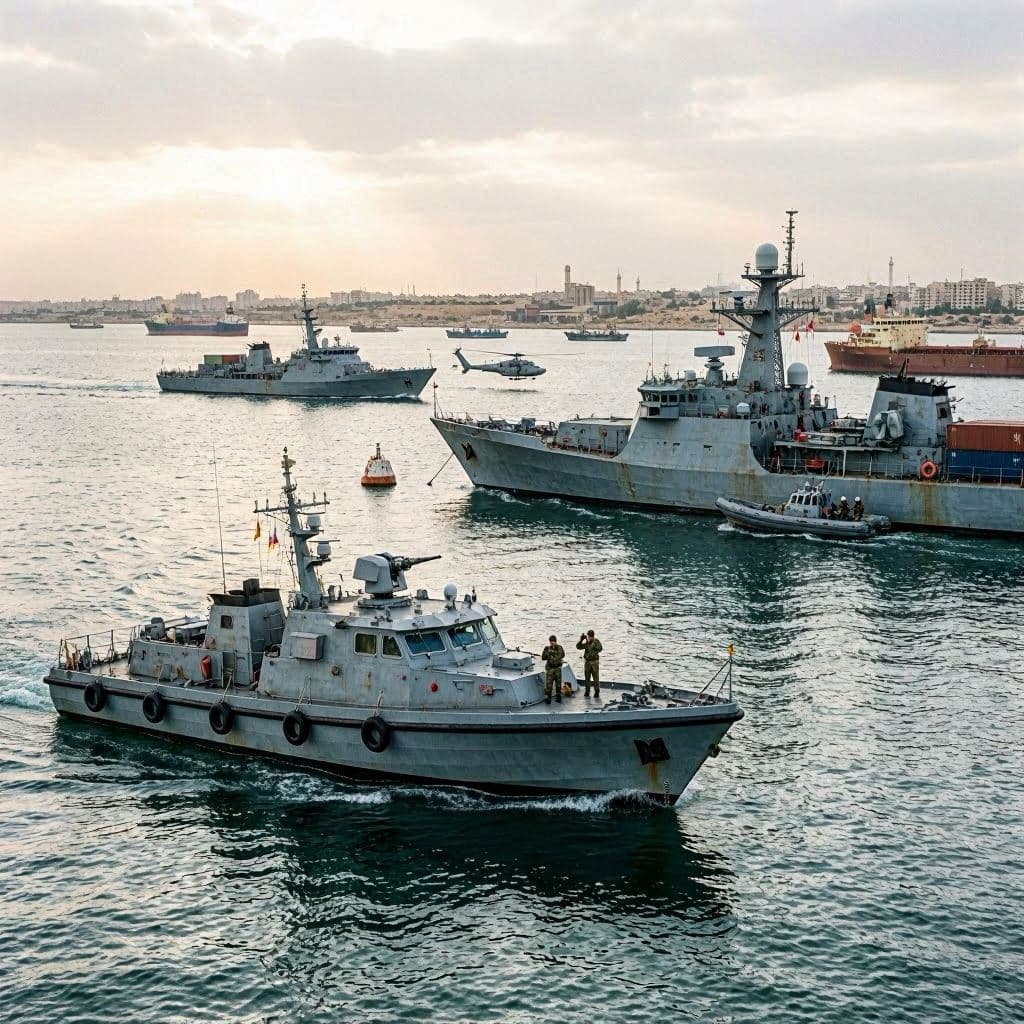
Across the deserts and coastlines of the Middle East, history often moves like shifting sand—quiet for a moment, unsettled the next. Recent developments involving the United States and Iran have once again drawn international attention to a region where diplomacy and confrontation frequently exist side by side.
Officials from both Washington and Tehran have exchanged strong statements following recent military developments in the region. The renewed tensions have heightened concerns among diplomats and regional observers, who fear that miscalculation could further destabilize an already fragile environment.
The latest escalation follows a series of security incidents involving military assets and regional partners. Although details continue to emerge, both governments have defended their actions as necessary measures linked to national security interests.
The United States has maintained a significant military presence in the Middle East for decades, citing the protection of allies, maritime security, and counterterrorism operations. Iran, meanwhile, continues to assert its influence across the region through political, military, and strategic partnerships.
International leaders have urged restraint, emphasizing the importance of diplomatic engagement. Several governments and multilateral organizations have called on both sides to avoid actions that could trigger broader conflict.
Financial markets have also responded to the uncertainty. Energy prices experienced fluctuations as investors assessed the potential impact of heightened regional tensions on global oil supplies and shipping routes.
Analysts note that previous periods of confrontation between the United States and Iran have often included cycles of escalation followed by diplomatic efforts. As a result, many observers continue to watch for possible backchannel negotiations or confidence-building measures.
While rhetoric has intensified, diplomatic channels remain open. Regional governments continue encouraging dialogue as a means of preventing further escalation and preserving stability.
For now, the international community remains focused on whether diplomacy can once again create space for de-escalation in one of the world's most strategically significant regions.
AI Image Disclaimer: Some visual elements accompanying this report are AI-generated illustrations intended solely for editorial presentation.
Source Verification Check: Reuters, Associated Press, BBC News, CNN
Published by Banx Network. This article is part of the Banx decentralized media programme, powered by the BXE token on the XRP Ledger.