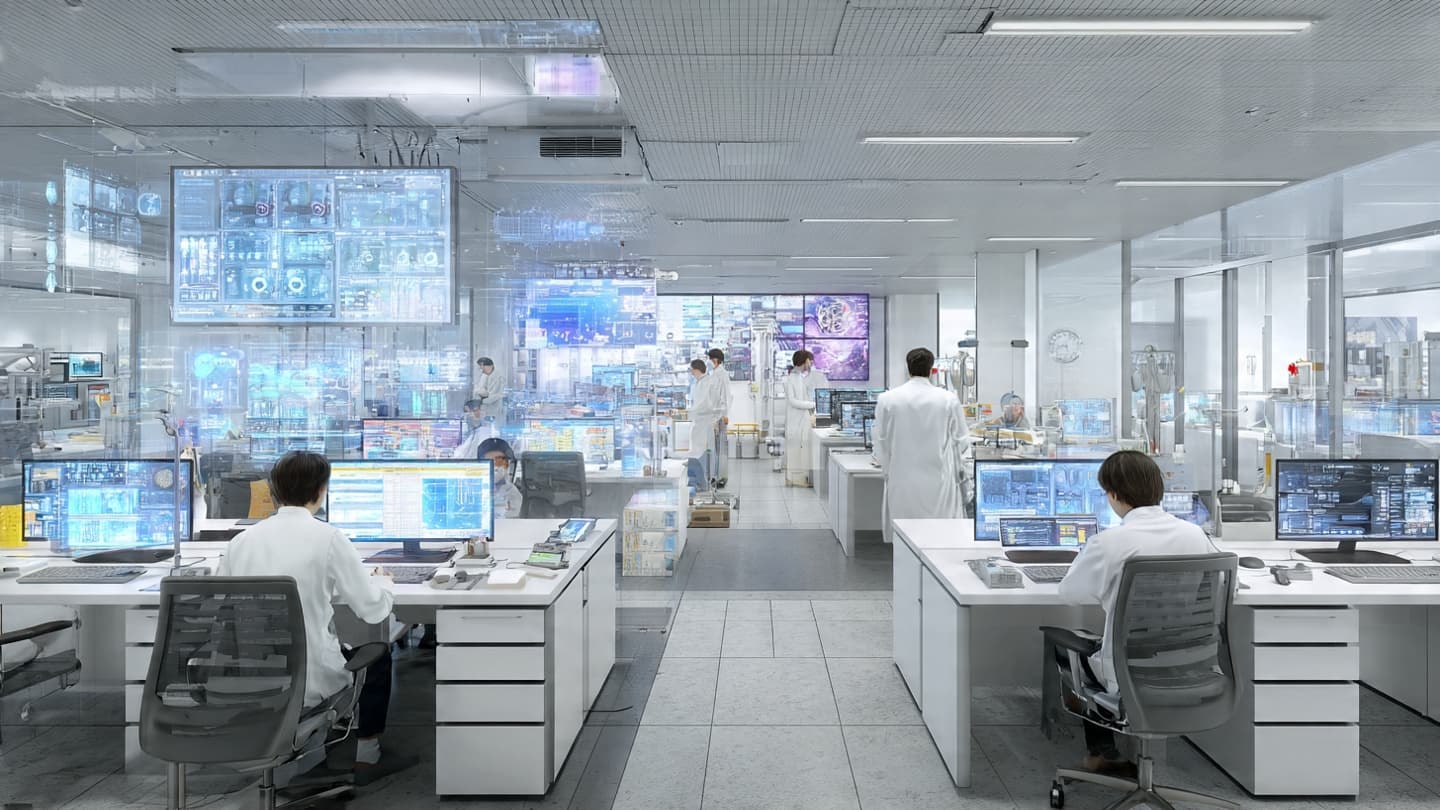
Inside the carefully organized spaces of Japan’s hospitals and research centers, a new form of collaboration is emerging. Machines are beginning to work alongside medical professionals, not replacing human expertise, but helping create new possibilities in healthcare.
Artificial intelligence has become one of the most discussed technologies within the medical field. Its ability to process large amounts of information has opened opportunities for improving analysis, research, and operational efficiency.
Japanese technology companies have continued exploring AI systems designed to support healthcare organizations. These technologies include data analysis platforms, digital management tools, and systems that assist medical professionals in handling complex information.
The development of AI healthcare solutions reflects a broader transformation taking place across Japan’s technology sector. Companies are combining traditional engineering strengths with advanced computing capabilities to address modern challenges.
Hospitals and research institutions are increasingly interested in digital systems that can improve workflow and support better organization of medical information. These tools provide additional resources for professionals working in demanding healthcare environments.
However, the introduction of artificial intelligence into medicine requires careful balance. Healthcare remains a field built around human judgment, communication, and trust between medical professionals and patients.
Japan’s approach to healthcare technology has focused on creating systems that support people rather than simply automate processes. The goal is to combine technological precision with the experience and understanding of healthcare workers.
As AI continues developing, Japanese companies and researchers are expected to explore additional applications in medical fields. The progress represents another step in the ongoing relationship between technology and human wellbeing.
AI Image Disclaimer: Illustrations were created using AI technology and represent conceptual scenes, not real photographs.
Sources Reuters JCN Newswire Nikkei Asia
Published by Banx Network. This article is part of the Banx decentralized media programme, powered by the BXE token on the XRP Ledger.