Before a rocket ever leaves the ground, there is a quieter kind of launch. It begins not with flame, but with scrutiny; not with thunder, but with patience. In vast assembly buildings and control rooms lined with screens, engineers lean over data the way sailors once studied wind and tide. Every number carries weight. Every test is a rehearsal for a moment when hesitation is no longer possible.
That is where things now stand for NASA and its long-anticipated Artemis II mission.
Following a recent confidence test of the powerful Space Launch System rocket and its supporting hardware, engineers are carefully examining the results. The review comes as NASA looks toward a March launch window for Artemis II, the first crewed mission in the Artemis program and a pivotal step in returning humans to deep space. Among those preparing for the journey is Jeremy Hansen, a Canadian astronaut from London, Ontario, whose seat aboard the spacecraft carries both personal and national significance.
The confidence test was designed to validate the readiness of key systems under conditions that simulate the pressures of launch. Such evaluations are not dramatic in appearance, yet they are fundamental in purpose. Sensors record temperature shifts, structural responses, and propulsion behavior. Engineers then sift through the data, searching not only for what went right, but for what might need refinement. In modern spaceflight, confidence is built line by line, metric by metric.
Artemis II represents more than a single mission. It is a bridge between eras. More than half a century has passed since astronauts last traveled beyond low Earth orbit to circle the Moon during the Apollo program. This time, the journey is intended as preparation for something more enduring: sustained human exploration under the broader Artemis framework. The mission plan calls for a crewed flight around the Moon and back, testing life-support systems, navigation, and spacecraft performance in deep space conditions.
For Canada, Hansen’s presence marks a milestone. It is the first time a Canadian astronaut has been assigned to a lunar mission. His participation reflects international collaboration that has become central to contemporary space exploration. Artemis II is not solely an American endeavor; it is supported by partnerships that extend across borders, laboratories, and launch facilities.
The March launch window remains a target, not a guarantee. Space agencies are cautious by design. Should engineers find anomalies that require adjustment, schedules may shift. Such changes are rarely framed as setbacks. Rather, they are reminders that spaceflight tolerates little compromise. The margin between preparation and peril is thin, and history has taught agencies to move deliberately.
As NASA reviews the results of the recent testing, the broader objective remains steady: to ensure that when Artemis II lifts off, it does so on a foundation of measured assurance. Each test, each recalibration, is part of a longer narrative that stretches from the Saturn V rockets of the 1960s to today’s towering launch systems.
For now, the engines are silent, and the rocket stands in anticipation. Engineers continue their evaluations, and mission planners weigh the calendar against the data. The decision on the March window will follow the evidence.
In the careful language of space agencies, progress is seldom described as dramatic. It is described as methodical, conditional, and informed by analysis. Artemis II remains on course as teams review the confidence test findings, with the March timeframe still under consideration. Final determinations will depend on the outcomes of those assessments in the weeks ahead.
AI Image Disclaimer
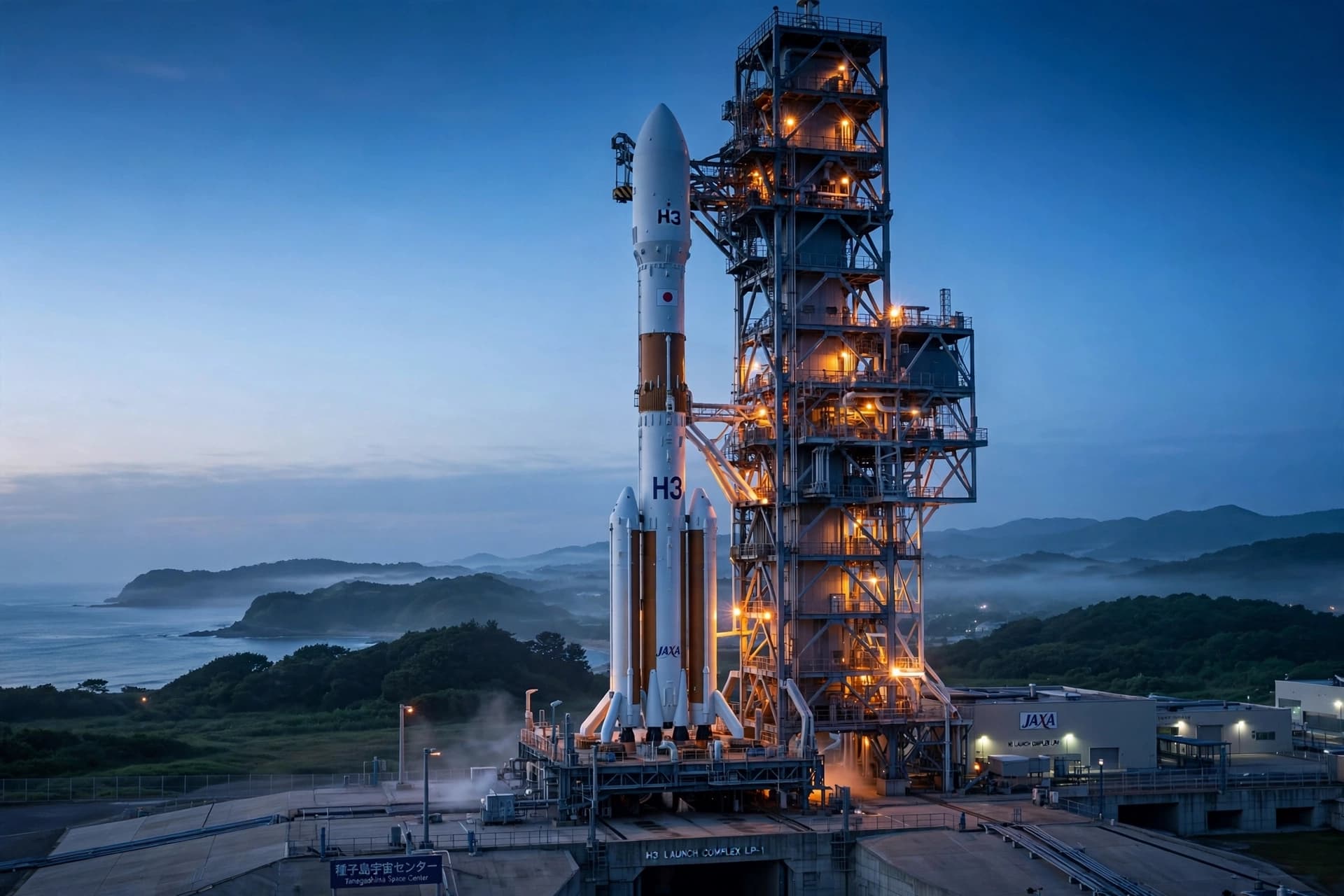
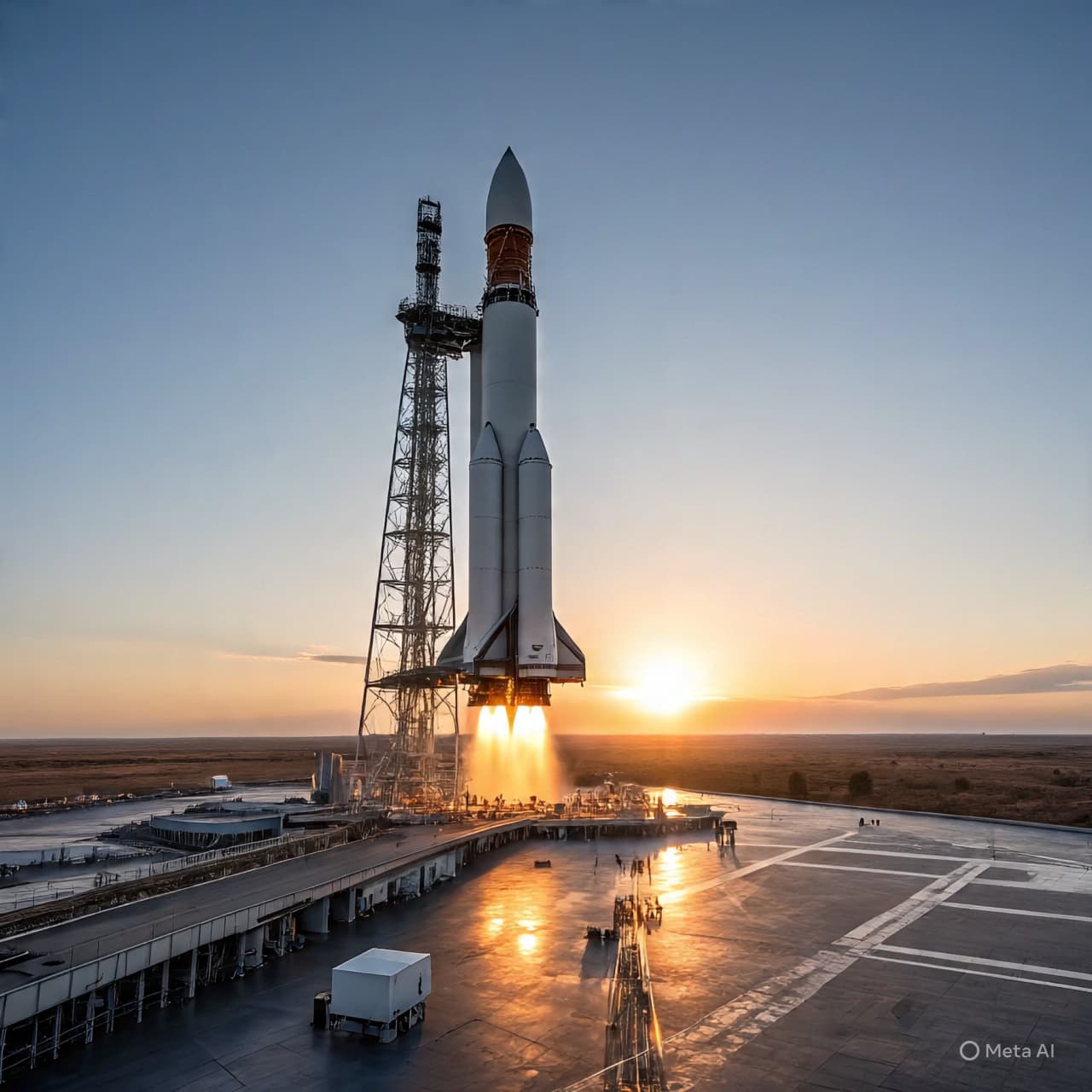
Visuals are created with AI tools and are not real photographs.
Source Check
1. Reuters 2. BBC 3. The Associated Press 4. CBC News 5. Space.com
Published by Banx Network. This article is part of the Banx decentralized media programme, powered by the BXE token on the XRP Ledger.