There is a particular quietness to technological change when it enters a workplace. No machines necessarily arrive with a dramatic sound. Instead, a new tool appears on a screen, a task becomes automated, and gradually the rhythm of a working day begins to shift.
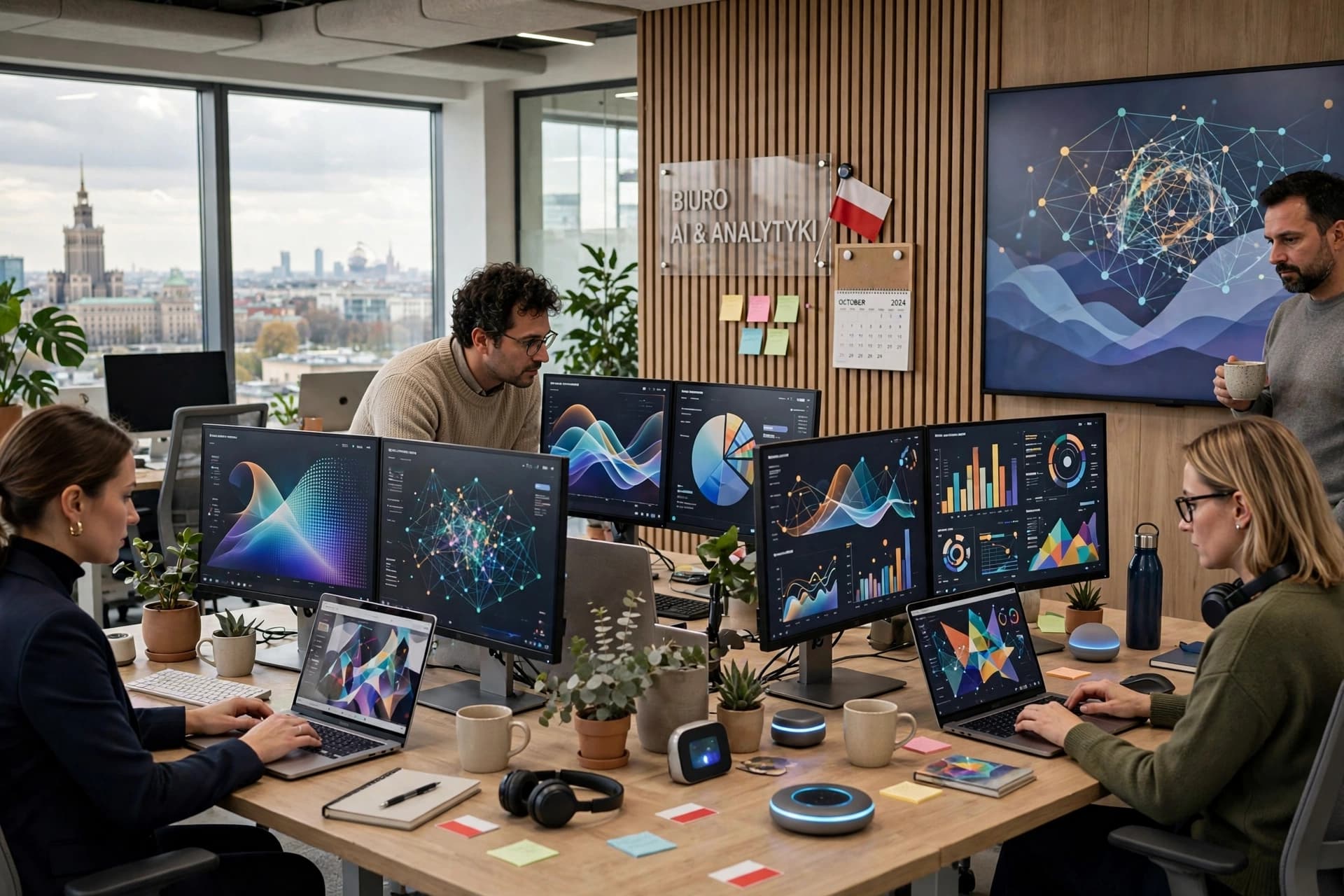
That process is becoming more visible across Polish companies. Recent research shows that artificial intelligence is moving beyond experimentation for a growing share of businesses, although adoption remains uneven between sectors and organizations.
The Polish Economic Institute reported in August that 28.7% of surveyed companies across five sectors were already using AI. Services recorded the highest adoption, with 45% of surveyed service companies using the technology and another 13% planning to introduce it within the following year.
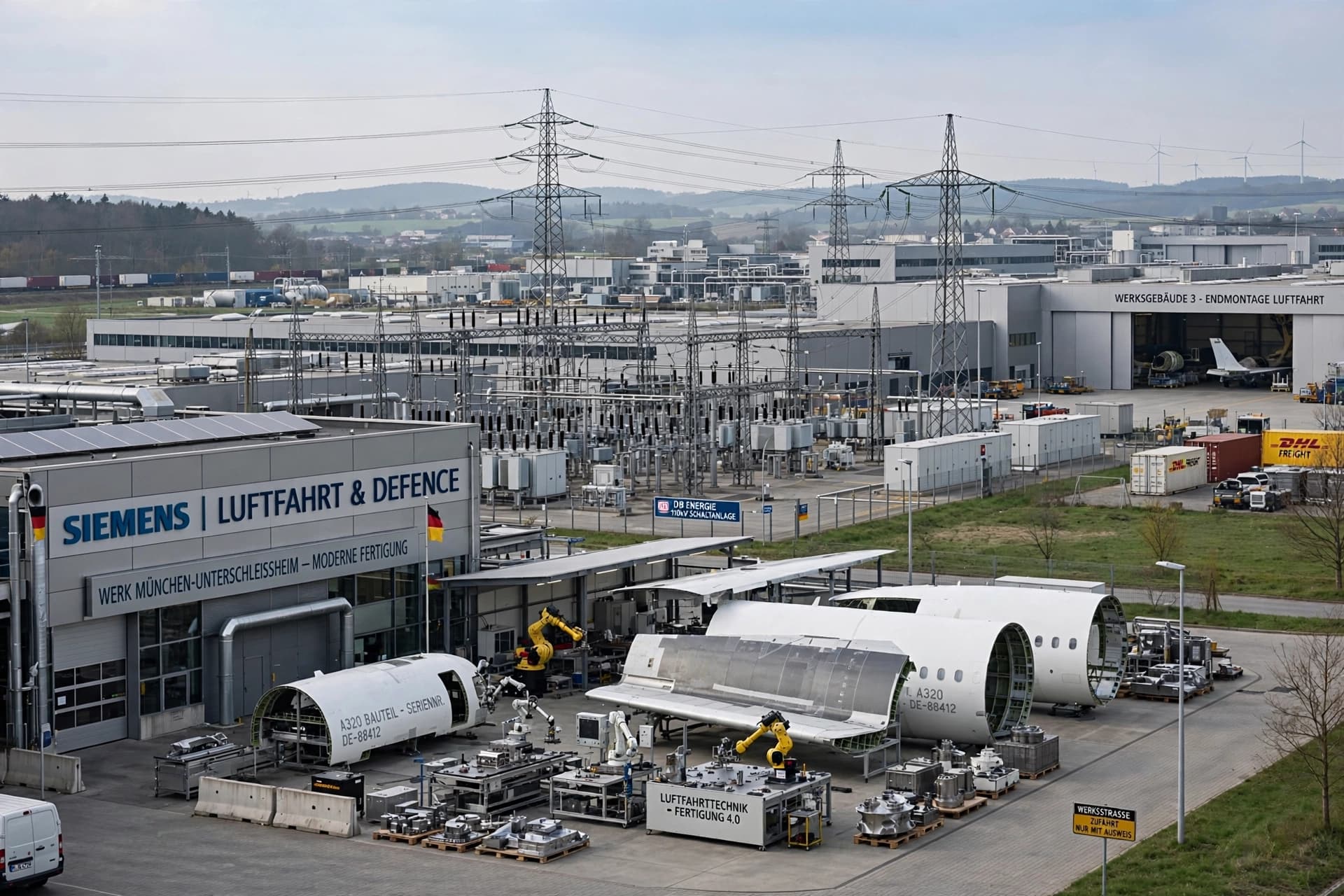
Manufacturing showed a different but still significant pattern. Around 31% of surveyed industrial companies reported using AI, while another 19% said they planned to adopt it. The figures suggest that implementation is spreading, but not at the same pace across the economy.
Research from KPMG in Poland, conducted with Microsoft, provides another view of the transition. It found that 28% of organizations were already using AI tools, while another 30% planned to adopt such solutions within the following year.
The numbers also reveal a gap between adoption and measurement. KPMG reported that 65% of companies using AI were not yet measuring the effectiveness of their tools. In other words, introducing an AI system and understanding its actual contribution remain two different stages of digital transformation.
That distinction becomes important as companies move from simple experimentation toward broader deployment. Artificial intelligence can assist with customer service, marketing, analysis and repetitive administrative work, but organizations still need to determine where the technology produces measurable value and where human involvement remains necessary.
Recent research from SAP Poland also points toward this more cautious approach. Its AI Readiness Index found that most managers were not prepared to give AI complete autonomy over important business processes. Companies showed greater willingness to delegate predictable tasks with clear rules than activities requiring broader judgment or accountability.
Training is becoming part of that transition as well. In the SAP survey, 65% of managers said their organizations provided AI-related training or upskilling programs. That suggests the transformation is not limited to software procurement; employees themselves are being asked to develop new ways of working with digital systems.
The wider picture remains mixed. PEI noted that nearly two-thirds of the companies it surveyed did not use AI and did not plan to implement it within the following year. Differences in survey samples and methodology also make direct comparisons between adoption figures difficult.
For Poland’s business sector, the next stage is therefore less about a single technological leap than about thousands of individual decisions. Some companies are already using AI every day, others are preparing pilot projects, and some remain outside the movement altogether. The technology is spreading, but its final shape inside Polish workplaces will depend on how businesses balance automation, measurement, security, training and human judgment.
Published by Banx Network. This article is part of the Banx decentralized media programme, powered by the BXE token on the XRP Ledger.