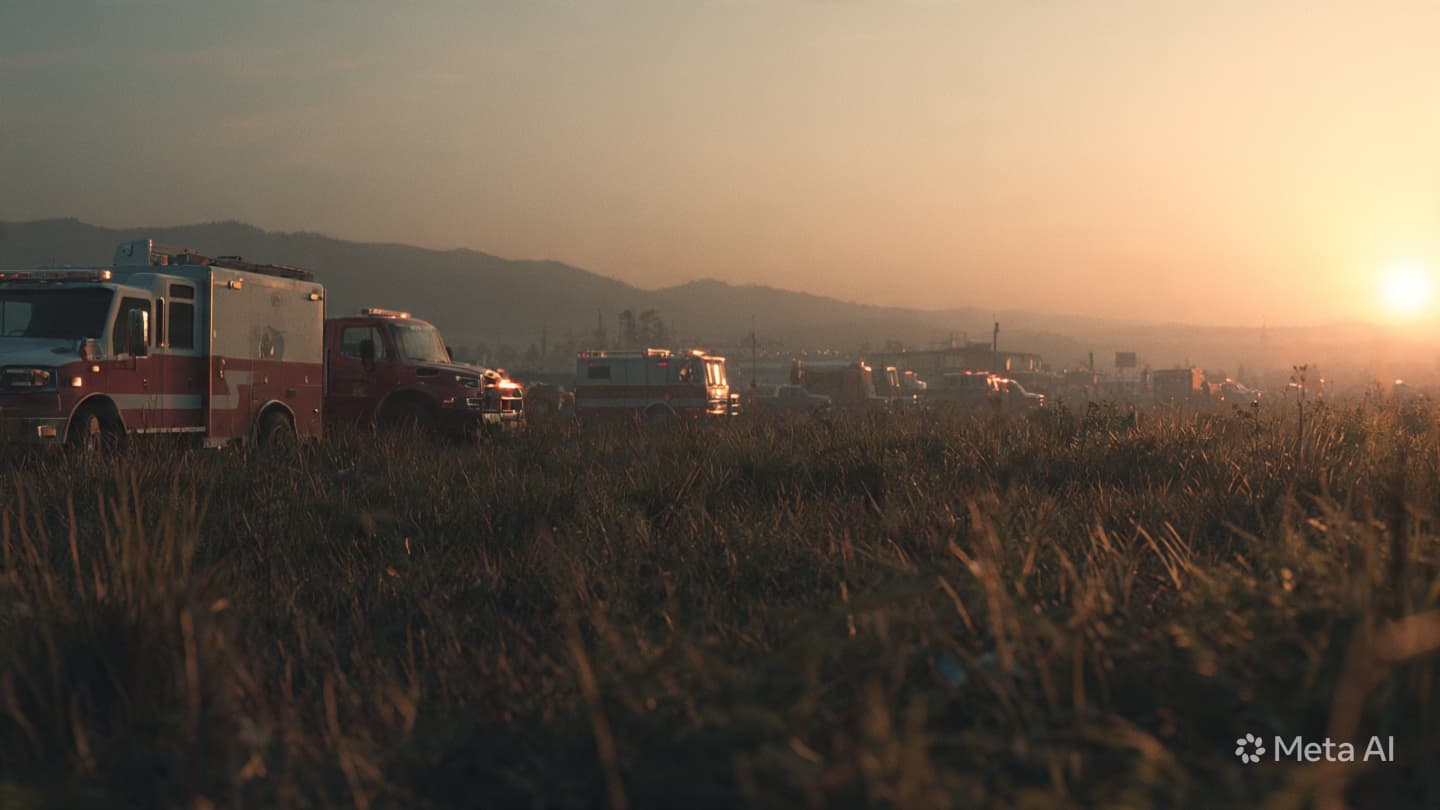
The landscape of our community, so often defined by its calm, was abruptly transformed by the sudden intensity of the events near the railway crossing. In that moment of profound, jarring disruption, the response of our emergency services was a testament to a quiet, steadfast dedication that operates beneath the surface of our daily lives. One watches the reports of their arrival—the swift, synchronized movement of ambulances, the disciplined setup of triage tents, and the steady, focused resolve of those who stood between the chaos of the collision and the dignity of the survivors.
There is a profound, editorial quality to the work of these men and women. Theirs is not a role that seeks the spotlight, but one that demands the utmost precision when the world is unraveling. To observe them is to see the human capacity for composure in the face of the unimaginable. They moved through the wreckage not with the frantic energy of panic, but with the measured, practiced grace of those who have committed their lives to the service of others. It is a reflection of a deeper societal strength, the way we prepare for the worst, and the way we respond with humanity when the worst arrives.
The recognition bestowed upon them is not merely a formality; it is an acknowledgment of the vital, hidden labor that sustains our collective safety. Public officials, in their statements of gratitude, have touched upon a truth that we often forget until we are forced to remember: that our security is maintained by individuals who stand ready to answer the call, regardless of the gravity of the hour. One feels a sense of collective debt, a recognition that the reach of their care extended far beyond the immediate site of the collision.
Reflection here leads one to consider the burden of the responder—the weight of the sights they witness and the intensity of the decisions they must make. They are the ones who hold the threshold between life and loss, and their ability to remain centered is a form of courage that defines our civic life. We see it in the way they supported the families, in the way they coordinated with clinical teams, and in the way they maintained the sanctity of the site. It is a quiet, ongoing story of service that deserves our most profound, observational respect.
The community’s response to these teams has been one of deep, understated appreciation. There is a sense that the thanks being offered are not enough, that the magnitude of their response transcends any gesture of formal praise. Yet, in the simple, shared acknowledgment of their efforts, there is a communal healing that begins. We are recognizing that we are not alone in our challenges, that there are those who stand ready, watchful and prepared, to serve as the pillars of our stability.
As the town begins to find its rhythm again, the presence of these responders remains a part of our shared history. We are a different community now, one that has been tested and one that has seen the caliber of the people who protect us. This is the editorial record of a tragedy: that while we were struck by the fragility of our paths, we were also comforted by the strength of those who answered the call. We move forward with a renewed sense of gratitude, keeping the memories of their service in the quiet corners of our collective memory.
In the final assessment, the honor bestowed upon our emergency services is a celebration of the human spirit. We are a people who value the dedication of those who risk, those who serve, and those who remain steady when the storm breaks. As we continue to process the events near Buggenhout, we do so with the knowledge that we are surrounded by a quiet, dedicated force of professionals whose commitment is the bedrock of our safety. Their work is the story of our resilience, a story told in the measured, tireless cadence of those who save.
Belgian authorities have formally recognized the rapid and professional response of emergency services following the May 26 train collision in Buggenhout. Medical, fire, and police units arrived on the scene within minutes of the initial alert, initiating life-saving triage and securing the site under highly complex conditions. Officials, including the Governor of East Flanders, have praised the coordination between municipal and regional teams, noting that their swift action was critical in providing immediate care to the five survivors. The response remains a subject of national appreciation as the country continues to reflect on the gravity of the event.
Published by Banx Network. This article is part of the Banx decentralized media programme, powered by the BXE token on the XRP Ledger.