From above, Indonesia appears divided by water. Thousands of islands stretch across the equatorial sea, separated by distances that can make a simple connection feel complicated. Beneath that geography, however, another map is being drawn—one made of fiber-optic cables, mobile towers and data centers.
Indonesia has continued expanding its digital infrastructure as internet access becomes increasingly important to commerce, education, healthcare and public services. The government has been developing the Palapa Ring and other connectivity initiatives to extend broadband access beyond the country's largest urban centers.
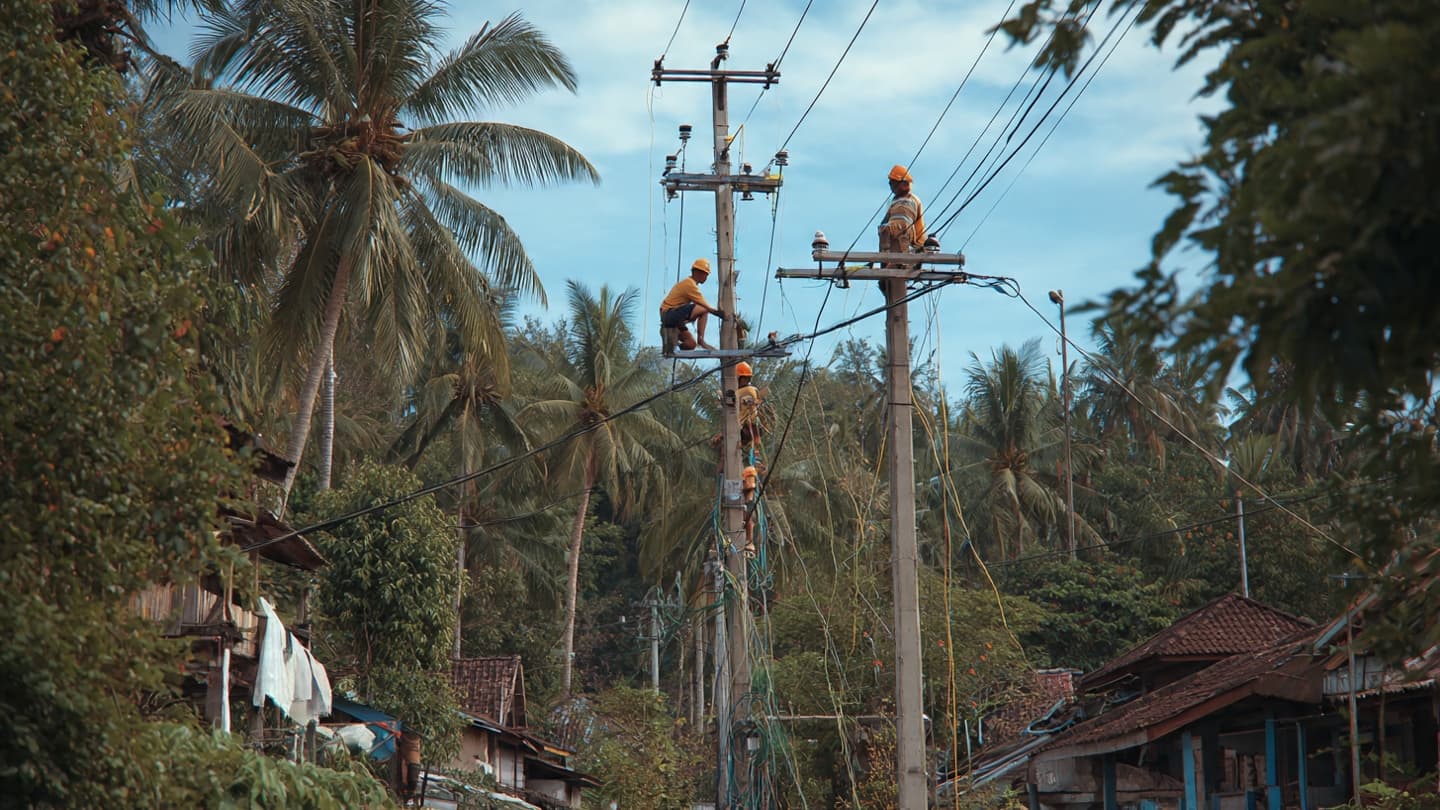
The challenge is partly geographical. Building infrastructure across an archipelago is more complicated than connecting a compact landmass. Cables must cross seas, towers must be constructed in difficult terrain and network operators must maintain equipment across thousands of locations.
The demand for connectivity is nevertheless growing. Indonesia has one of Southeast Asia's largest digital economies, supported by e-commerce, online financial services, digital entertainment and technology startups. As more transactions move online, reliable connectivity becomes less like a luxury and more like basic infrastructure.
Fiber-optic networks form an important part of that foundation. Unlike wireless signals, which depend on towers and spectrum, fiber can carry enormous amounts of data over long distances. Submarine cables are particularly important because they connect Indonesia to international networks and allow information to travel between continents.
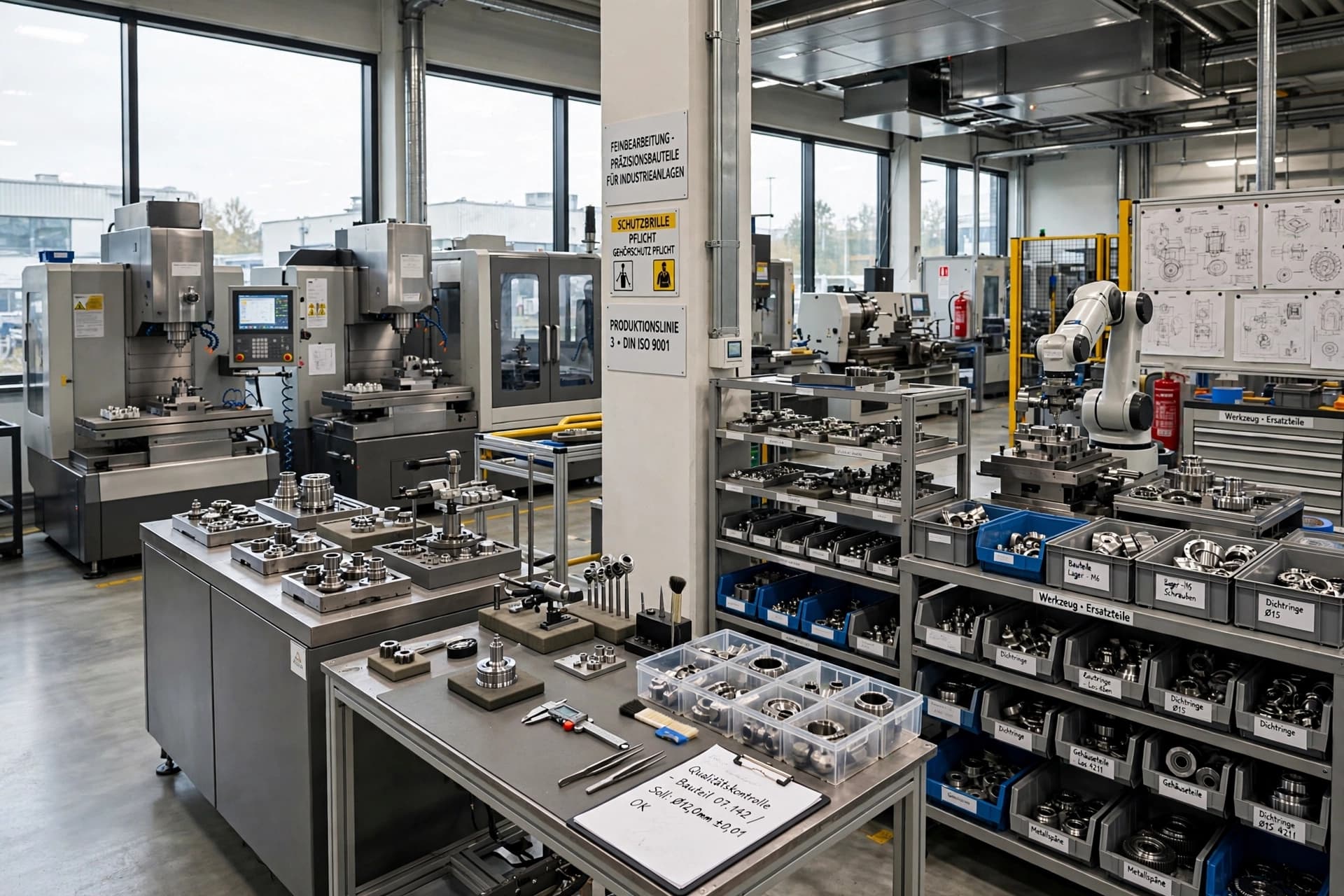
Data centers are another part of the emerging landscape. As companies store more information and operate more online services, computing facilities are becoming increasingly important. Indonesia's large population and growing digital economy have attracted investment from technology and cloud-service companies seeking regional capacity.
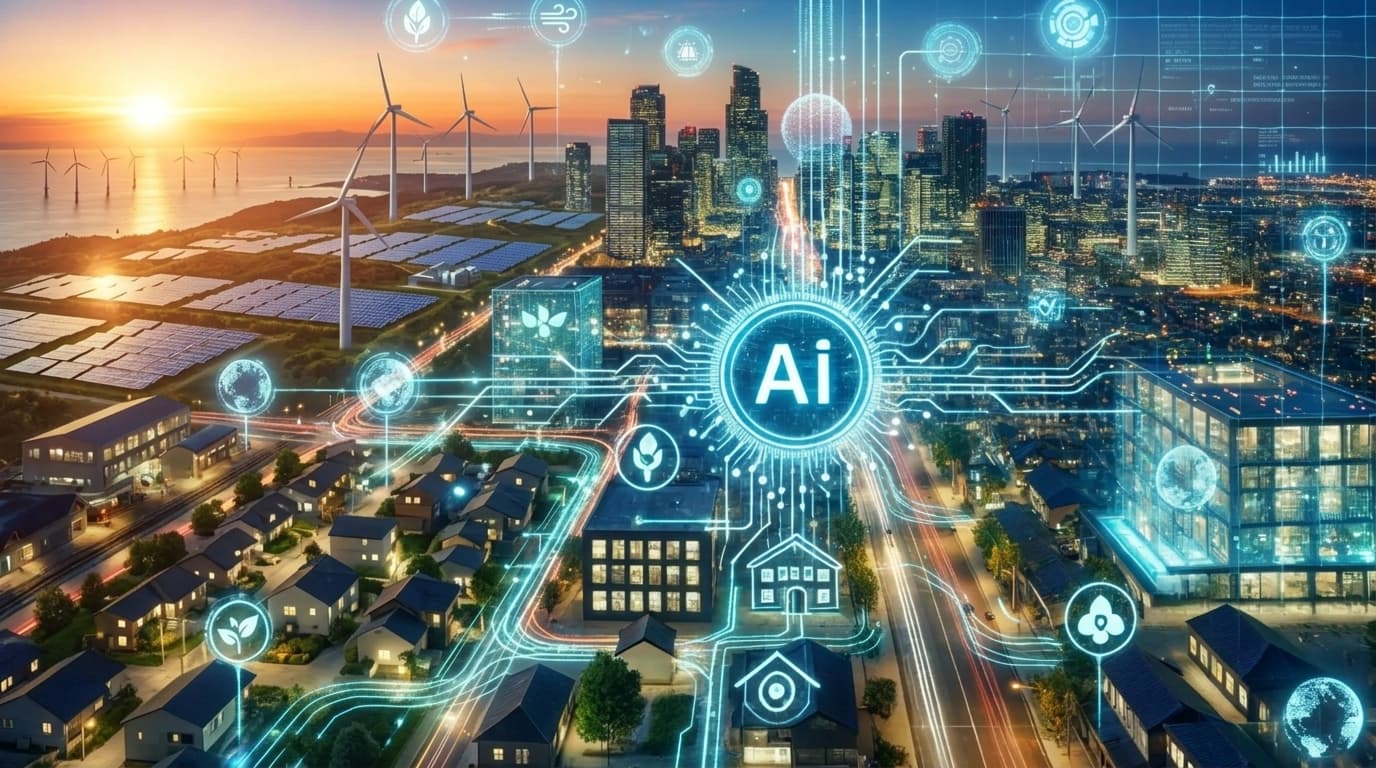
The expansion is also closely connected to artificial intelligence. AI applications require significant computing resources and high-speed networks to move data between users and processing facilities. As Indonesian businesses begin using AI more extensively, demand for reliable digital infrastructure is likely to grow alongside it.
But infrastructure alone does not guarantee equal access. Affordability, digital literacy and the availability of local services remain important. A fast connection can change very little if households cannot afford devices or businesses lack the skills to use online tools effectively.
The regional differences remain visible. Major cities such as Jakarta, Surabaya and Bandung have much denser digital ecosystems than many remote communities. Connecting those communities requires more than simply extending cables; it requires investment in the people and institutions that will use the infrastructure.
Indonesia's digital transformation is therefore a story of physical and invisible construction happening at the same time. Beneath the sea, cables carry information between continents. Across cities and villages, networks connect people to services and markets. The country's next digital chapter will depend on how widely those connections can reach and how effectively they can be turned into everyday opportunity.
SEO-friendly Slug indonesia-digital-infrastructure-broadband-fiber-optic-data-centers
Hashtags #Indonesia #Technology #DigitalEconomy #Internet #Broadband #DataCenters #Connectivity
Image Disclaimer These illustrations were produced using AI and are intended solely as visual interpretations of Indonesia's digital infrastructure development.
Sources Ministry of Communication and Digital Affairs Republic of Indonesia World Bank International Telecommunication Union
Published by Banx Network. This article is part of the Banx decentralized media programme, powered by the BXE token on the XRP Ledger.