
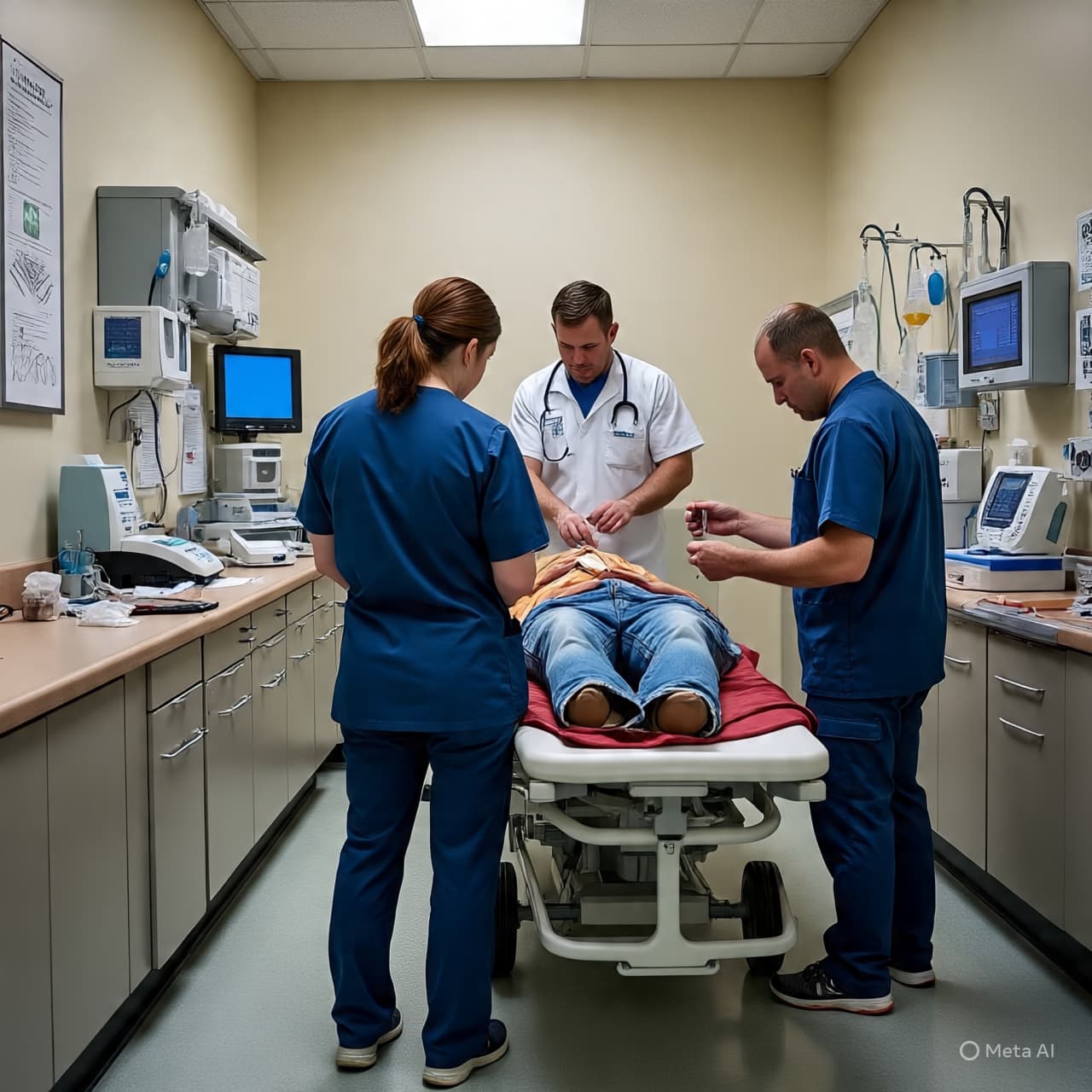
They move almost silently through Sydney’s streets, gliding past traffic with the ease of assisted motion. E-bikes have reshaped commutes and deliveries, offering speed without sweat, efficiency without petrol. Yet inside one of the city’s busiest trauma centers, another pattern has been forming — one measured not in kilometers traveled, but in fractures, ruptures, and recovery times.
Doctors at a major Sydney hospital report that serious e-bike injuries have doubled in the past year. What was once an occasional case has become a steady presence in emergency departments: riders arriving with broken ribs, internal bleeding, ruptured bowels, and complex fractures requiring surgery. Trauma specialists describe an increase not only in numbers but in severity.
The injuries, clinicians say, often stem from the higher speeds e-bikes can reach compared to traditional bicycles. Collisions with cars, abrupt impacts with curbs, and sudden loss of control can generate forces closer to those seen in motorcycle crashes than pedal-bike tumbles. In some cases, patients have required intensive care, with blunt abdominal trauma leading to internal organ damage that is not immediately visible at the scene.
Medical staff note that helmet use remains inconsistent, and protective gear beyond helmets is rare. While helmets reduce the risk of head injury, they do little to prevent thoracic or abdominal trauma in high-velocity crashes. Surgeons have reported treating multiple rib fractures, collapsed lungs, and injuries to the liver and intestines — conditions that demand rapid intervention.
The surge reflects broader shifts in urban mobility. E-bikes have become popular among commuters seeking alternatives to congested roads and among delivery riders navigating tight deadlines. Their accessibility — often requiring less physical exertion — has widened the demographic of riders, including those with limited cycling experience.
Road safety advocates argue that infrastructure has not kept pace with the technology. Shared paths, traffic conditions, and unclear regulations around speed limits can create unpredictable environments. Authorities continue to review enforcement measures and public education campaigns, emphasizing helmet compliance and safe riding practices.
For hospital staff, the trend is measured less in policy debates than in patient charts. Each case carries its own arc — the moment of impact, the rush to emergency care, the long rehabilitation that may follow. As e-bikes become fixtures of city life, doctors warn that awareness must evolve alongside adoption.
The promise of faster, cleaner travel remains compelling. But in trauma wards across Sydney, the consequences of that speed are becoming harder to ignore. Between convenience and caution lies a delicate balance, one that cities and riders alike are still learning to navigate.
AI Image Disclaimer
Visuals are AI-generated and serve as conceptual representations.
Sources
The Sydney Morning Herald ABC News Australia NSW Health Royal Prince Alfred Hospital Statements
Published by Banx Network. This article is part of the Banx decentralized media programme, powered by the BXE token on the XRP Ledger.


.jpg&w=3840&q=75 "Blake Lively Awarded $400,000 in Legal Fees After Justin Baldoni Lawsuit Dismissed")