Opening In the soft twilight of what once was called globalization, the world’s trade winds seem to shift with subtle intent, much like a changing breeze that reshapes a familiar landscape without announcing its passage. From the skyways above trade routes to the quiet hum of sorting hubs, the narrative of global commerce is being rewritten. At the helm of this reflection stands Raj Subramaniam, the chief executive of FedEx, observing that the old contours of a unified global economy are giving way to new kinds of connectivity — a period he and others describe as an era of re-globalization where patterns, partnerships and priorities are all being reconsidered.
Body When Subramaniam talks about re-globalization, he is capturing a moment in the evolution of trade that many business leaders are quietly acknowledging: the world’s economic map is no longer defined solely by the seamless, borderless flow of the late 20th and early 21st centuries, but by more nuanced networks and relationships that reflect technology, policy and regional dynamism. This idea is not merely academic — it emerges from the lived reality of moving tens of millions of packages each day across continents, oceans and regulatory systems.
In recent discussions and interviews, Subramaniam has noted the shifting patterns of global trade, where traditional routes are reshaped by tariffs, strategic policy decisions and the pursuit of supply chain resilience. Rather than seeing globalization as a single, unbroken thread that binds all markets together, he evokes a more textured view: one in which these threads are rewoven to reflect changing demand, geopolitical currents and technological advances. This perspective resonates with broader observations from economic forums that global integration is evolving — not disappearing — into new forms of interconnected growth.
For a company like FedEx, which touches nearly every corner of global commerce through its vast air and ground network, these shifts are not abstractions. They inform decisions about where to invest, how to structure logistics and how to partner across regions. The chief executive’s emphasis on agility and adaptation reflects a careful awareness that trade flows, once predictable in their rhythms, are now more responsive to the broader world’s rhythms — from tariff changes to the expanding economic influence of emerging markets.
At the same time, the term re-globalization suggests an intention to preserve the connective tissue of global trade, even as it transforms. Subramaniam’s vision for FedEx includes leveraging data and technology to make supply chains smarter, blending digital insight with the physical flow of goods to navigate a world that is both more complex and more interconnected. The narrative here is one of continuity — acknowledging the legacy of an integrated global economy — and of change, welcoming the emergence of diversified routes of cooperation and exchange.
In this evolving era, policymakers, corporations and communities alike are confronted with the challenge of shaping systems that are resilient, equitable and responsive. The path forward, as seen from the vantage point of a logistics leader, is neither a return to a nostalgic globalization nor a retreat into isolation, but a thoughtful reimagining of how nations and markets can connect in ways that honor both local needs and global possibilities.
Closing FedEx’s chief executive Raj Subramaniam has articulated a vision of re-globalization in response to changing trade patterns, geopolitical shifts and the technological reinvention of supply chains. His comments reflect broader industry perspectives that global commerce is evolving rather than contracting, shaped by regional dynamics and strategic responses to market forces. As global trade stabilizes into these emerging contours, businesses and governments are adapting strategies to align with more diversified and resilient economic connections, indicating a continued commitment to global engagement through a refreshed lens.
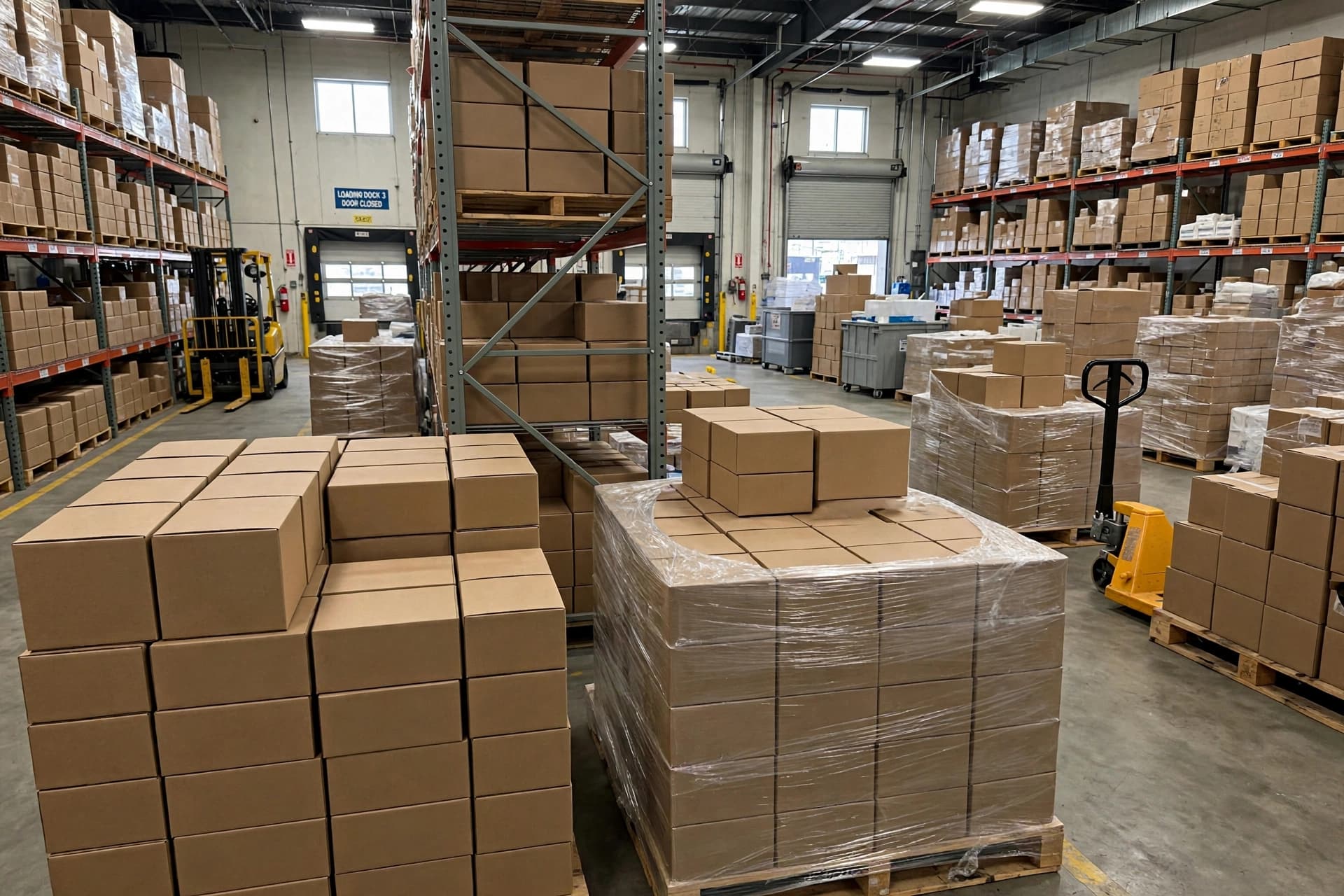
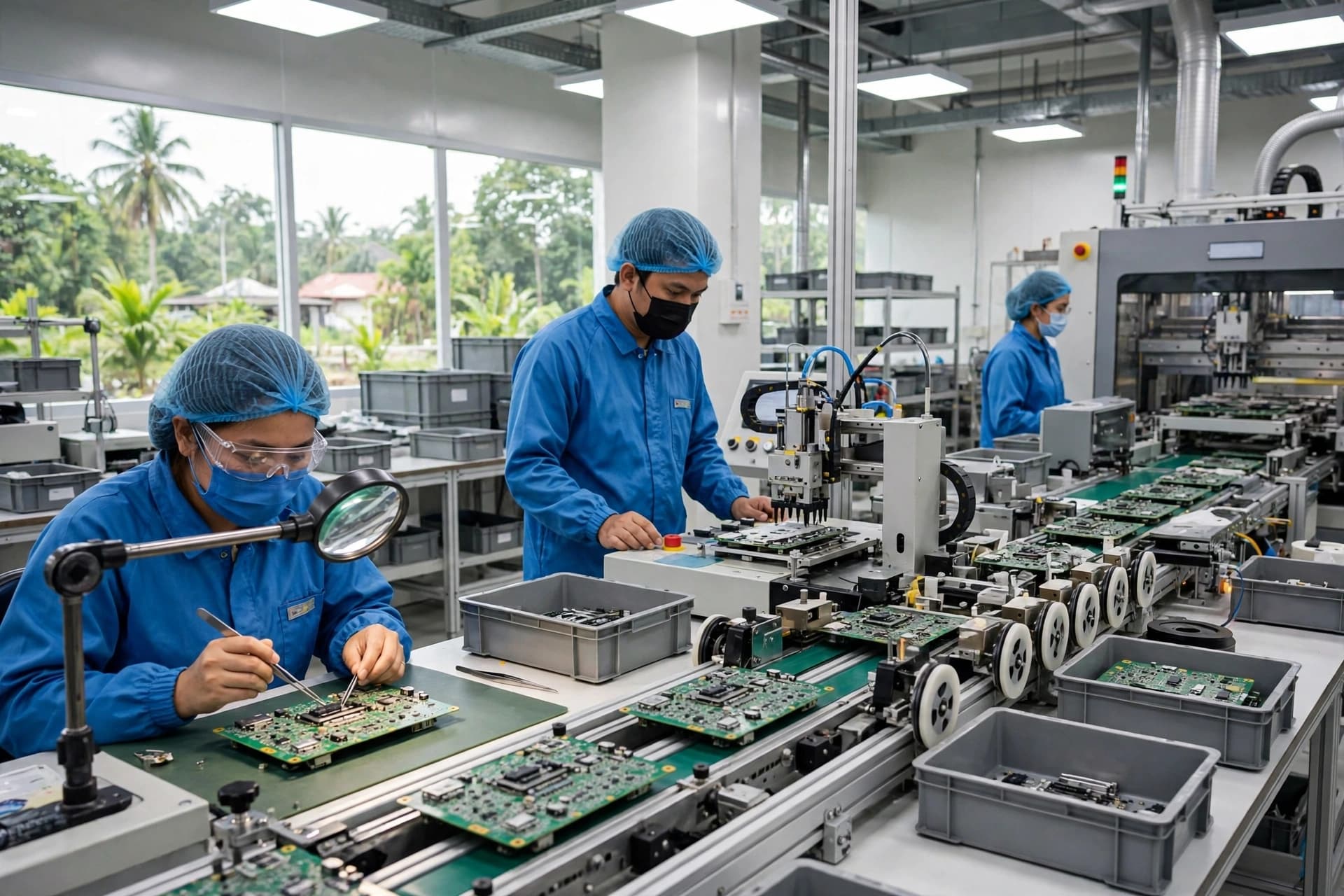
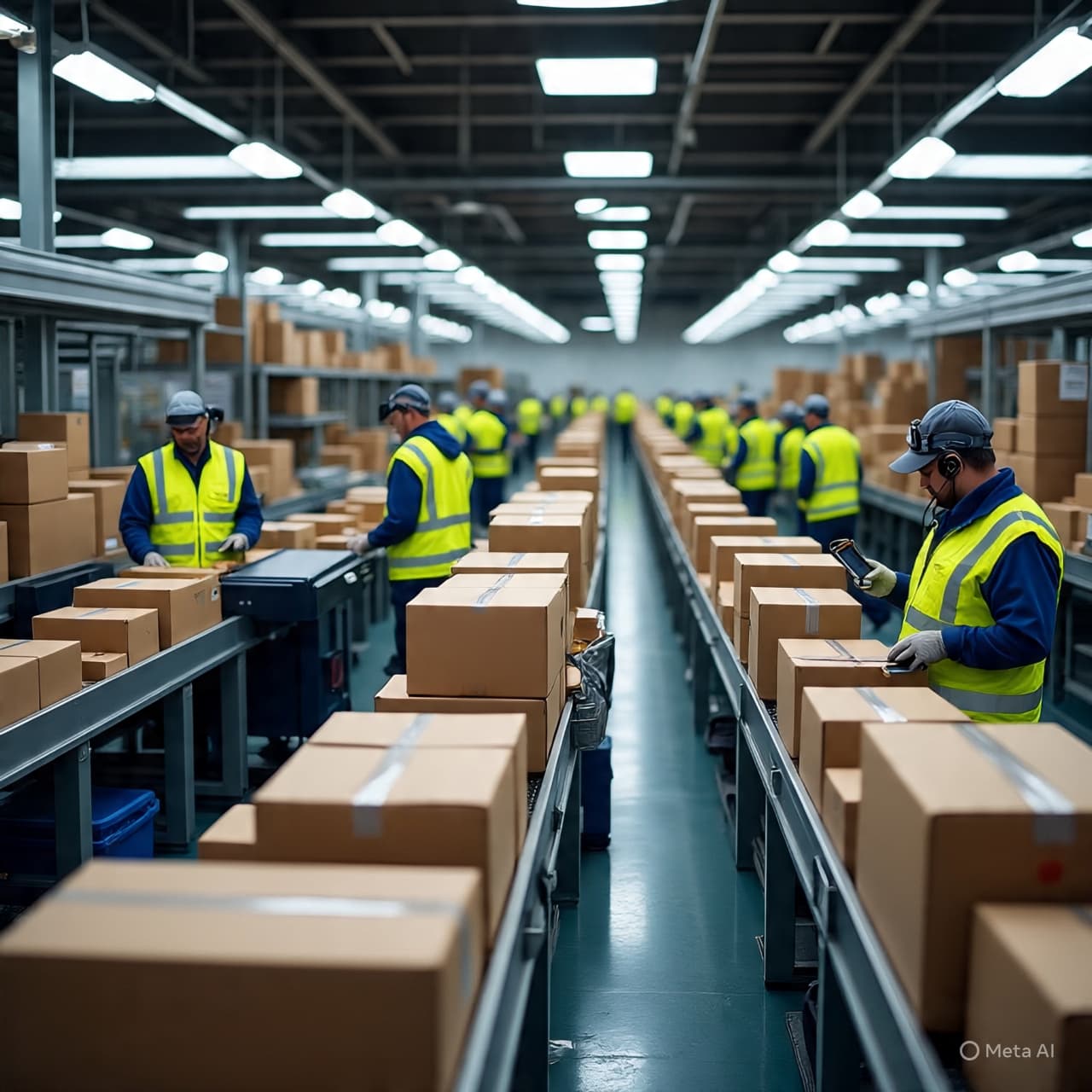
AI Image Disclaimer Illustrations were produced with AI and serve as conceptual depictions.
Source Check — Credible Media Covering This Topic
1. Times of India (via Financial Express cited) — reports FedEx CEO Raj Subramaniam using the term “re-globalisation” to describe shifting trade patterns and his comments on global commerce. 2. Channel News Asia (CNA) — coverage of Subramaniam talking about changing globalisation trends, trade and supply chains. 3. PressNewsAgency — reporting on FedEx CEO’s comments on evolving trade and supply conditions. 4. Semafor — background on supply chain shifts and complexity noted by Subramaniam. 5. Federal Express leadership profile — context on Subramaniam’s role and global scope of FedEx operations.
Published by Banx Network. This article is part of the Banx decentralized media programme, powered by the BXE token on the XRP Ledger.