
Key Highlights
- Urban property sector in China is experiencing a shift towards stability.
- Government interventions aim to support developers facing liquidity issues.
- Buyers are adopting a more cautious approach in their purchasing decisions.
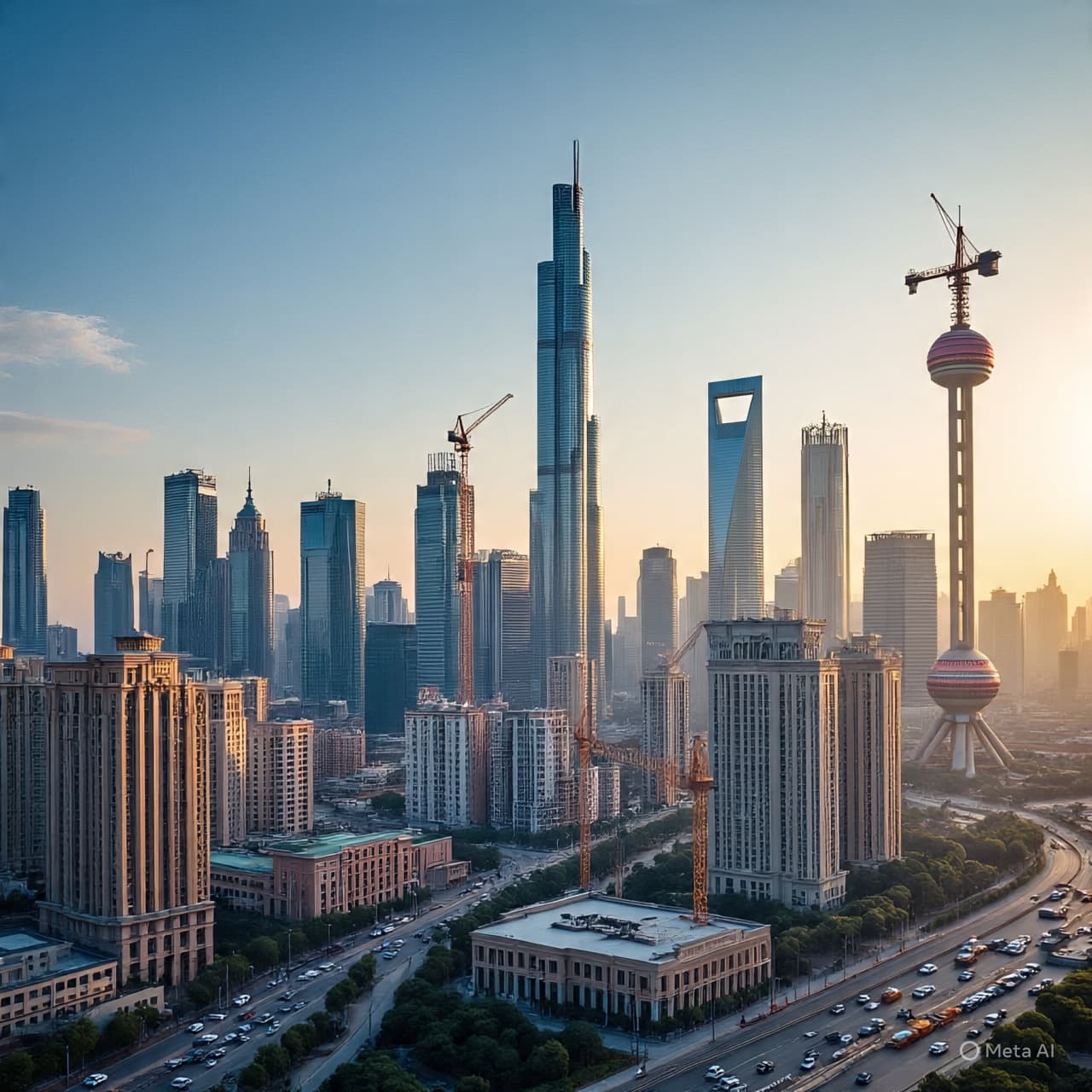
China's vast urban landscapes awaken each morning under a blanket of muted stillness. Towering structures rise into the haze, their outlines softened by distance, embodying both monumental ambition and an air of uncertainty. In various districts, cranes stand motionless, suspended mid-task, as if pausing to consider their next move in a landscape that has shifted dramatically.
For years, the property sector in China was a beacon of momentum—characterized by rapid expansion, continuous construction, and an expectation that growth was not only anticipated but inevitable. However, this rhythm has noticeably slowed. The change has not been abrupt, but it is palpable, marking a significant transition in the industry.
In response to the challenges faced by developers, the Chinese government has implemented a series of financial support mechanisms, policy adjustments, and targeted interventions aimed at stabilizing the sector. These measures do not erase the past but create a necessary space for recalibration. The focus has shifted from aggressive expansion to the completion of existing projects, emphasizing the importance of delivering on promises made to buyers.
Developers, once driven by the scale of their ambitions, are now prioritizing the delivery of completed buildings over new ventures. This shift represents a quieter form of progress—less visible but equally important in the context of urban development. The emphasis on fulfilling existing commitments reflects a more cautious approach to growth, one that acknowledges the complexities of the current market environment.
Buyers, too, are adapting to this new reality. Confidence, which was once taken for granted, is now returning gradually. Decisions are made with greater care, influenced by both opportunities and uncertainties in the market. Transactions continue, but the pace is characterized by deliberation rather than urgency, indicating a shift in consumer sentiment.
The implications of these changes extend beyond individual transactions. The real estate sector remains intricately linked to China's broader economic framework, impacting financial institutions, local government revenues, and household wealth. Stabilizing the property market is not merely about construction; it is about maintaining balance within a complex economic system that relies heavily on real estate.
Despite the challenges, the skyline has not fallen silent. Work continues, albeit in measured increments. Materials are delivered, workers return to sites, and projects advance step by step. The market, in this transitional phase, is neither collapsing nor surging; it is adjusting—finding a new equilibrium shaped by lessons learned and evolving conditions.
In this adjustment lies a different kind of resilience. It is not the rapid ascent of the past but a slower, more deliberate movement towards stability, reflecting a deeper understanding of the market's dynamics and the need for sustainable growth.
Published by Banx Network. This article is part of the Banx decentralized media programme, powered by the BXE token on the XRP Ledger.



