
Key Highlights
- Indonesia is integrating artificial intelligence into public services.
- The government plans to enhance efficiency in various sectors.
- AI applications face challenges due to the country's diverse geography.
Indonesia is witnessing a significant shift in the application of artificial intelligence (AI), moving from experimental phases in laboratories and technology conferences to practical implementations in everyday public programs. This transition reflects a growing recognition of AI as a vital component of national infrastructure, aimed at improving efficiency and decision-making across various sectors.
According to reports from Reuters, the Indonesian government is actively preparing to incorporate AI into several strategic initiatives. These plans encompass a wide range of public services and large-scale government projects, signaling a broader effort to leverage digital technology for enhanced operational efficiency. One notable area of focus is the country's extensive free-meal program, where AI could play a crucial role in logistics, data management, supply planning, and monitoring. This initiative involves a complex network of schools, suppliers, kitchens, and distribution channels, making the integration of AI particularly beneficial.
The geographical diversity of Indonesia presents unique challenges for implementing AI solutions. The archipelago consists of thousands of islands, each with varying levels of infrastructure, connectivity, and access to digital services. A system that functions seamlessly in urban centers like Jakarta may require significant adjustments to be effective in remote areas. This complexity underscores the need for tailored AI applications that can adapt to local conditions and requirements.
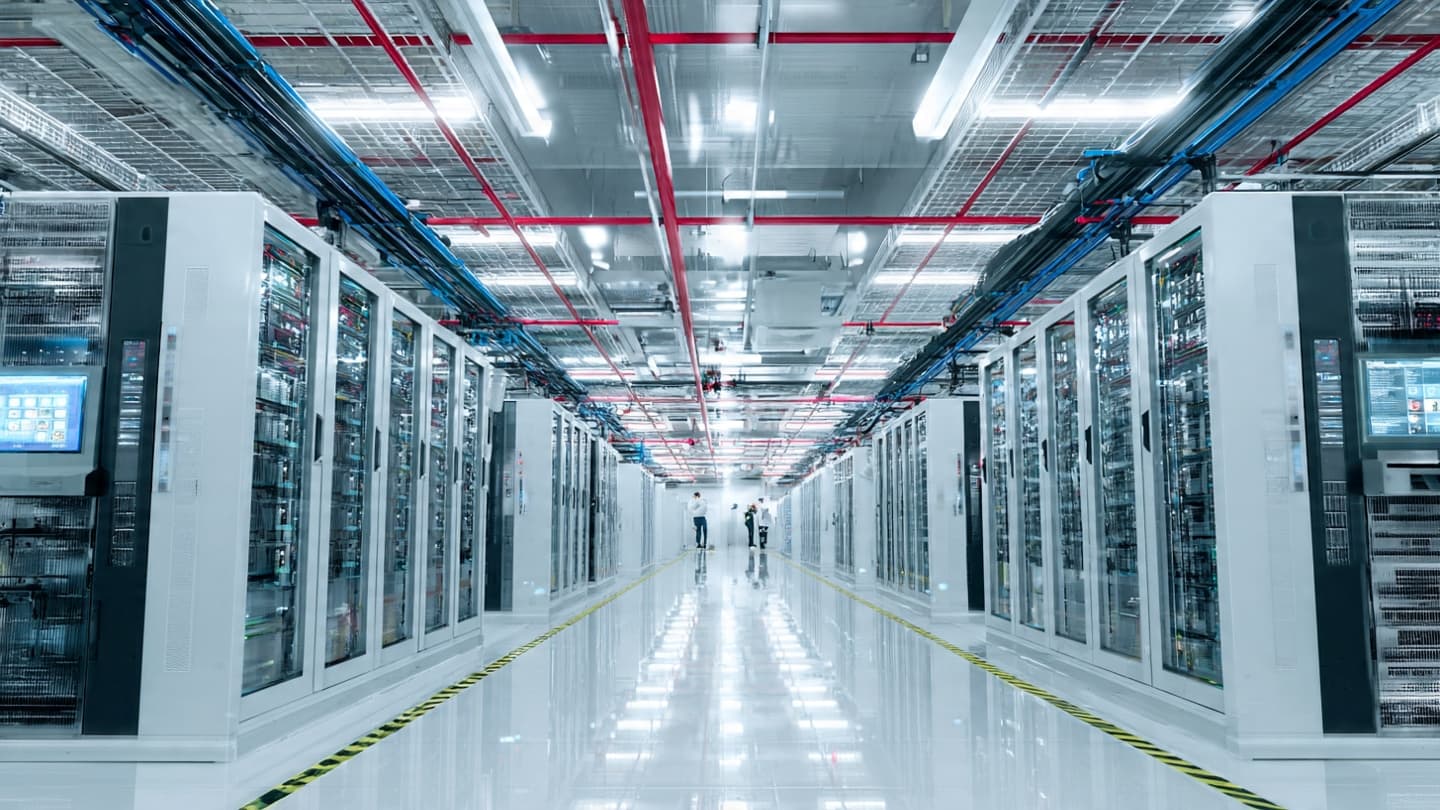
In addition to specific programs, the Indonesian government is also focused on developing a robust AI infrastructure. Previous initiatives have included plans to expand data centers and enhance the digital ecosystem necessary for supporting AI development. This infrastructure investment encompasses critical areas such as computing capacity, electricity supply, telecommunications, cybersecurity, and the cultivation of skilled personnel. Such foundational elements are essential for the successful deployment of AI technologies across the nation.
The potential advantages of AI extend beyond government initiatives. Businesses in Indonesia stand to benefit significantly from AI applications in customer service, logistics, agriculture, financial services, manufacturing, and education. Even minor improvements in these sectors, when scaled across millions of transactions, could lead to substantial gains in productivity and economic growth.
However, the realization of these benefits is contingent upon several factors. AI systems require reliable data, a strong digital infrastructure, trained personnel, and appropriate safeguards to function effectively. Without these foundational elements, even the most advanced AI software may struggle to deliver meaningful results. Moreover, accessibility remains a pressing concern. Indonesia's digital transformation must reach communities with varying levels of technological capacity and connectivity, ensuring that the advantages of AI are equitably distributed across the country's diverse economic and geographic landscape.
As it stands, Indonesia's AI agenda is still evolving. The government is making strides toward greater integration of artificial intelligence, while the technology sector continues to develop the necessary infrastructure to support these efforts. The future of AI in Indonesia will be measured not just by policy announcements but by the practical implementation of these systems as reliable tools in the daily operations of both public and private sectors.
AI Image Disclaimer: The accompanying visuals were created with AI as conceptual representations of Indonesia’s developing artificial-intelligence infrastructure.
Published by Banx Network. This article is part of the Banx decentralized media programme, powered by the BXE token on the XRP Ledger.



