There is something quietly strange about the idea of an algorithm sitting behind an ordinary lunch table. Yet that is where Indonesia's emerging artificial intelligence plans are beginning to point: not only toward laboratories and technology companies, but toward kitchens, clinics, schools and other places where public services meet everyday life.
Indonesia is preparing a framework to integrate artificial intelligence into several government programs between 2026 and 2029. According to Reuters, the proposed roadmap includes applications in a large-scale free meals initiative, health screening and other priority programs, reflecting a broader ambition to make AI part of public administration.
In the meals program, AI could be used for tasks such as developing menus suited to different regions, monitoring food safety and forecasting demand. Those applications may sound technical, but their consequences would ultimately appear in very ordinary forms: what food is prepared, how much is needed and how efficiently supplies move from one place to another.
The proposal is part of a wider effort to use digital technology to improve government services. Indonesia's plan also includes discussion of a sovereign AI fund and incentives for research, while government bodies would be expected to consider risks associated with technologies such as biometric systems and deepfakes.
The country's ambitions arrive alongside a practical constraint. Artificial intelligence requires more than software. It depends on reliable infrastructure, computing capacity, data systems and people capable of designing, operating and evaluating the technology. Reuters reported that Indonesia still faces gaps in infrastructure and a shortage of skilled AI professionals.
That gap creates an interesting contrast between aspiration and implementation. A sophisticated model can make predictions in a fraction of a second, but its usefulness depends on the quality of the information entering the system and the human institutions responsible for acting on its output. Technology can accelerate a process, but it cannot automatically make the process itself sound.
Indonesia is also becoming part of a larger regional movement toward AI adoption. Technology companies have shown interest in the country's expanding digital economy, while Microsoft has pledged substantial investment in AI infrastructure. The presence of international companies suggests that Indonesia's AI ambitions are being viewed not only as a domestic technology project, but as part of a broader economic transformation.
For ordinary citizens, however, the transition may be difficult to see at first. AI rarely announces itself when it works quietly in the background. It may appear instead as a more accurate forecast, a different screening process at a health facility or a supply system that adjusts before shortages become visible.
The proposed roadmap still requires further development and approval, meaning many of its intended applications remain plans rather than established services. What is becoming clearer is the direction: Indonesia is considering AI not simply as a tool for technology companies, but as infrastructure that could eventually sit inside public systems. The next stage will be measured less by the language of innovation than by how reliably those systems function in daily life.
SEO-friendly slug: indonesia-artificial-intelligence-public-programs-ai-roadmap
Hashtags: #Indonesia #ArtificialIntelligence #AI #Technology #HealthTech #DigitalTransformation #Innovation
Image Disclaimer
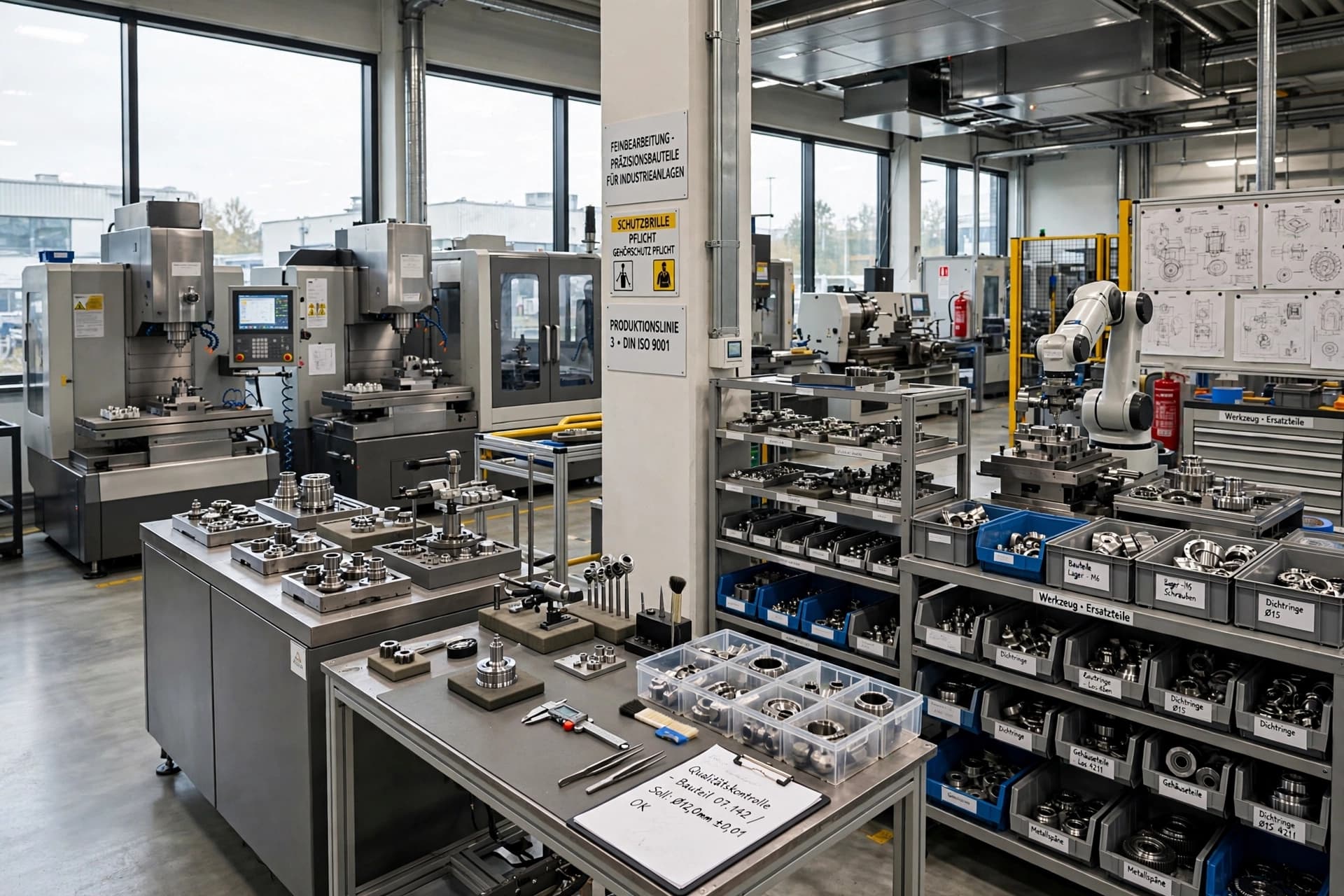
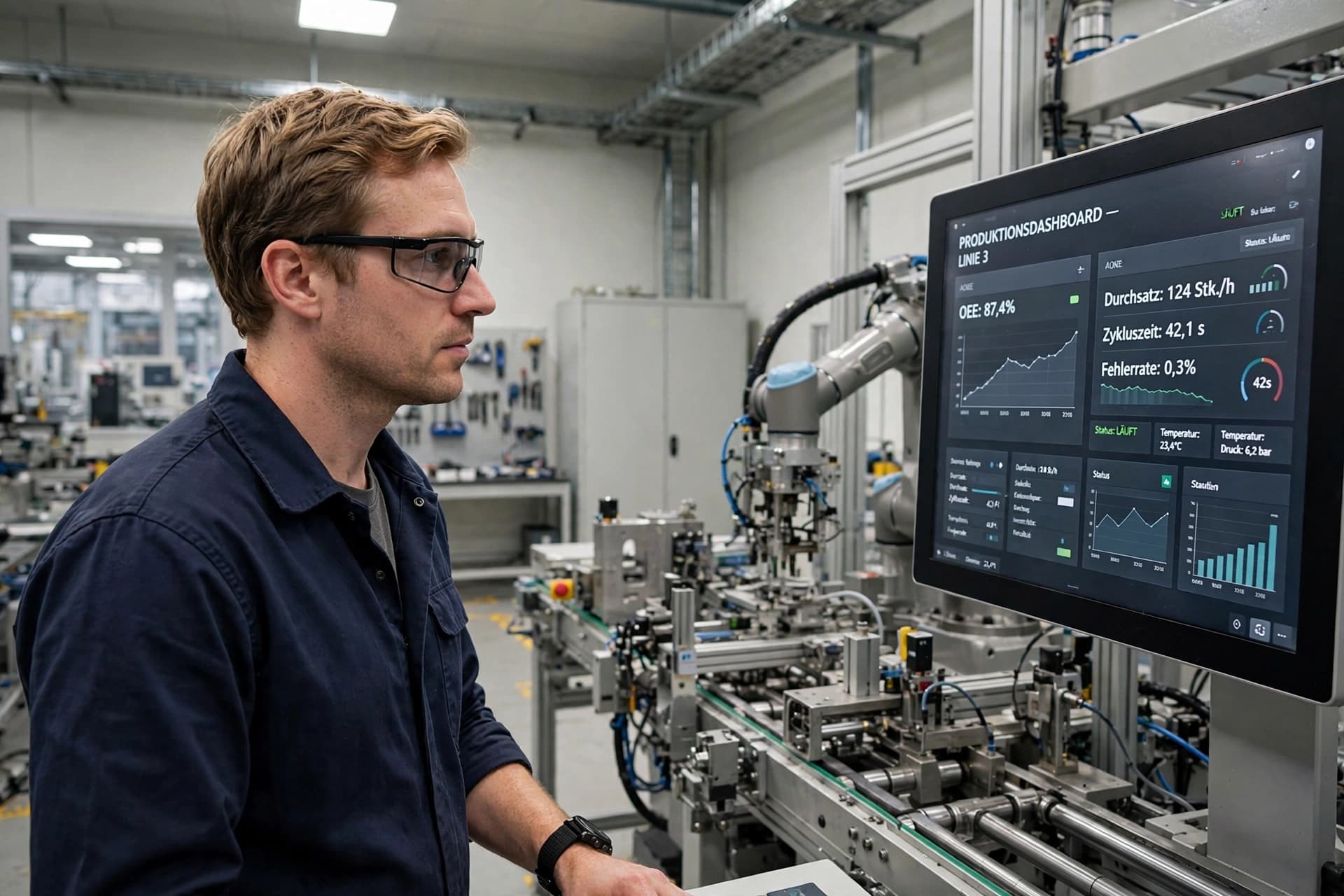
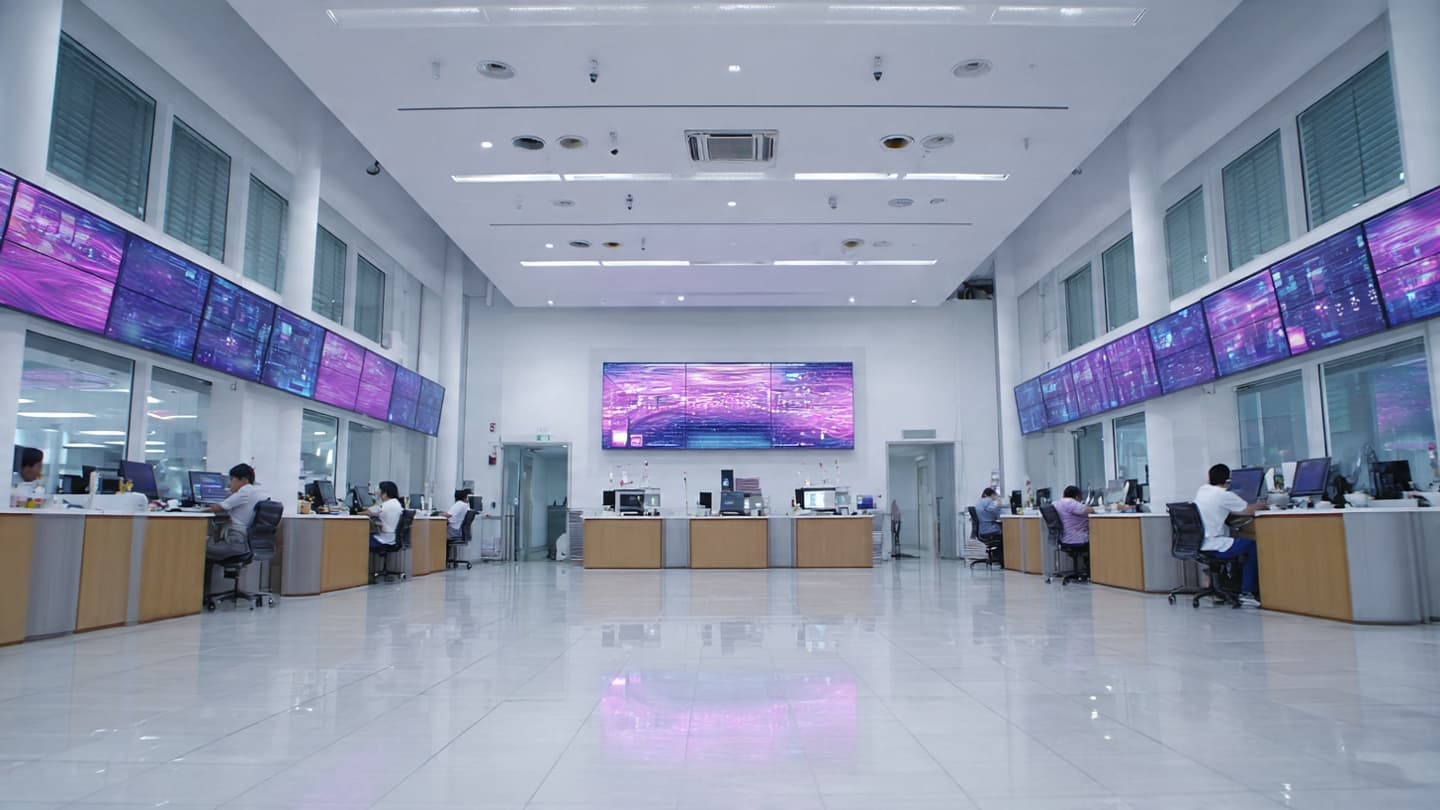
AI-generated illustrations are conceptual representations created to visualize the reported developments and are not actual photographs.
Sources
Reuters
Published by Banx Network. This article is part of the Banx decentralized media programme, powered by the BXE token on the XRP Ledger.

.jpg&w=3840&q=75 "The Artemis Revolution: How NASA Plans to Build Humanity's Future on the Moon")