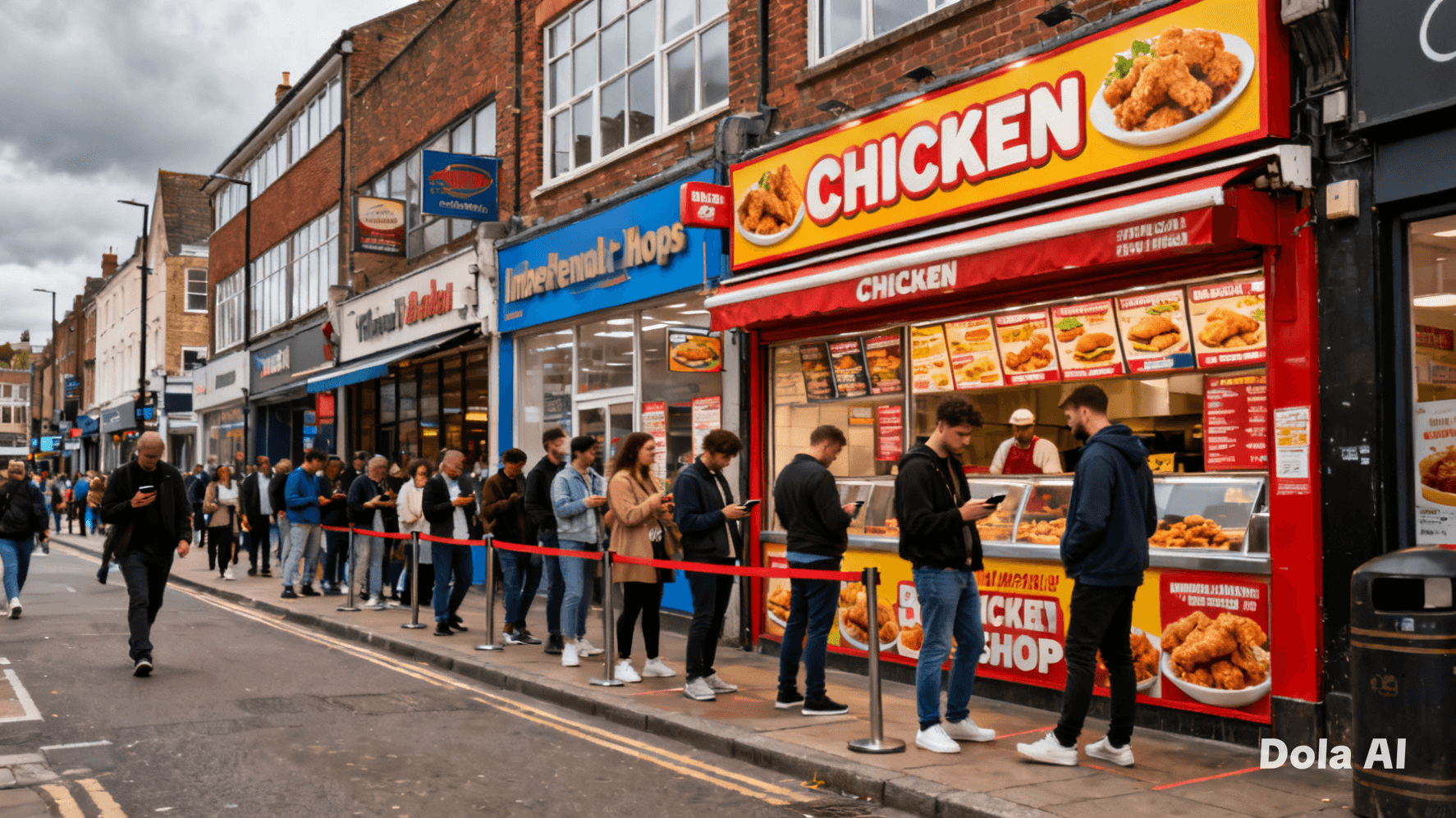
In the swirl of urban life, few scents evoke immediate recognition quite like the aroma of freshly fried chicken — rich with spice, warm with familiarity and carried down high streets from north London to the industrial towns of northern England. For many in Britain, this smell isn’t just a food smell; it is a smell of gatherings, of affordable meals after school or work, of weekend treats and shared plates. Over the past half‑century, fried chicken has moved from a novelty brought by international chains to something deeply woven into everyday life, prompting a quiet transformation on British menus and pavements alike.
The story begins not in Britain but in the kitchens of southern America, where battered and fried chicken became a beloved staple long before the rest of the world took note. That culinary tradition was later exported globally, and in 1965 Kentucky Fried Chicken (KFC) opened the first British outlet on Fishergate High Street in Preston, years before many American fast food brands arrived here. That humble debut marked the start of a wider embrace of fried chicken on these shores.
By the 1980s, indigenous chicken chains like Morley’s — founded in south‑east London — began cropping up, offering battered chicken with chips at prices accessible to many. Morley’s grew into a fixture of urban life, becoming synonymous with local culture and community moments: after‑school snacks, late‑night meals and affordable takeaways that fit into busy working lives.
The rise of these chicken shops was tied not just to flavour but to context. During and after the global financial crisis, economic pressures made cheap, filling meals particularly appealing; fried chicken offered a satisfying plate at a modest price where other meals might cost more. Such shops proliferated on high streets and in neighbourhoods, sometimes clustering so densely that London streets earned nicknames jokingly tied to chicken shops.
Fried chicken’s expansion also echoes broader changes in British taste and culture. Surveys in recent years have found that a substantial proportion of Britons now prefer fried chicken over traditional favourites like fish and chips, and many eat it weekly, reflecting how the dish has moved beyond novelty into the mainstream of British eating habits.
Yet this transformation isn’t solely a matter of convenience and cost. A thriving and diverse food scene has encouraged experimentation — from American‑style franchises to local independent outlets, and even Korean‑inspired chains expanding rapidly across the UK. The result is a culinary landscape where fried chicken appears in late‑night restaurants, festival stalls and high‑end menus alongside classic takeaway shops.
For many, this trend touches something deeper than appetite alone. The culture of gathering around shared plates, the affordability that fits into everyday life and the way fried chicken fits into celebrations and routines have all made it feel like part of the nation’s culinary identity. Perhaps most striking is how such a simple food has taken on layers of meaning — as comfort, identity and even community ritual — in towns and cities from Edinburgh to Bristol.
In this ongoing story of taste and time, Britain’s journey with fried chicken reflects not just changing menus, but changing lives — where the crisp of batter, the warmth of a shared meal, and the familiarity of a high‑street chicken shop have together helped shape a modern culinary tradition.
AI Image Disclaimer (Rotated Wording) “Illustrations were produced with AI and serve as conceptual depictions.”
Sources Morley’s and UK chicken shop growth data KFC UK first outlet history Survey on UK fried chicken preferences Analysis of chicken shop proliferation and boom Expansion of chicken food culture in the UK
Published by Banx Network. This article is part of the Banx decentralized media programme, powered by the BXE token on the XRP Ledger.