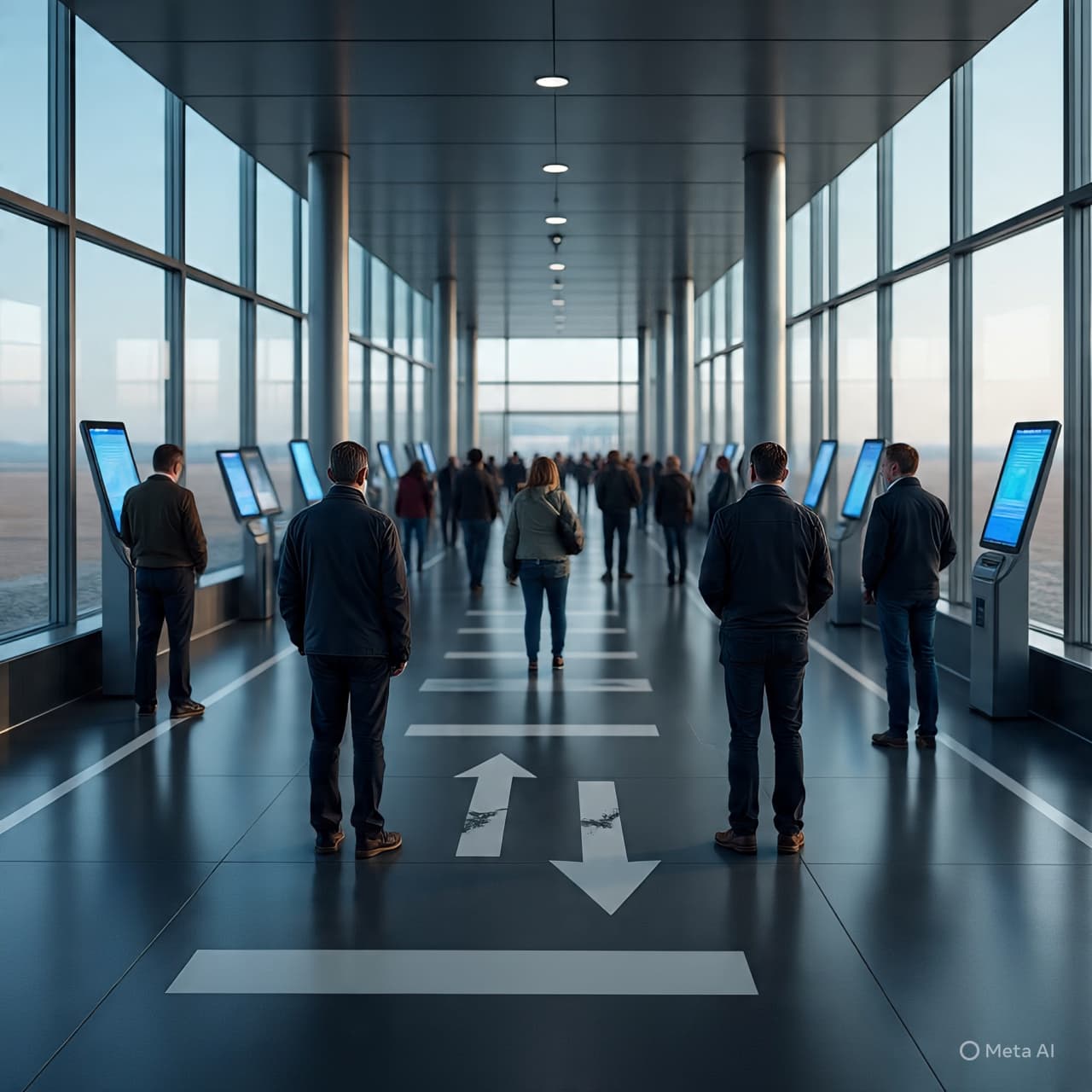
In the early morning haze along the Causeway, two worlds gently press against each other: people crossing borders for work, families weaving journeys between home and office, expectations carried in backpacks and briefcases. The two nations — Malaysia and Singapore — contemplate something larger than trade or geography: a shared economic horizon whose promise depends not just on laws and incentives, but on the paths, tracks, and lanes that connect lives. The Johor-Singapore Special Economic Zone (JS-SEZ) is no longer just a plan on paper. It has become a living ambition: spanning Iskandar Malaysia, Pengerang, and other key zones over 3,500 square kilometers. Its goals are to attract high-value investment, create tens of thousands of skilled jobs, and allow freer movement of goods and people between the two sides. To do all of this, transportation cannot be an afterthought but a foundation. Already, there are signs people understand this. Early initiatives include a passport-free QR-code clearance at land checkpoints, steps to streamline business facilitation, and simpler customs procedures. These are necessary first steps. They smooth friction. But more is needed. Voices in Johor shape the call for more: widening highways, creating automated lanes at immigration checkpoints, special passes for industry captains, integrated public transport within Johor Bahru, better connectivity to the future Rapid Transit System (RTS) Link with Singapore. Proposals are floating for light or autonomous transit, alternative modes regulated for safety, and strengthening local networks so that congestion does not become the silent cost of progress. Transport planners understand the stakes: without seamless cross-border mobility, economic zones risk becoming islands of opportunity cut off by logjams and delays. If people spend hours stuck at checkpoints, or if goods await customs for more time than trade needs, both economic momentum and public faith can falter. The promise of a region pulling together depends on the feeling that the daily travel between “here” and “there” is more bridge than barrier. As the JS-SEZ progresses, Malaysia and Singapore face choices: invest in infrastructure that anticipates demand, harmonise regulation for vehicle, lane, and system interchanges, plan for modes beyond roads — rail, rapid transit, even ferries — and ensure that transport is inclusive of ordinary commuters, not just industry elites. Each decision will shape whether the SEZ truly connects people, or simply overlaps maps. In the end, economic zones are built with more than incentives and tax breaks — they need arteries of movement, flow so natural that crossing a border feels less like a chore and more like part of a daily rhythm.
AI Image Disclaimer “Visuals are created with AI tools and are not real photographs.” Sources Reuters AP News Singapore Ministry of Trade & Industry / Government Agency Reports Enterprises Singapore / IMFC-J Malay Mail
Published by Banx Network. This article is part of the Banx decentralized media programme, powered by the BXE token on the XRP Ledger.