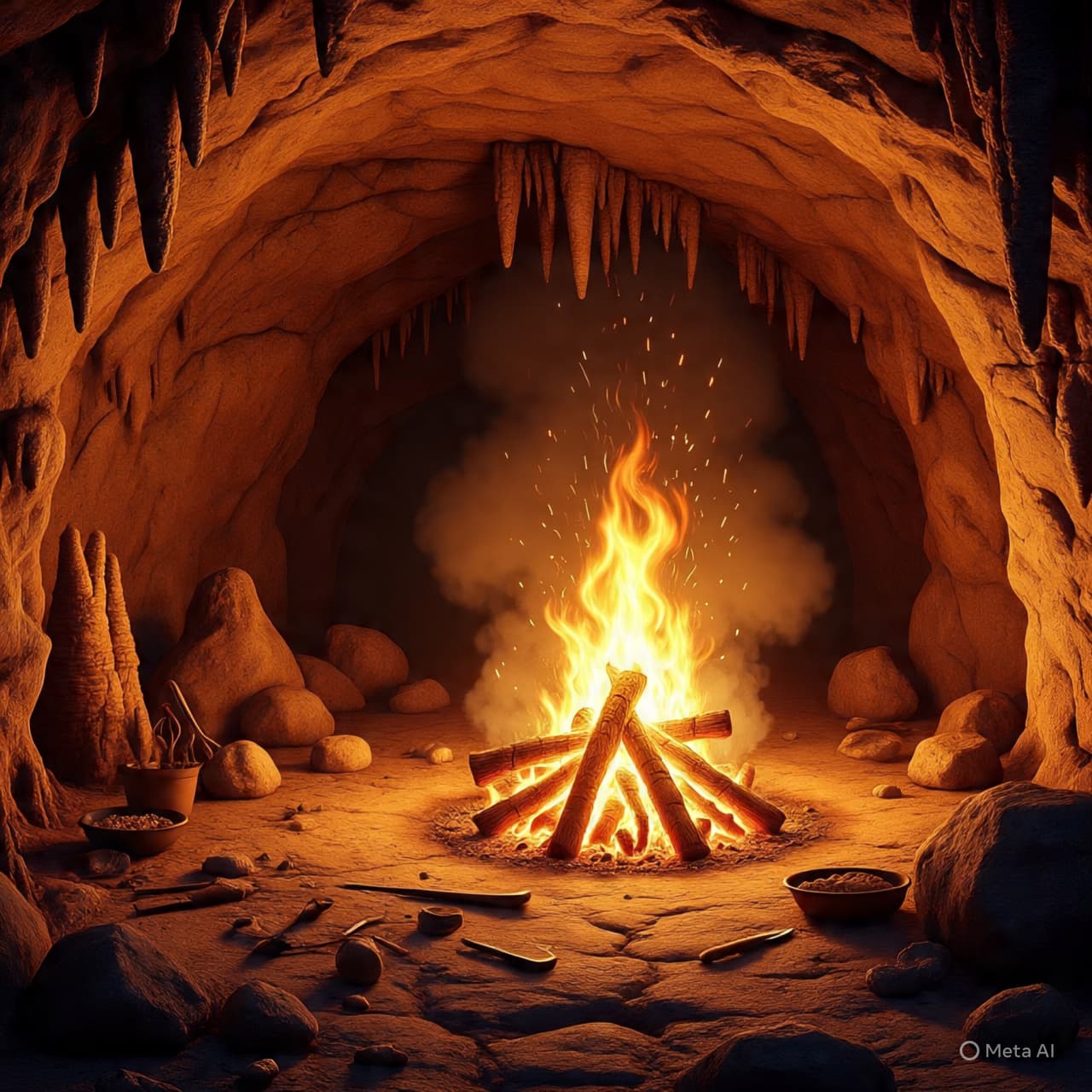
In the cool hush of a cave, where firelight once trembled against stone walls, human stories unfolded long before ink or memory kept record. Footprints pressed into damp earth. Hands traced ochre across rock. Somewhere beyond the reach of our imagining, bonds formed—fleeting or enduring—between beings who would one day be known as Neanderthals and modern humans.
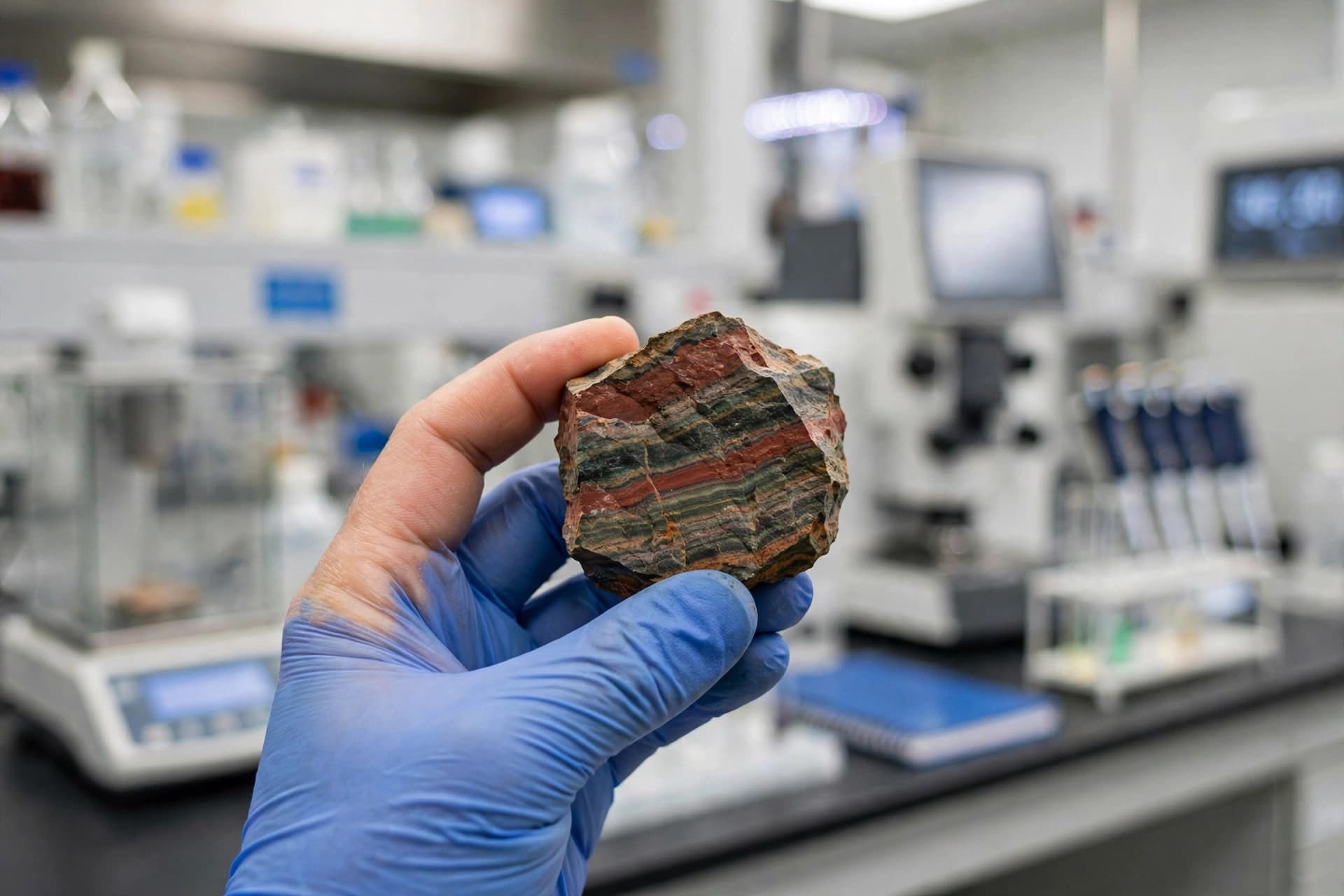
For decades, the relationship between these two branches of the human family tree was framed in terms of competition: overlapping territories, shared prey, survival at the edge of Ice Age climates. But in laboratories lit not by fire but by fluorescence, scientists have begun to trace another narrative—one written in DNA.
When researchers first sequenced the Neanderthal genome at the Max Planck Institute for Evolutionary Anthropology in 2010, it offered a revelation. People of Eurasian descent carry roughly 1 to 2 percent Neanderthal DNA, a quiet inheritance passed down over tens of thousands of years. The finding confirmed that modern humans and Neanderthals did not simply encounter one another—they interbred.
Subsequent discoveries deepened the story. Fossils such as the young girl unearthed in Denisova Cave, identified as the daughter of a Neanderthal mother and a Denisovan father, revealed that ancient human groups were not isolated silos but overlapping populations. The boundaries between them were porous. Migration, curiosity, proximity—all may have played a role.
More recently, advances in ancient DNA analysis have allowed scientists to examine not only whether interbreeding occurred, but how often and under what circumstances. Genetic patterns suggest that interactions were not singular, dramatic events but repeated episodes over thousands of years, particularly after modern humans left Africa and encountered Neanderthals across Europe and western Asia.
Some findings hint at asymmetries. Certain segments of Neanderthal DNA appear less frequently on the X chromosome, leading researchers to explore whether some pairings produced fewer surviving offspring. Other studies have suggested that male Neanderthals may have contributed less genetically than their female counterparts, though interpretations remain cautious. The ancient past rarely yields simple explanations.
Beyond interbreeding between species, genetic data also offer glimpses into the social structures of Neanderthal groups themselves. Analysis of remains from sites in Siberia indicates that Neanderthal communities may have been small and closely related, with evidence suggesting that females were more likely to migrate between groups. Such patterns mirror aspects of social organization seen in some hunter-gatherer societies today.
None of this reduces the ancient world to statistics. Instead, it enlarges it. These were not abstract gene pools but living communities navigating harsh climates, raising children, mourning losses. Interbreeding would have required proximity, tolerance, and perhaps alliances. Whether such encounters were cooperative, opportunistic, or something more complex is beyond the reach of genomes alone.
The phrase “sex lives” can sound modern, almost playful. But what science reveals is less about intimacy in the contemporary sense and more about survival and continuity. The genetic traces that persist today influence traits ranging from immune responses to skin physiology. In subtle ways, ancient encounters continue to shape present bodies.
Institutions such as the Harvard Medical School and research teams across Europe and Asia continue to refine this picture, comparing genomic data with archaeological evidence—tools, ornaments, burial sites. Each new sequence adds detail to a mosaic still incomplete.
What emerges is not a tale of a single lineage triumphing over another, but of entanglement. Modern humans did not simply replace Neanderthals; they absorbed fragments of them. The extinction of Neanderthals around 40,000 years ago did not erase their presence entirely. It folded them into us.
In the end, the revelations are less sensational than they are humbling. The story of humanity is not linear but braided. Beneath our varied faces and languages lies a shared inheritance that stretches into caves and across glacial plains.
The firelight has long since faded from those stone walls. But in laboratories and databases, scientists continue to listen for echoes. In the quiet code of our genomes, the ancient meetings endure—subtle, persistent, and still unfolding in meaning.
Published by Banx Network. This article is part of the Banx decentralized media programme, powered by the BXE token on the XRP Ledger.