There is a particular cruelty in a system that asks a man to choose between walking and solvency, not out of malice but out of rules written before his circumstances existed. Alvin John Reyes came to Quebec three years ago with his wife and three children, a Filipino family pursuing what so many pursue: education, work, a future. He worked in marketing, paid taxes, and assumed, as most of us do, that the social contract would hold if the worst arrived. Then his legs began to weaken, and the worst arrived.
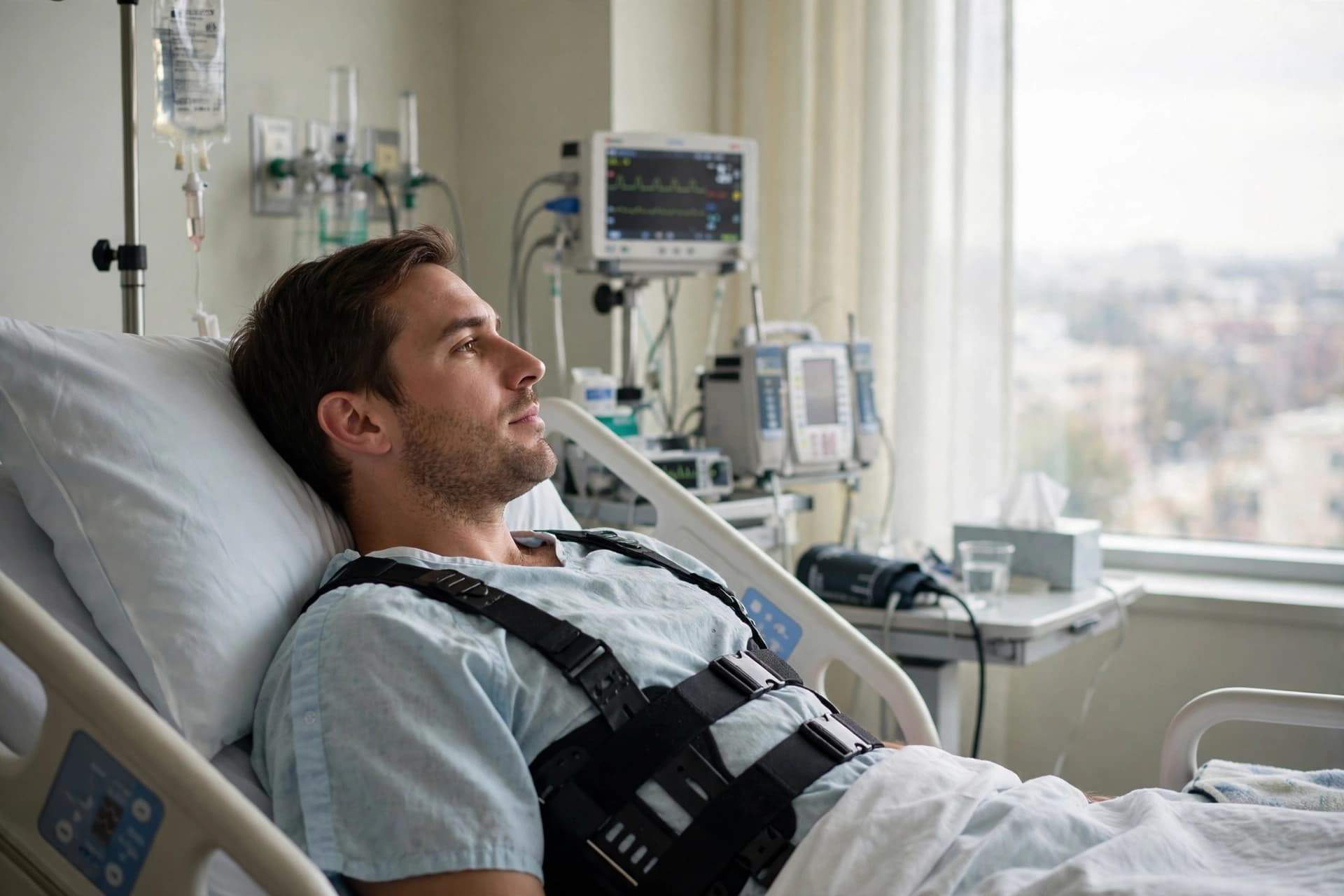
Reyes, 46, was diagnosed with spinal stenosis after experiencing weakness in his legs and loss of bowel and bladder control in August. He underwent emergency spinal surgery in mid-September at the Montreal General Hospital. Titanium rods were placed in his back. He cannot walk or stand independently . The surgeon waived most of his fees, an act of grace the family says they will never forget. But the hospital stay, at $7,000 a day for a month, has already produced a bill approaching $200,000, according to his brother Allan .
The larger problem is what comes next. Reyes needs months of rehabilitation to walk again. The quoted cost is $7,293 per day for a non-Quebec resident, and the family estimates the total could reach $1.2 million to $1.4 million . Reyes has applied three times for coverage from Quebec's health insurance board, RAMQ, and been denied each time . His work permit is tied to his wife's student permit, a category that does not qualify for provincial coverage under Quebec's rules .
RAMQ has stated it has no discretionary power to make exceptions. A spokesperson told Global News that eligibility criteria stem from government policy . Quebec's Health Ministry said it is sensitive to the family's situation but must remain mindful of equity in health-care coverage, and that support may be provided in exceptional humanitarian cases after rigorous assessment . Reyes's private travel insurance covers only $25,000 .
The family has launched a GoFundMe and contacted the Philippine Embassy about a medically supervised flight home, which would require a stretcher and medical team at a cost of nearly $120,000 . Allan, a Canadian citizen of 16 years, has sold a house he bought for his mother to help pay the bills . Jill Hanley, a professor at McGill's School of Social Work, told the Montreal Gazette that most Canadian provinces provide health insurance to temporary workers like Reyes, making Quebec an outlier .
Reyes told The Suburban that he is not hopeful. "I think Canada is trying to get rid of me as soon as possible to send me back to the Philippines," he said . His brother put it more plainly: "It'll take us like two lifetimes to pay that" .
There is no easy resolution in the letter of the law, only the slow arithmetic of a family calculating what a spine is worth and who will pay for it. Reyes's immediate wish is simple and enormous: to walk again, and to provide for the three children who came here believing that effort and contribution would be met with something like fairness.
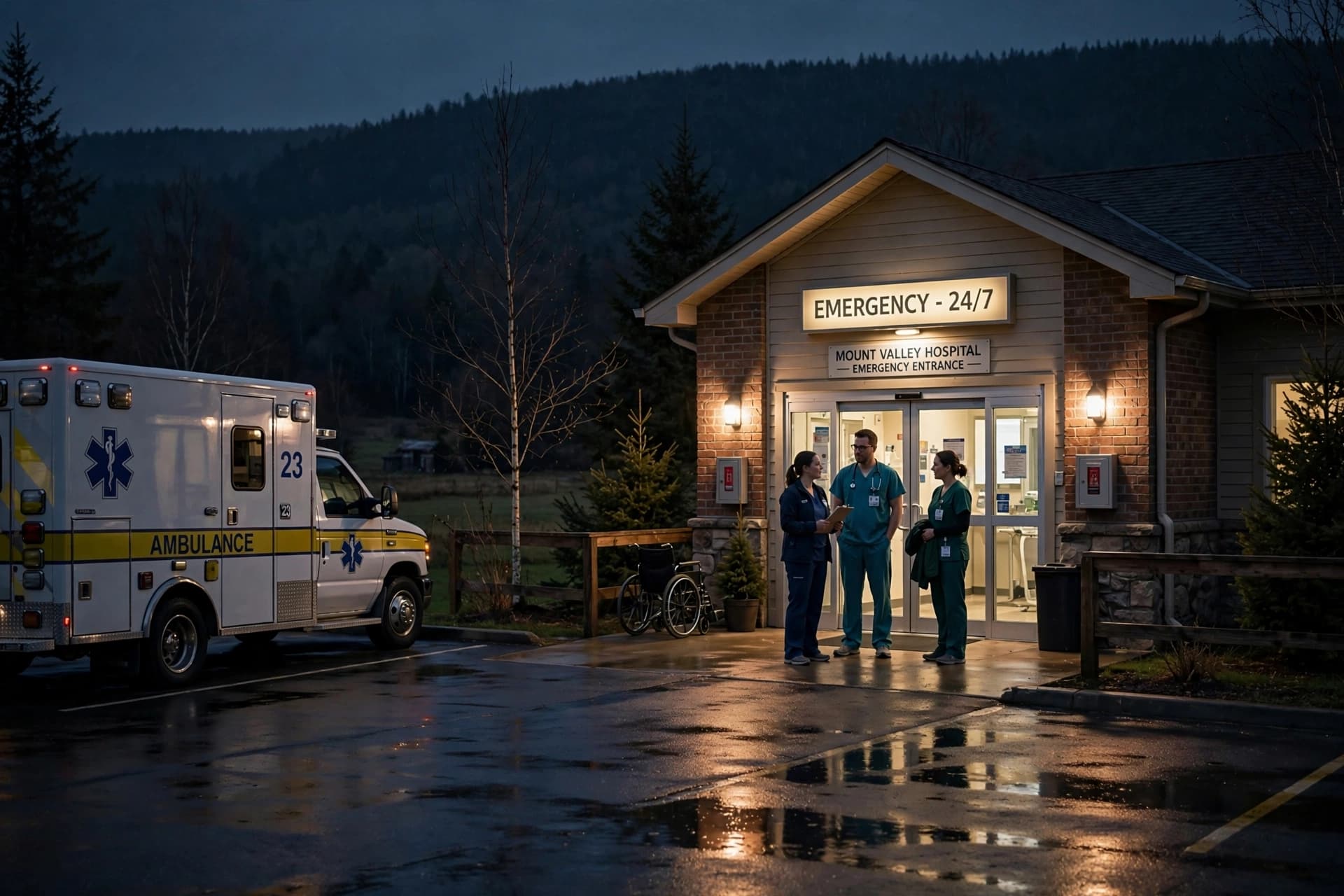
AI Image Disclaimer: This article uses AI-generated imagery for illustrative purposes only.
Sources: Global News, The Suburban Newspaper, Fort Saskatchewan Record, Montreal Gazette
Published by Banx Network. This article is part of the Banx decentralized media programme, powered by the BXE token on the XRP Ledger.