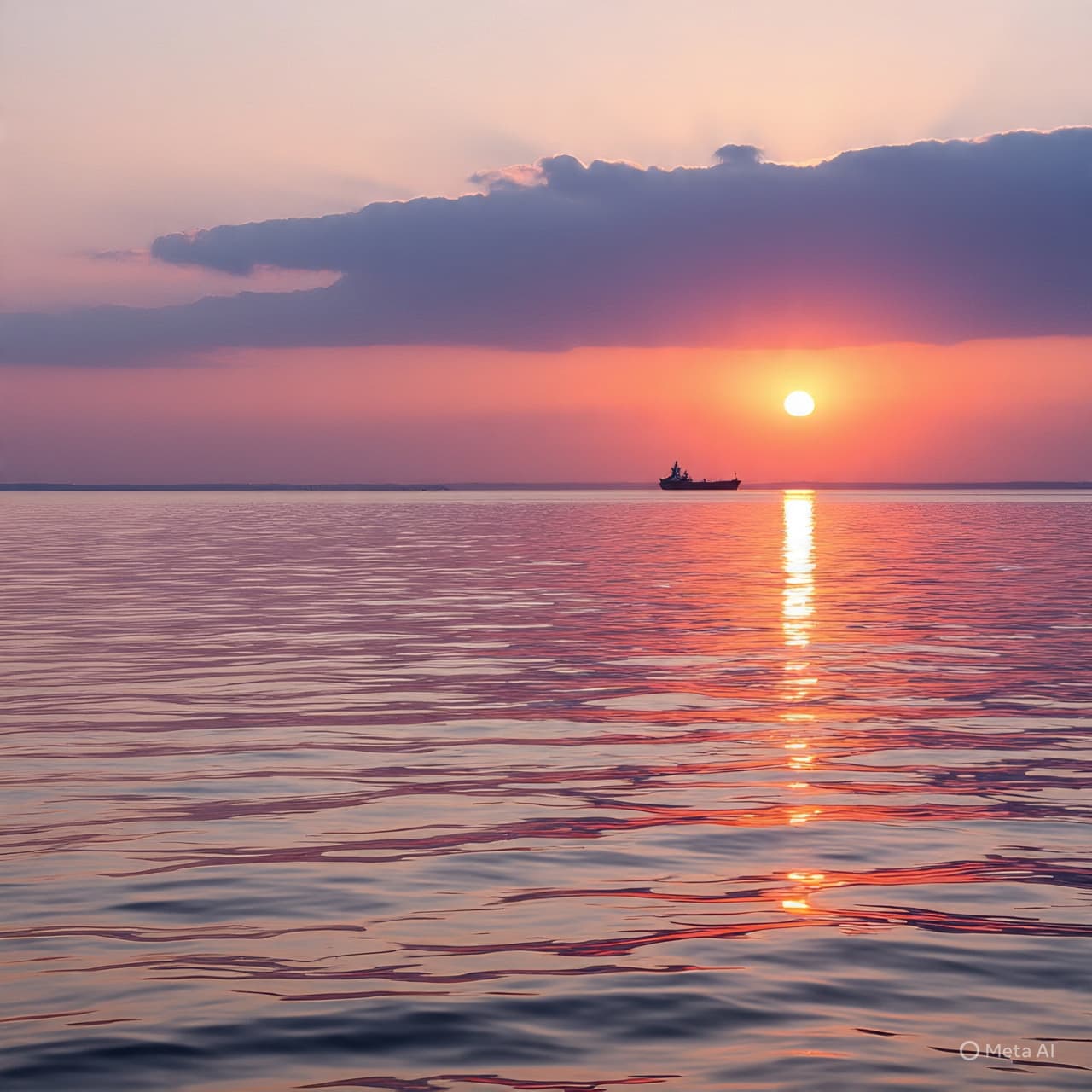
Along the wind‑kissed shores of northern Europe, the sea has long been both a pathway of trade and a quiet witness to history’s unseen motions. Here, in the waters of the Baltic and North Seas, oil tankers and cargo ships trace familiar arcs between ports, their muffled engines blending with the cry of seabirds at dawn. In recent years, however, a particular current of motion has stirred deeper contemplation — a fleet of vessels linked in reports to a web of sanction‑evasion, their rust‑kissed hulls skimming waters that bind Nordic shores to distant lands.
These ships, often called part of a “shadow fleet,” have become symbols of a broader, subtle tension. They are described as ageing tankers with opaque ownership, moving oil and other cargo in ways that challenge the intentions of sanctions imposed in response to Russia’s war against Ukraine. To some, they represent a seam in international norms, a place where legal frameworks fray under the weight of strategic pursuit and economic necessity. To fishermen and ferry captains alike, their presence is a quiet disruption — not in waves, but in the questions they prompt about who controls the currents and on what terms.
In recent diplomatic gatherings, officials from Nordic countries — nations whose histories and geographies intertwine with these seas — have weighed the idea of seizing vessels associated with this fleet when found in their waters. Yet, one by one, these leaders have set such plans aside. Rather than reach for dramatic intervention, they have chosen a course marked by caution and deference to established legal boundaries. Their reasoning, offered not in the heat of confrontation but in the cool stillness of deliberation, reflects both respect for international law and concern for the unintended ripples that harsher measures might send through maritime commerce.
To understand this choice, it helps to imagine the sea as an expanse of shared history, where each vessel — whether a fishing skiff or an oil tanker — carries not just cargo but the weight of collective expectation. Nordic governments have signalled a preference for measures that enhance monitoring, tighten compliance with environmental and safety standards, and ensure that vessels passing through territorial waters can demonstrate proper registration and insurance. In doing so, they weave a tapestry of cooperation with broader European and transatlantic partners, intent on upholding sanctions without stepping beyond the bounds of accepted legal practice.
At the same time, the broader geopolitical backdrop has grown more complex. In neighboring France, authorities recently released a tanker suspected of belonging to the shadow fleet after its owning company paid a substantial fine, underscoring how enforcement can take many forms — from inspection and penalty to eventual release. And across the sea from them, a senior Russian official has warned of naval responses should European powers attempt what he decried as maritime “piracy,” illustrating how even the quietest waters can carry undertones of tension and caution.
Back on deck in a Nordic harbor, a ferry’s bow cleaves the gentle swells, and a tugboat slips from its berth into open water. The sun lingers low on the horizon, a soft promise of days lengthening toward spring. In this light, the choice of restraint by Nordic leaders feels not like passivity but like a considered navigation — charting a path that holds firm to principles of sovereignty and shared legal order while acknowledging the currents of international concern. It is a reminder that in matters of sea and state, motion need not always be seized; sometimes it is reflected upon with quiet resolve.
Published by Banx Network. This article is part of the Banx decentralized media programme, powered by the BXE token on the XRP Ledger.