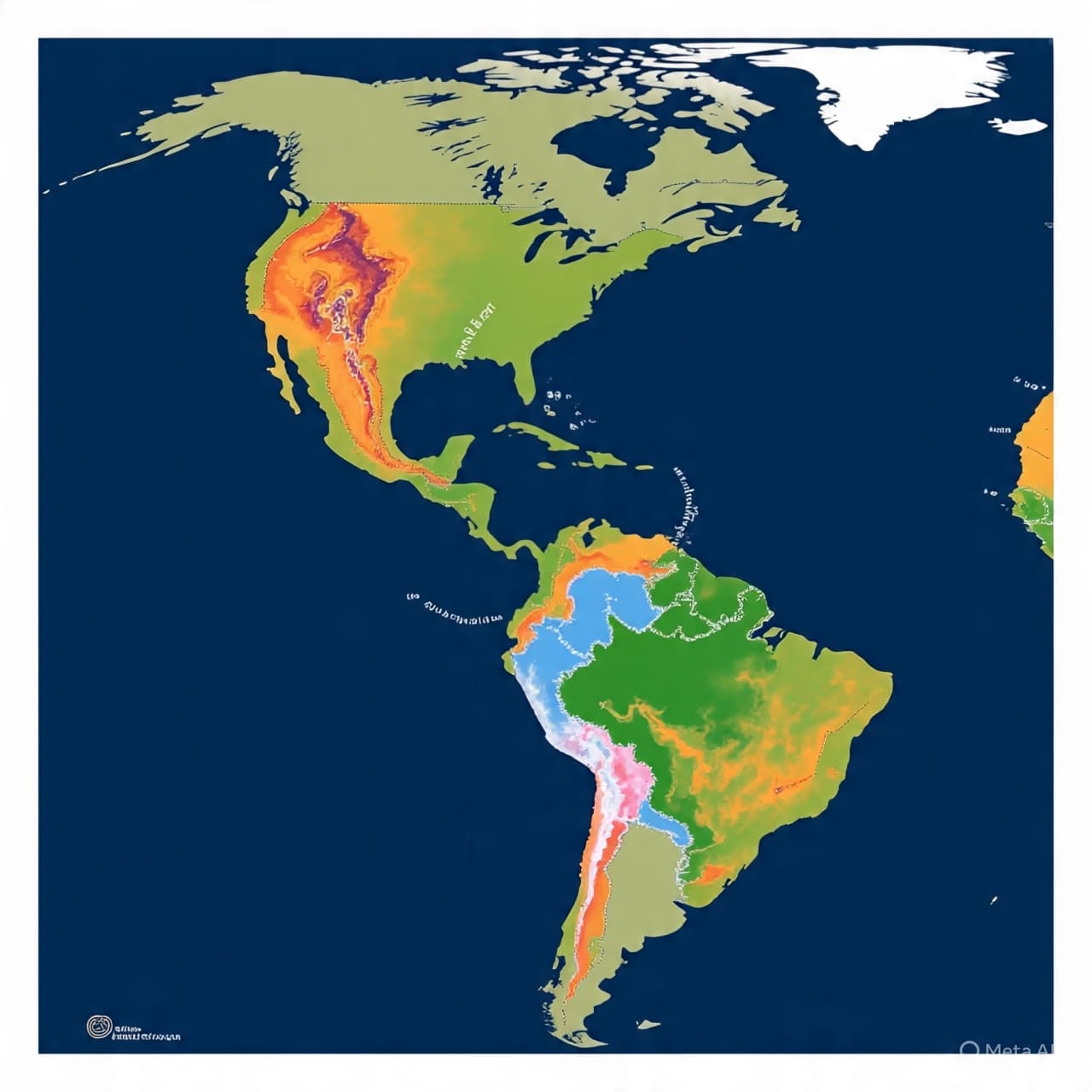
The Pacific Ocean, vast and quietly restless, often keeps its secrets beneath the surface. For months, the water may appear calm, its rhythms invisible to those watching from shore. Yet far below, currents move slowly across thousands of miles, carrying warmth from one corner of the world to another. In those subtle shifts of temperature and wind, the atmosphere begins to write the next chapter of the planet’s climate story.
Scientists say a familiar character may soon return to that story.
Climate researchers and international weather agencies are observing early signals that the warming phenomenon known as El Niño could emerge later this year. If it does, the event may amplify already rising global temperatures and reshape weather patterns across multiple continents. Forecast models suggest that the Pacific Ocean is gradually moving away from the cooling influence of La Niña toward more neutral conditions, with increasing chances that El Niño could develop by the summer months.
El Niño forms when unusually warm waters spread across the central and eastern equatorial Pacific Ocean. That warming alters atmospheric circulation, influencing rainfall, storm patterns, and temperatures far beyond the ocean itself. Regions across the world—from the Americas to Asia and Australia—often feel its effects through droughts, heavy rainfall, heat waves, or shifts in seasonal weather.
Forecasts from climate agencies suggest there may be roughly a 50–60 percent chance of El Niño conditions developing during the July to September period. The shift would follow the gradual weakening of the recent La Niña phase that influenced global weather over the past year.
Although El Niño is part of a natural climate cycle known as the El Niño–Southern Oscillation, its influence on global temperatures can be significant. When warm Pacific waters release heat into the atmosphere, average global temperatures often rise temporarily, adding to the background warming already caused by greenhouse gas emissions.
Scientists point to the last major El Niño event in 2023–2024 as an example of this effect. That episode helped push global temperatures to record highs, illustrating how natural climate patterns can amplify longer-term warming trends.
If the phenomenon develops later in 2026, its strongest influence on global temperatures may appear months afterward. Climate researchers note that the atmosphere usually responds gradually, meaning the warming effect of an El Niño often peaks the following year.
This delayed response means that while 2026 could experience elevated temperatures, the full global impact might become more visible in 2027. Even without a strong El Niño, however, scientists say global warming trends are already pushing temperatures toward historic highs.
For communities around the world, the potential return of El Niño raises practical questions about preparation. Farmers monitor seasonal rainfall patterns, disaster planners watch for flood risks, and meteorologists refine forecasts as ocean temperatures evolve.
Despite growing signals, experts emphasize that predictions made months in advance still carry uncertainty. Seasonal forecasting is particularly challenging during the transition from spring to summer, a period scientists often refer to as the “predictability barrier,” when climate models tend to be less reliable.
For now, researchers continue to track the Pacific Ocean closely, watching the slow warming beneath the surface. Whether El Niño arrives this year or later, the evolving ocean patterns remain a reminder that Earth’s climate system moves in long, interconnected cycles.
As updated forecasts are released in the coming months, scientists expect to refine their outlook on the developing conditions. The ocean’s quiet signals today may soon shape the weather stories of tomorrow.
AI Image Disclaimer Images in this article are AI-generated illustrations, meant for concept only.
Sources CBS News The Guardian San Francisco Chronicle SFGATE South China Morning Post
Published by Banx Network. This article is part of the Banx decentralized media programme, powered by the BXE token on the XRP Ledger.