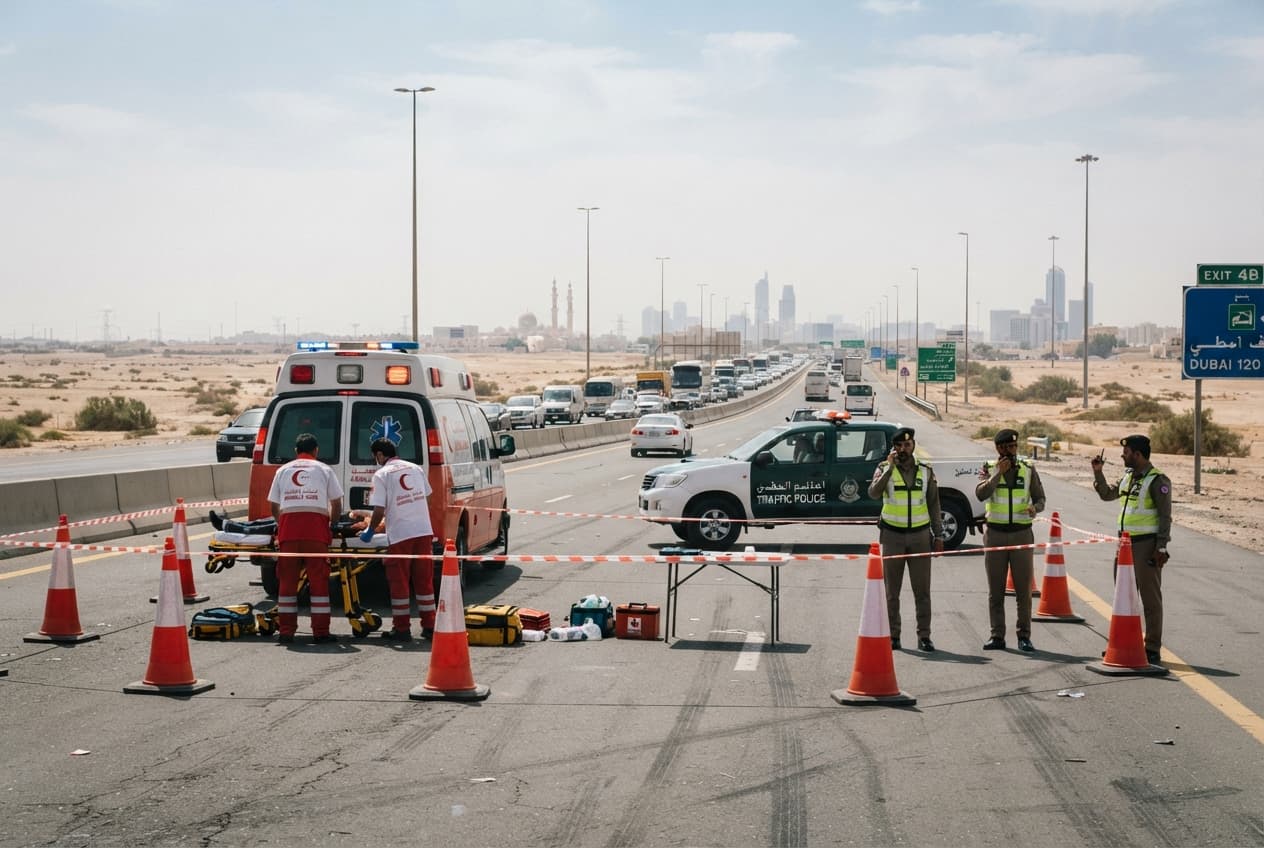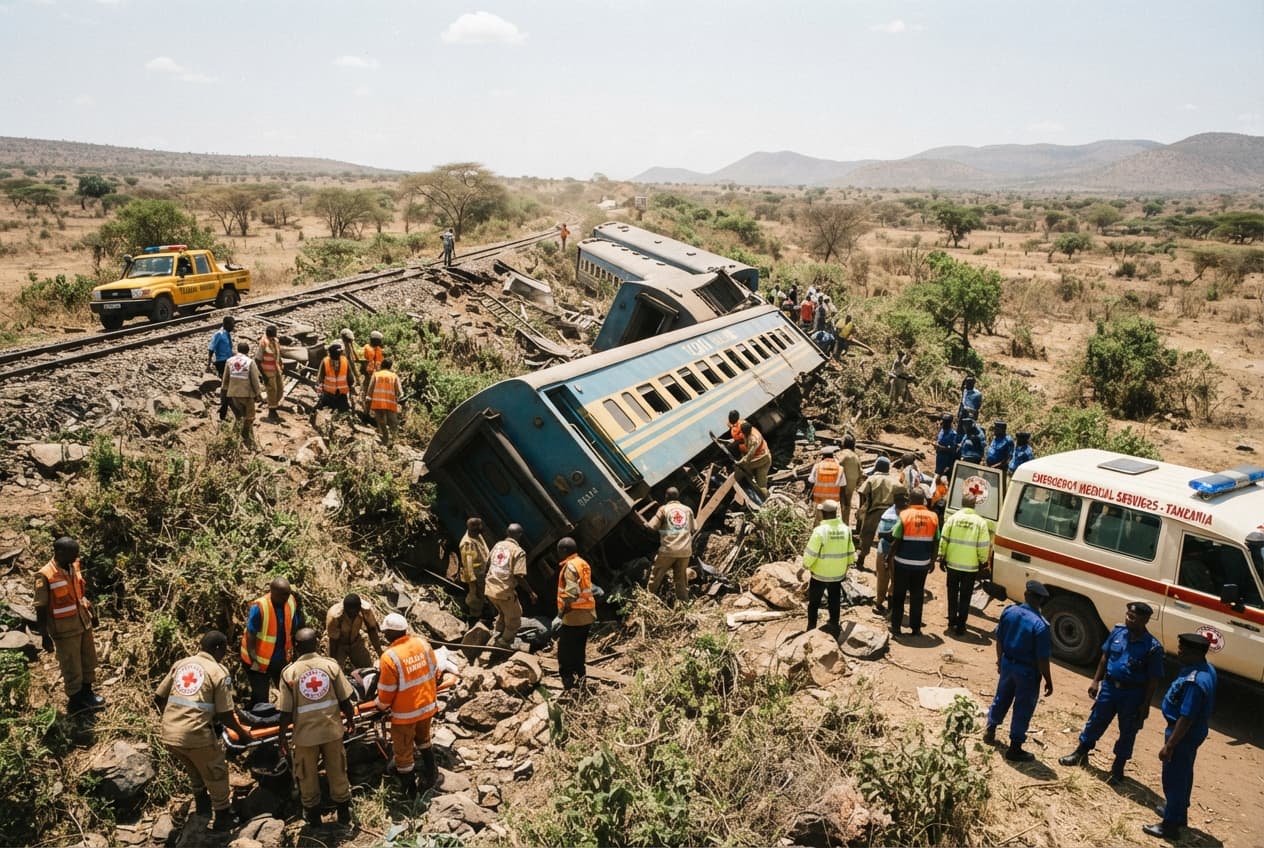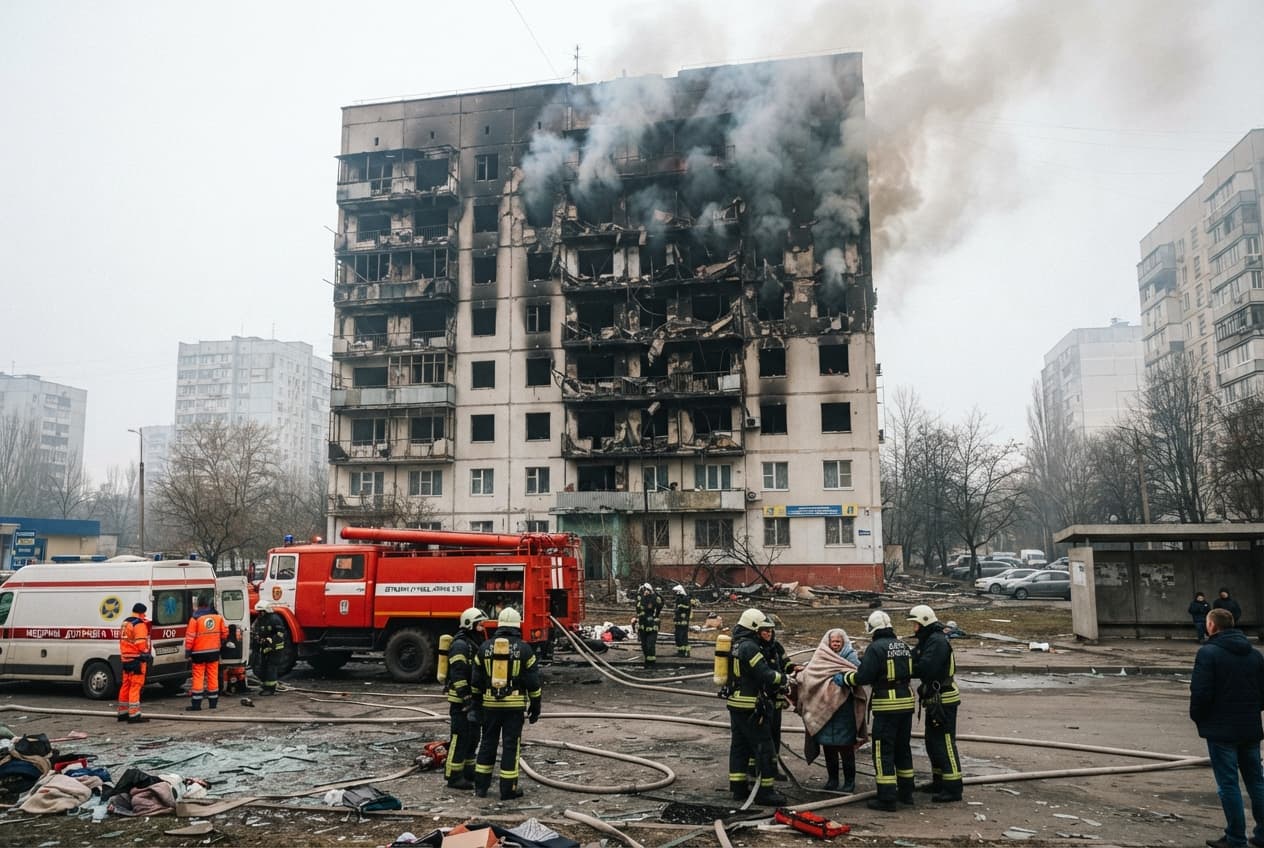
Kyiv and Moscow—Simultaneous cross-border artillery shelling and aerial drone strikes resulted in the deaths of six civilians across residential districts surrounding Kyiv and Moscow on Tuesday. Defense ministries from both nations confirmed that urban centers experienced intensive bombardment during the early morning hours, shattering air defense networks and triggering widespread emergency responses. In the outer suburbs of the Ukrainian capital, a barrage of ballistic projectiles struck multi-story apartment complexes, sparking ferocious fires that engulfed entire residential blocks. Emergency rescue squads deployed multiple fire tenders and urban search teams to extract trapped residents from collapsed basements and stairwells.
Concurrently, regional authorities surrounding the Russian capital reported a wave of long-range drone incursions targeting municipal infrastructure and residential zones on the southwestern periphery. Air defense batteries intercepted several incoming devices, though falling debris and direct impacts caused structural collapses and fatalities at multiple residential sites. Municipal health administrators confirmed that hospital emergency departments received dozens of trauma patients suffering from shrapnel wounds, severe blast burns, and acute psychological shock. Emergency medical personnel worked through the morning to triage incoming casualties as blood bank reserves faced unprecedented regional demand.
International diplomatic observers expressed mounting alarm over the escalating frequency of direct strikes targeting civilian population centers far beyond active front-line combat zones. Human rights monitors reiterated that international humanitarian law strictly prohibits the indiscriminate targeting of non-combatants and essential municipal infrastructure. Representatives from international monitoring bodies called for an immediate cessation of hostilities directed against residential neighborhoods, warning of an impending humanitarian crisis. Local municipal councils established temporary shelters in underground metro stations and community centers for families displaced by structural destruction.
Civil defense commanders in both nations urged residents to heed air raid warnings immediately and remain inside reinforced shelters until all-clear signals are officially broadcasted. Repair crews equipped with heavy machinery began clearing rubble from blocked roadways to allow emergency repair vehicles access to damaged electrical and water grids. Utility workers labored under hazardous conditions to restore severed power lines and ruptured gas mains threatening adjacent residential blocks. Local authorities established perimeter security cordons around hazard zones to prevent unauthorized access by onlookers and media personnel.
As evening approached, air raid sirens wailed once more across regional tracking networks, prompting renewed rounds of shelter-seeking behavior among terrified civilian populations. Government officials maintained high alert levels across national security apparatuses, anticipating further retaliatory strikes as diplomatic channels remain deadlocked. Forensic pathology teams continued the grim task of identifying victims recovered from the rubble of collapsed residential structures. International humanitarian agencies pledged additional emergency aid packages to support displaced families surviving in makeshift municipal shelters.
Published by Banx Network. This article is part of the Banx decentralized media programme, powered by the BXE token on the XRP Ledger.