In Cairo, where ancient streets carry the memory of centuries, another kind of transformation is beginning to take shape. It is less visible than the stone monuments and crowded avenues, moving instead through data centers, cloud systems, software, and the increasingly rapid development of artificial intelligence.
Egypt could be approaching a point where artificial intelligence and the digital economy help compress decades of economic development into a much shorter period, according to Tamim Saleh, McKinsey’s senior partner and managing partner for Cairo. He described AI as a technology capable of changing the traditional pace at which economies build productivity and new industries.
For decades, economic transformations in countries such as China, South Korea, and Singapore unfolded through long periods of investment, infrastructure development, foreign and domestic capital formation, and the gradual building of local capabilities. AI introduces a different possibility because the technology itself is developing and spreading at an unusually rapid pace.
The opportunity, however, is not simply about creating an Egyptian AI industry that sells technology abroad. Saleh described a broader possibility in which AI could raise productivity across manufacturing, healthcare, education, financial services, research, banking, and other parts of the economy.
That transformation would require foundations beneath the technology. Computing capacity, reliable connectivity, energy supplies, cloud infrastructure, data systems, and skilled workers all form part of the environment needed for AI to move beyond experimentation and into everyday economic activity.
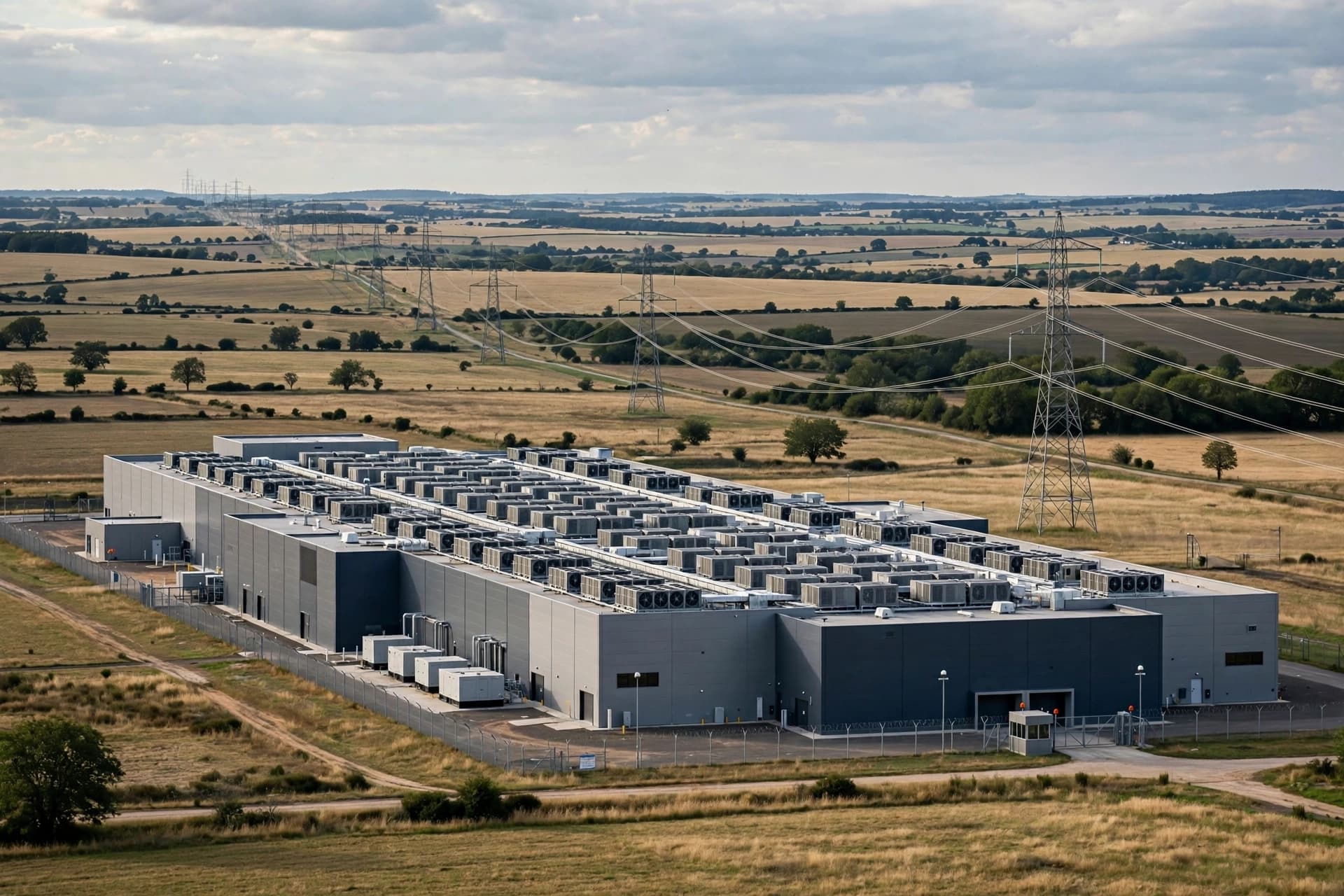
Data centers are therefore becoming part of the conversation. Egypt’s geographical position and extensive telecommunications connections could give it an opportunity to serve not only domestic demand but also regional and international digital markets.
Yet infrastructure alone cannot carry the entire journey. Egypt’s large young population and technology workforce are also being viewed as an important part of the country’s digital potential. AI can allow individuals and companies to provide services to customers in distant markets without necessarily leaving the country.
The changes can also appear in ordinary administrative processes. Digital identification, electronic banking procedures, online government services, and automated business processes can reduce the amount of time spent moving paperwork from one desk to another.
There is still a considerable distance between possibility and measurable economic transformation. Companies need experience before AI investments consistently produce value, while infrastructure requires substantial capital and long-term planning. Energy availability and computing capacity must also grow alongside demand.
For Egypt, the emerging AI era therefore looks less like a single technological moment and more like a long road whose direction is becoming clearer. The question is not simply whether artificial intelligence can move quickly, but whether the infrastructure, investment, and human capabilities around it can move at the same pace.
SEO SLUG
egypt-ai-economic-development-digital-economy-2026
HASHTAGS
#Egypt #ArtificialIntelligence #AI #DigitalEconomy #Technology #Innovation #DataCenters #EconomicDevelopment
IMAGE DISCLAIMER
This AI-generated visual is intended solely as an editorial illustration and does not depict an actual event, person, or location.
SOURCES
Ahram Online McKinsey & Company
Published by Banx Network. This article is part of the Banx decentralized media programme, powered by the BXE token on the XRP Ledger.