There are moments in public policy when decisions feel less like firm declarations and more like doors left gently ajar. In the quiet language of governance, possibility often speaks louder than certainty. A statement that does not commit, yet does not close the path, can carry the weight of both caution and intent—like a window cracked open to let in changing air.
So it is with the idea of temporarily halving the fuel excise. Not a promise etched in stone, but a consideration—one that hovers between economic relief and fiscal restraint. As households navigate the steady rhythm of rising costs, fuel becomes more than a commodity; it is the pulse of daily life, touching commutes, deliveries, and the unseen threads that bind modern economies together.
The notion of reducing fuel excise, even for a limited period, has surfaced repeatedly in times of pressure. History shows that such measures are often framed as temporary bridges—tools designed to ease the immediate burden rather than reshape the long-term landscape. During previous spikes in global oil prices, governments have turned to excise cuts as a way to soften the blow, allowing consumers to catch their breath, if only briefly.
Yet, like all bridges, the question lingers: where does it lead?
On one side lies relief. A reduction in fuel excise can translate into lower prices at the pump, offering households tangible savings. For families balancing budgets stretched thin by inflation, even modest reductions can ripple outward, easing the cost of transportation, goods, and services. Some policymakers and industry voices argue that such measures can help stabilize consumption and temper broader economic pressures.
On the other side stands the quiet arithmetic of public finance. Fuel excise is not merely a line item—it is a significant source of government revenue. Cutting it, even temporarily, carries consequences that echo beyond the fuel station. Analysts have pointed out that suspending or reducing these taxes can result in substantial fiscal losses, raising questions about how governments will balance their books while maintaining essential services.
There is also the matter of timing and effectiveness. Fuel prices are shaped by forces far beyond national borders—geopolitics, supply chains, and global demand. In such a landscape, a tax cut may offer relief, but not always control. Some leaders have previously noted that fluctuations in global oil markets can overshadow the benefits of excise reductions, making the impact less predictable than it appears at first glance.
And so, the idea remains in a delicate balance. To act is to provide immediate comfort, yet risk long-term strain. To wait is to preserve fiscal stability, yet ask households to endure the present weight.
For now, the door remains open—but not fully crossed. The possibility of halving the fuel excise sits in that quiet space between intention and decision, where governments weigh not only numbers, but the lived realities behind them.
In the days ahead, whether that door swings wider or gently closes will depend on how these competing currents settle. For citizens watching from the other side, the question is less about policy mechanics and more about something simpler: whether relief, even temporary, will arrive when it is most needed.
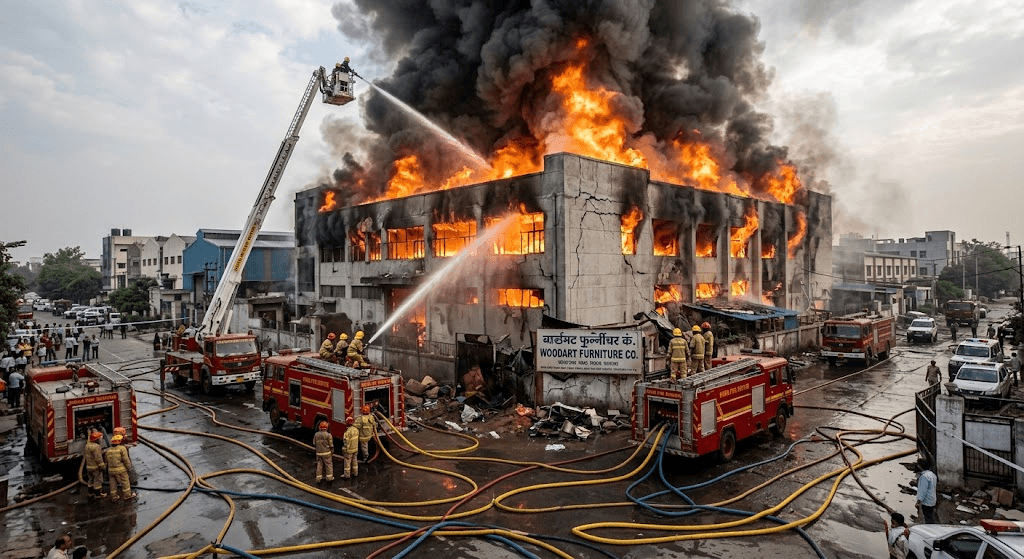
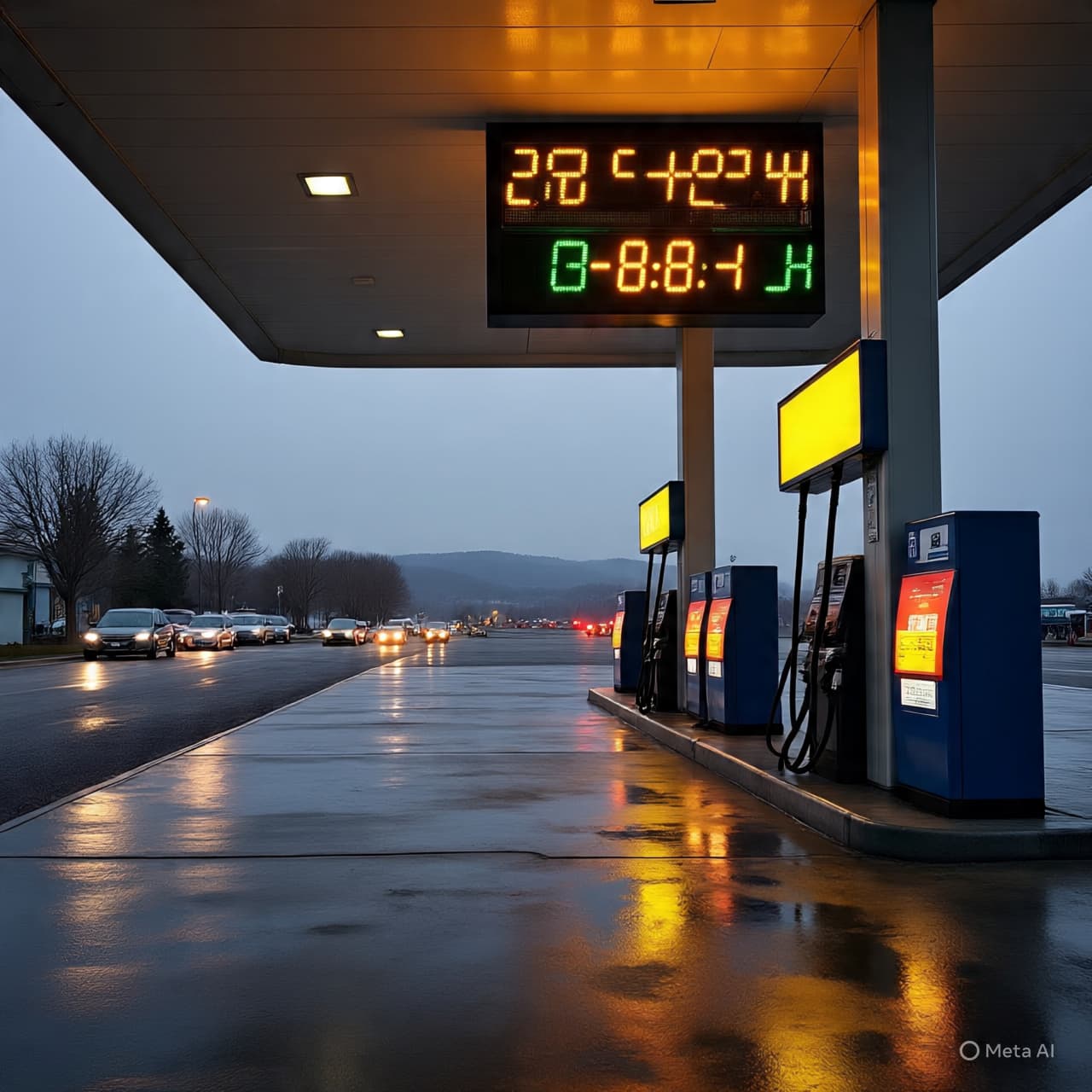
AI Image Disclaimer Illustrations were produced with AI and serve as conceptual depictions.
Source Check Credible sources found:
ABC News The Guardian BusinessMirror The Philippine Star NDTV
Published by Banx Network. This article is part of the Banx decentralized media programme, powered by the BXE token on the XRP Ledger.