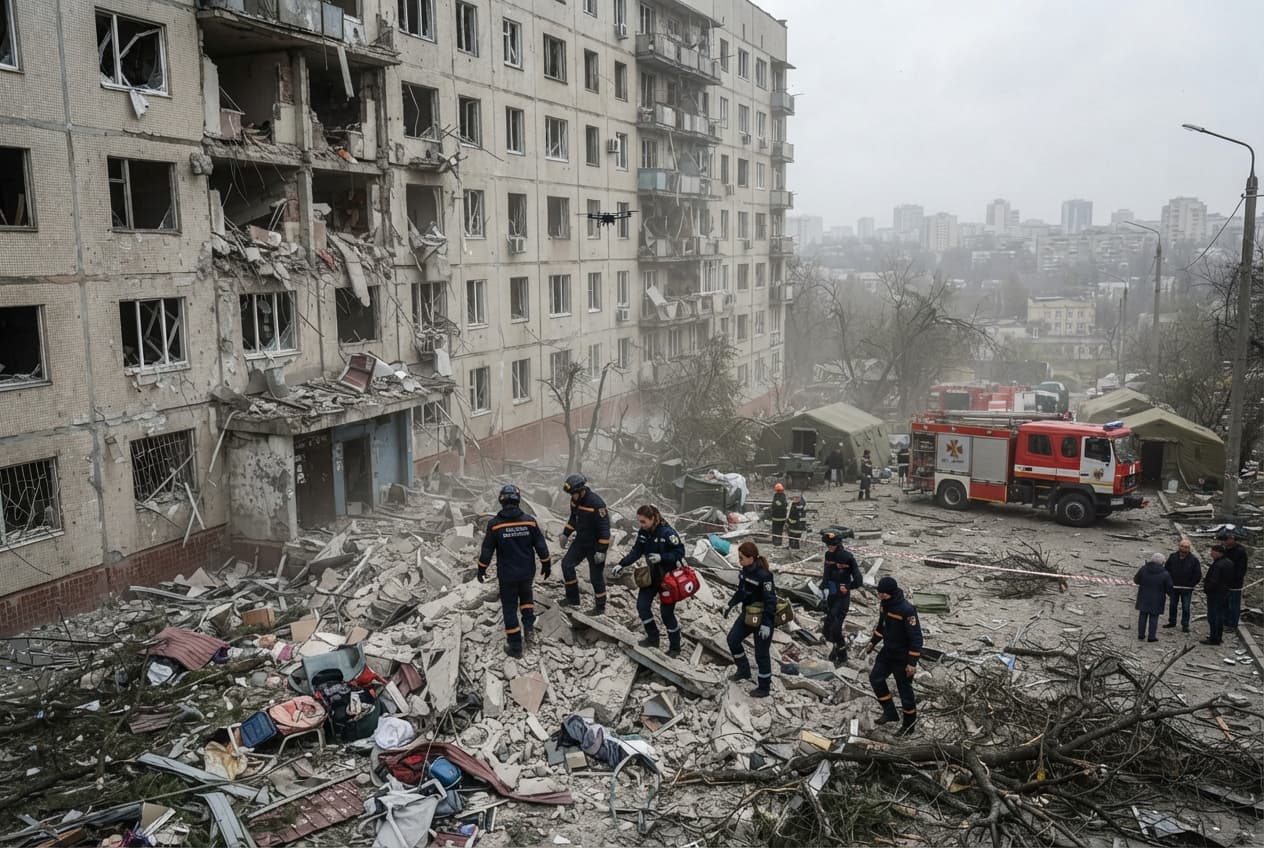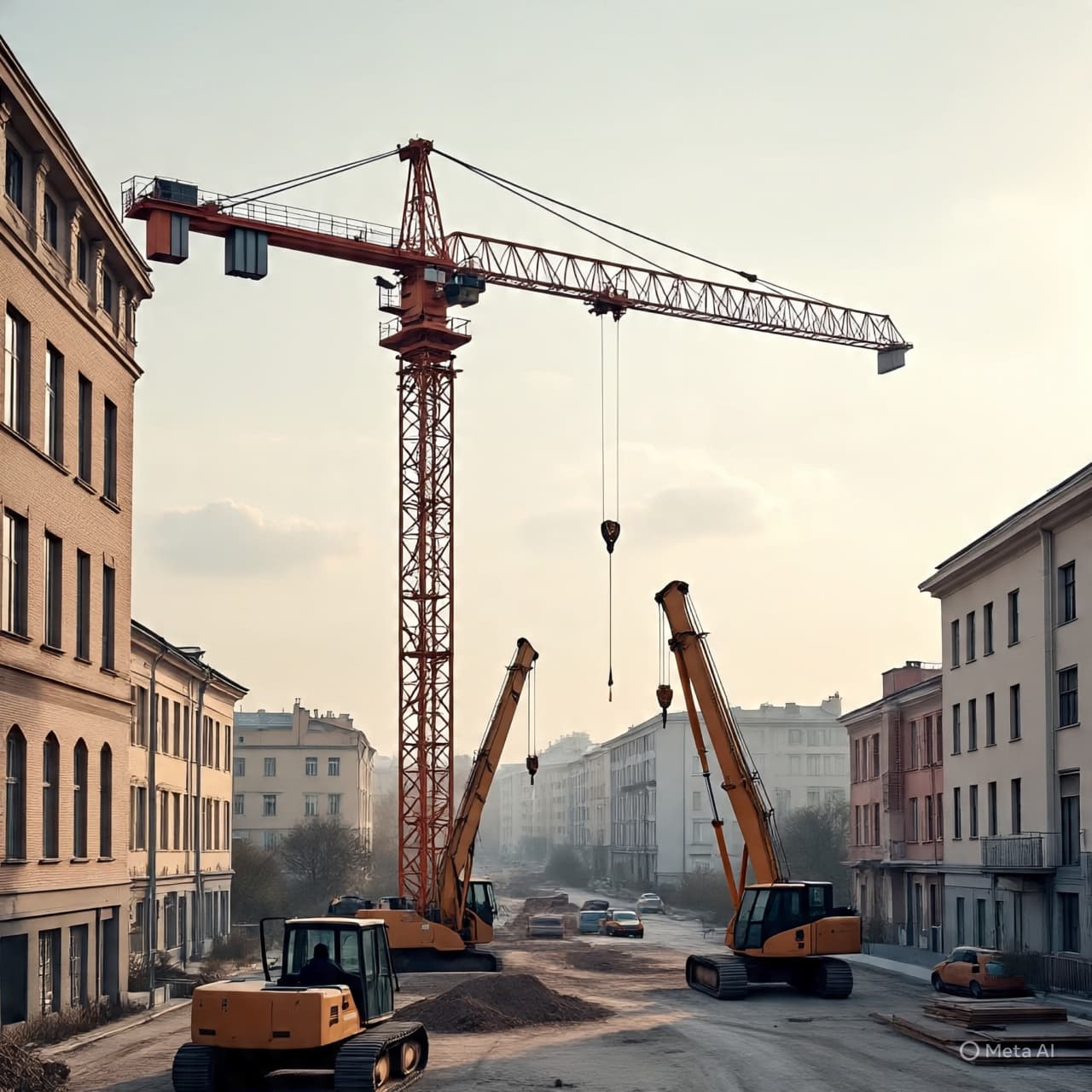
In the broad sweep of Ukraine’s plains, where winter grasses bend beneath an early light, there is a quiet endurance woven into the land. Towns and cities, where once there was the familiar rhythm of everyday wandering, now bear the faint outlines of trenches, patches of ruin, and the subdued pulse of return. As the war’s fierce cadence recedes into memory, another kind of motion begins: not the clash of arms, but the careful passage of capital, commitments, and measured hope. In the meeting rooms of Kyiv and Brussels, and in the halls of international institutions, foreign direct investment and international aid have started their own, less visible work of reconstruction.
For years now, Ukraine’s economy has depended on external support to sustain public services, stabilize its finances, and provide humanitarian relief amid conflict. Hundreds of billions of dollars have flowed into its budget and reconstruction plans, with donors and partners committing funds to keep the gears of governance turning and to lay foundations for what comes next. Yet these inflows, vital as they are, reflect more than mere transfers of money: they trace a gesture of shared responsibility, a sense that rebuilding a country’s civic fabric extends beyond its borders. It is an exchange of trust and a testament to the bonds that connect people and markets across continents.
Foreign direct investment, the long‑term engagement of private capital, has arrived more slowly, shaped by the war’s ebb and flow and the contours of risk and reform. While reinvested earnings and narrow sectors have seen some growth, overall investment remains modest in comparison with Ukraine’s vast needs, constrained by security concerns and structural challenges that investors weigh with care. Each decision by a company to participate — whether in energy, technology, or infrastructure — is a quiet testament to confidence in Ukraine’s future, even when headlines focus on geopolitics and instability.
International aid continues to provide a backbone for recovery, its rhythms steady and essential. The European Union’s Ukraine Facility is marshaling tens of billions of euros over several years to support public budgets, services, and investment frameworks designed to unlock further private participation. Loan guarantees and blended finance tools signal an invitation to global capital, converting the abstract promise of a stable future into the practical conditions that make long‑term investment feasible. In parallel, institutions like the International Monetary Fund are providing programs aimed at preserving macroeconomic stability while setting the stage for deeper structural reforms and growth.
Yet this financial choreography is not only about sums and figures. In sunlit squares of rebuilt towns, in the gentle hum of restored factories and markets, the interplay of aid and investment touches everyday life. It carries with it the potential to draw displaced families home, to revive agricultural fields once quiet, and to thread new industries into the fabric of a country reshaped by struggle and aspiration. The presence of foreign firms and funds becomes, in time, another kind of neighbor, one that arrives not with arms but with plans and partnerships — and with the patience that recovery demands.
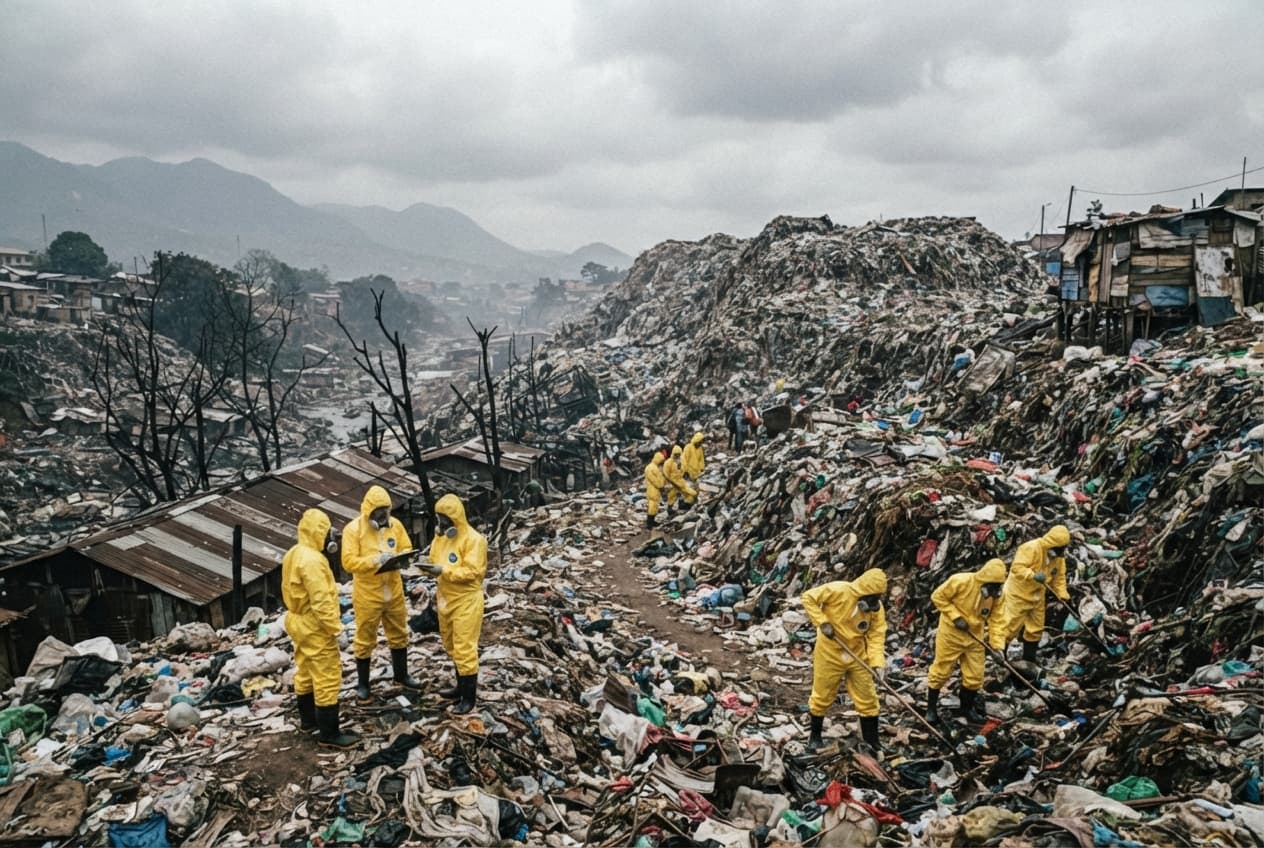
AI Image Disclaimer Visuals are AI‑generated and serve as conceptual representations.
Sources (Media Names Only) BISI Stratfor Worldview VoxUkraine European Commission IMF Board Review
Published by Banx Network. This article is part of the Banx decentralized media programme, powered by the BXE token on the XRP Ledger.