Money can move quietly, almost invisibly, through an economy. It passes from institutions into banks, from banks toward businesses and households, and eventually into the purchases, investments, and projects that give economic statistics their shape. Indonesia is extending one such financial current as the government keeps billions of dollars in state-owned banks to support lending.
The government plans to extend the placement of around $11.2 billion in state-owned banks through 2027, according to Reuters. The funds are intended to encourage banks to expand lending and ensure that available liquidity can reach businesses and other borrowers.
The decision continues an initiative designed to make government funds more productive within the financial system. Rather than remaining unused, the money placed in banks can form part of the liquidity available for loans, subject to banking regulations and lending standards.
State-owned banks occupy a significant position within Indonesia's financial system. Their large customer bases include corporations, small businesses, households, and government-linked projects, giving them a broad channel through which additional liquidity can enter the wider economy.
The effectiveness of such a policy ultimately depends on whether borrowers are willing and able to take on additional credit. Banks may have funds available, but lending also depends on demand, creditworthiness, business prospects, and the broader confidence of consumers and companies.
For businesses, access to financing can determine whether an expansion proceeds, whether equipment is purchased, or whether working capital remains available during periods of uneven demand. For households, credit can support purchases and other financial needs, although borrowing conditions remain an important consideration.
Indonesia's economic authorities have been seeking ways to support growth while maintaining financial stability. Extending the bank placement through 2027 provides more time for the mechanism to operate and for policymakers to observe how effectively it translates into additional lending.
The move also comes as Indonesia's economy continues to expand at around the 5% range. Maintaining that pace requires continued activity across consumption, investment, manufacturing, services, and other sectors, all of which can be affected by the availability and cost of financing.
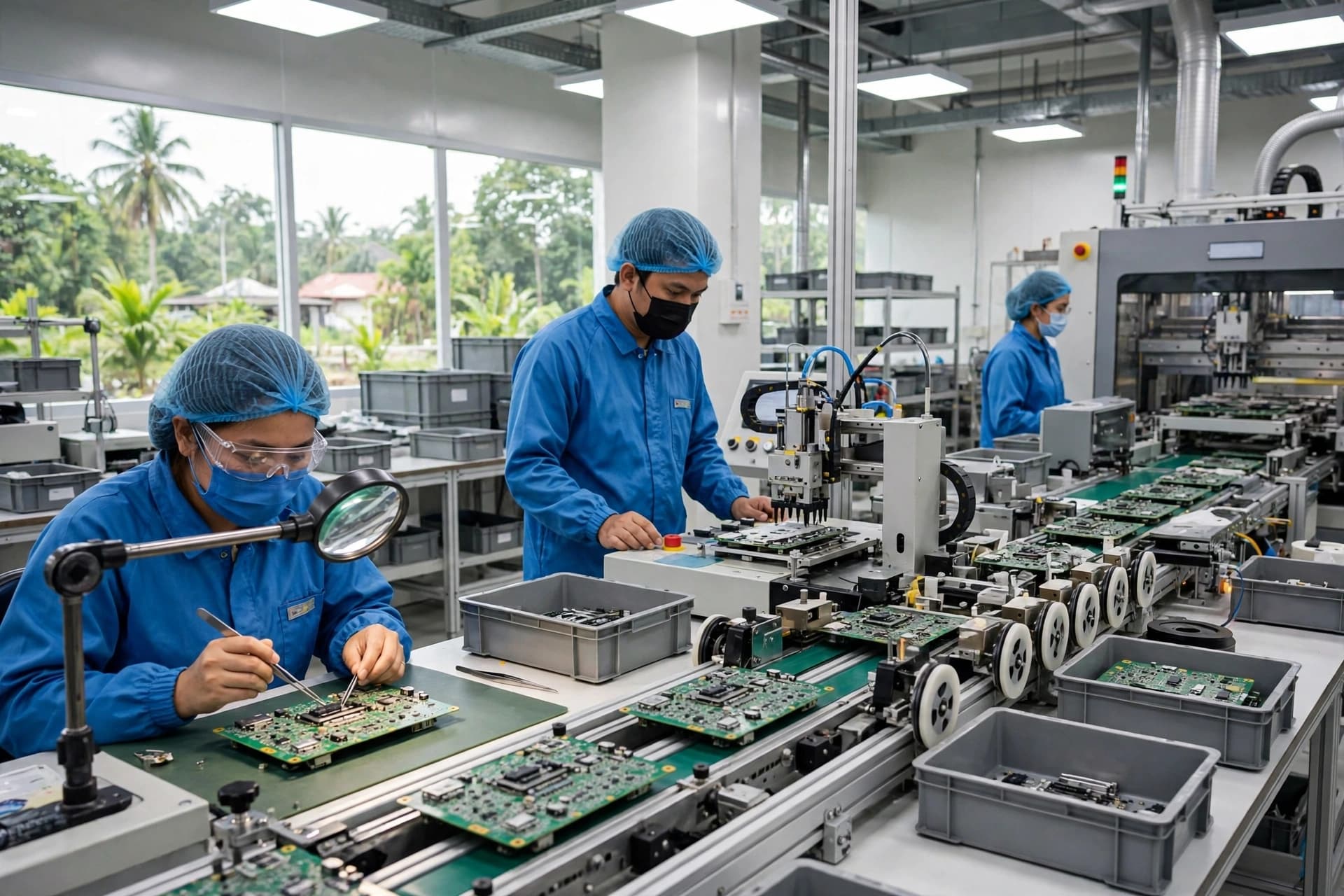
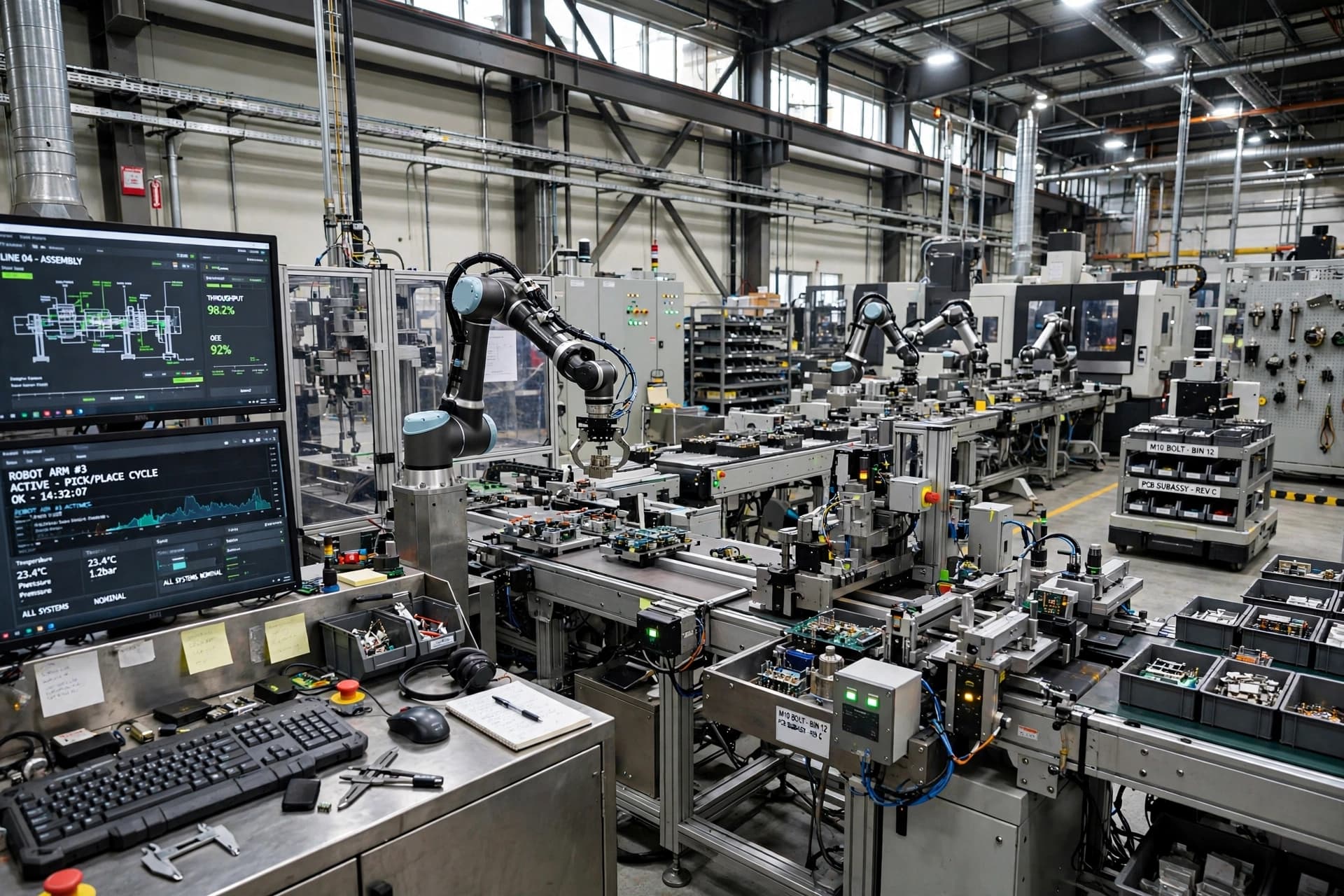
The banking system therefore becomes one of the quiet channels through which economic policy reaches the public. A government decision made at the financial-system level can eventually appear in the form of a business loan, a new factory machine, or working capital for a company.
The extension through 2027 gives Indonesian banks additional time to deploy the funds while authorities monitor credit growth and economic conditions. The next stage will depend on how effectively the additional liquidity translates into actual lending and productive economic activity.
AI Image Disclaimer These images were generated by AI as conceptual representations and should not be interpreted as real photographs.
Sources Reuters Bank Indonesia Ministry of Finance of the Republic of Indonesia
Published by Banx Network. This article is part of the Banx decentralized media programme, powered by the BXE token on the XRP Ledger.