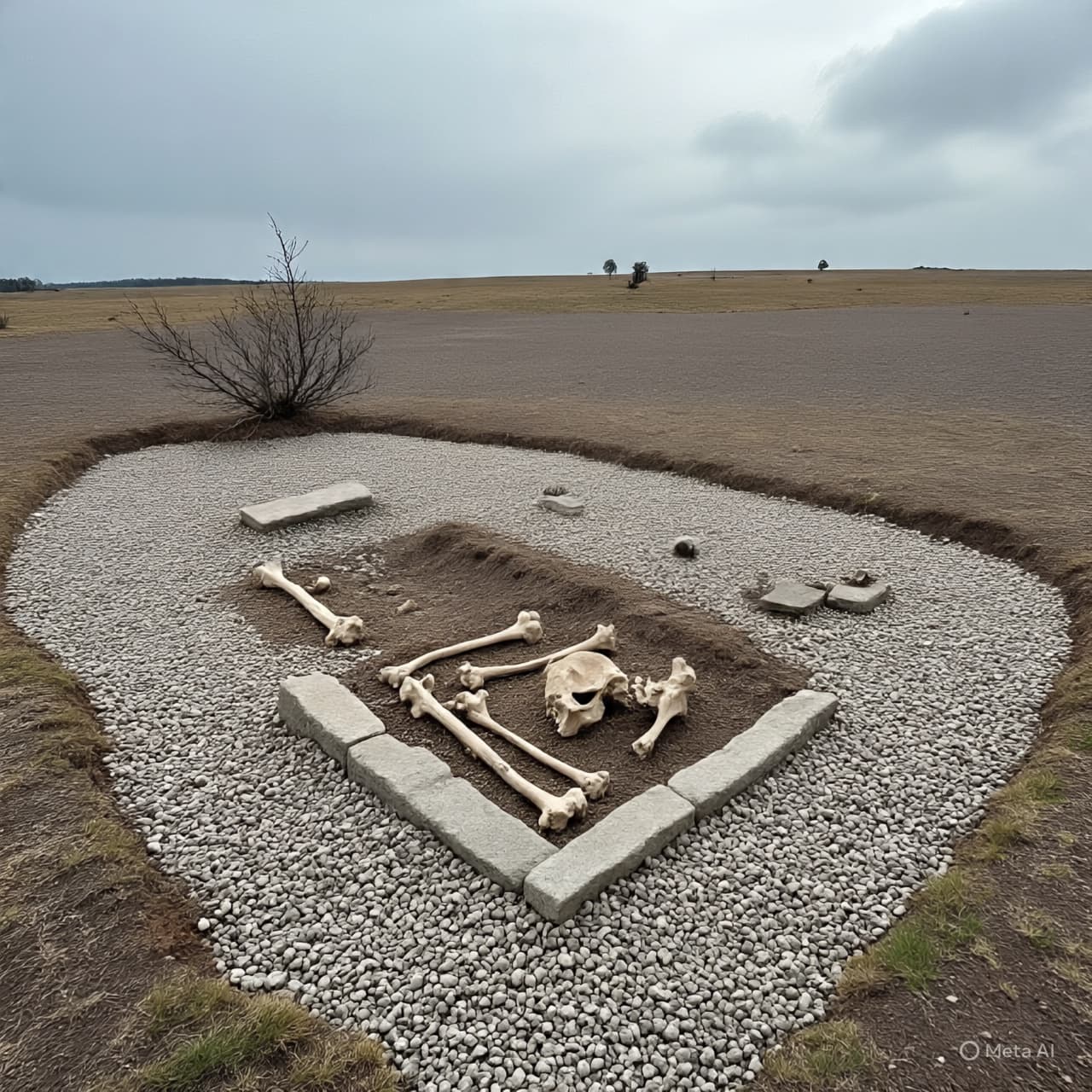
On the Baltic island of Gotland, where wind moves in long, patient breaths across gravel ridges and the sea presses gently against limestone shores, the earth has kept its quiet vigil. Beneath its surface, arranged in careful repose, lay men, women, and children who once watched these same waters shimmer under a northern sun. For 5,500 years, their silence held. Now, in the delicate language of DNA, they have begun to speak.
The Ajvide burial ground, long known to archaeologists for its rich concentration of Stone Age graves, belongs to the Pitted Ware culture — hunter-gatherers who lived along the Baltic coast during a time when agriculture was reshaping much of Europe. These were seal hunters and fishers, people whose daily rhythms followed tide and migration rather than plow and pasture. Their graves, some containing multiple individuals, have intrigued researchers for decades. Were these clusters the resting places of immediate families — mothers and children, parents and offspring laid side by side?
Recent genetic analysis suggests a more intricate story.
A research team from Uppsala University extracted and sequenced DNA from dozens of individuals buried at Ajvide. The findings, published in Proceedings of the Royal Society B, indicate that many of the individuals interred together were not nuclear families in the modern sense. Instead, they were often extended relatives — cousins, aunts, half-siblings — bound by blood yet belonging to a wider network of kinship than previously assumed.
In one grave, the remains of a teenage girl were found accompanied by bones identified as belonging to her father, carefully placed in a manner that suggests deliberate remembrance. In others, genetic ties stretched laterally rather than vertically, revealing communities organized not solely around parent-child units but around broader clan connections. The graves, once interpreted through a contemporary lens of family structure, now appear as expressions of a more expansive social fabric.
The discovery resolves a long-standing debate in Scandinavian archaeology regarding the social organization of these late hunter-gatherer communities. For years, the physical proximity of skeletons in shared graves was taken as evidence of small household units. DNA analysis has now clarified that burial practices reflected extended kin groups, suggesting that identity and belonging may have flowed outward through larger familial constellations.
Beyond correcting earlier assumptions, the study adds dimension to our understanding of Europe’s final hunter-gatherer societies before agricultural populations became dominant. It suggests resilience in older lifeways — communities sustained not only by subsistence strategies but by durable networks of relatedness. In the gravelly soil of Gotland, kinship appears less as a narrow circle and more as a woven net, holding individuals together across generations.
The research team analyzed genetic material from dozens of remains dating back approximately 5,500 years. Their findings contribute to a growing body of ancient DNA studies reshaping interpretations of prehistoric social structures in northern Europe. Further analysis of additional graves is ongoing.
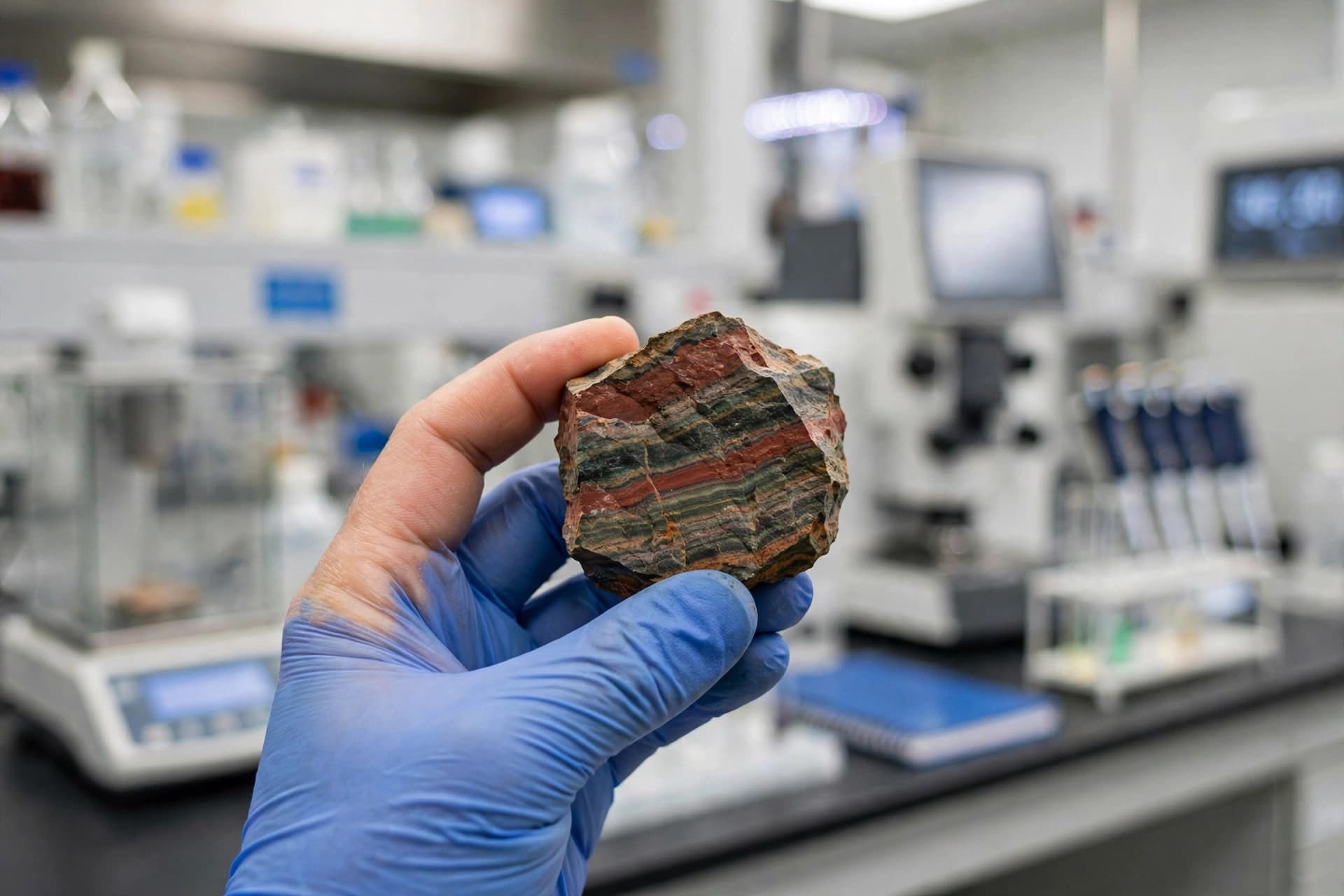
Illustrations were created using AI tools and are not real photographs.
Sources (Media Names Only)
Popular Mechanics ScienceDaily Live Science ArkeoNews EurekAlert
Published by Banx Network. This article is part of the Banx decentralized media programme, powered by the BXE token on the XRP Ledger.