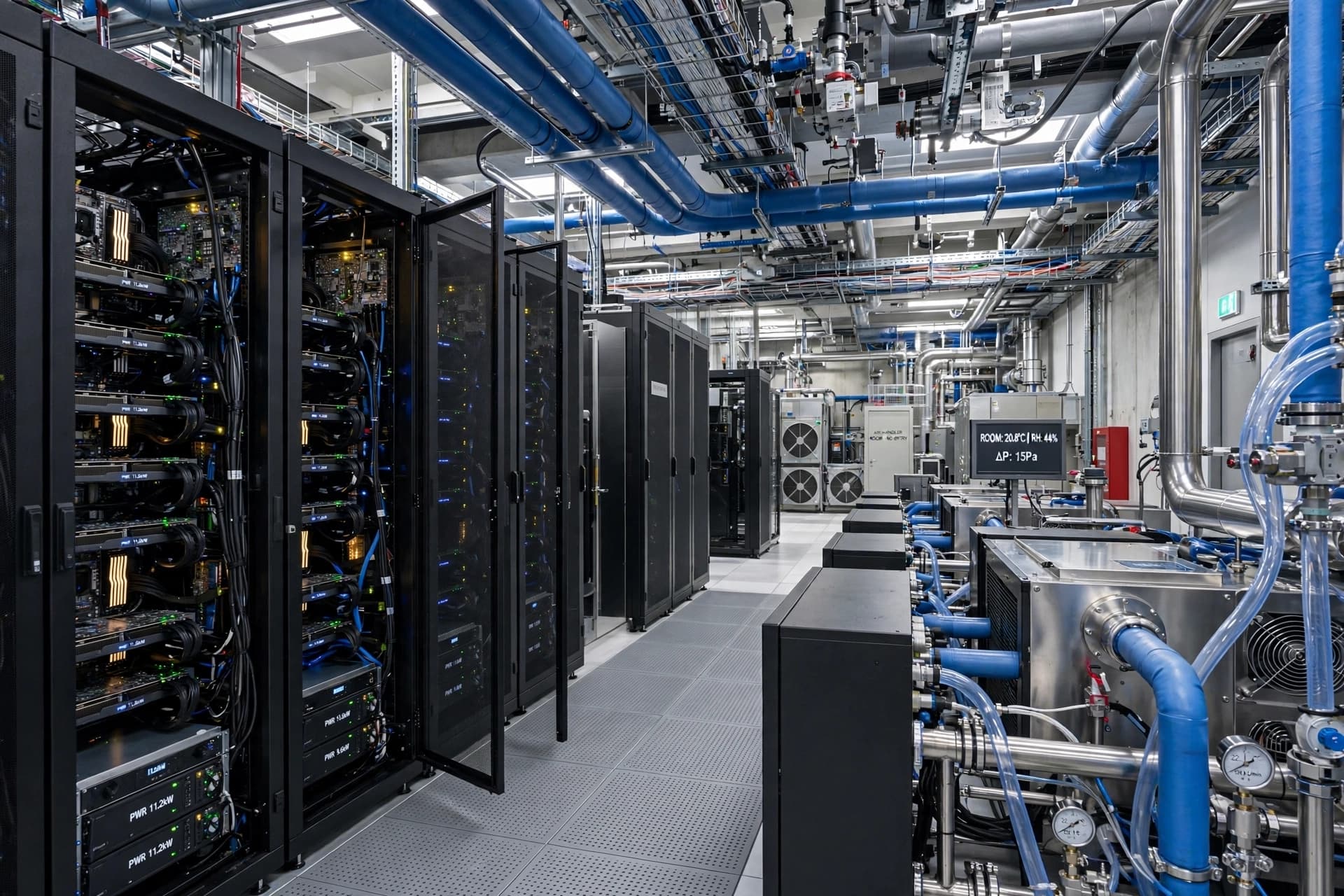
In South Korea, robots have never been strangers.
They have long stood on factory floors, folded neatly into production lines, moving with tireless precision beneath fluorescent lights. Automation arrived early here, welcomed as a partner in growth rather than a threat to labor. But as humanoid robots begin to step out of laboratories and into public imagination, South Korea is approaching them not as marvels to dominate headlines, but as systems that must fit quietly into daily life.
The country’s path toward humanoids does not begin with grand promises of replacement. Instead, it starts with constraint.
South Korea faces pressures that are difficult to ignore: a rapidly aging population, one of the world’s lowest birth rates, and a workforce shrinking faster than policy can respond. In this landscape, humanoid robots are framed less as futuristic icons and more as practical supports—machines designed to assist in hospitals, logistics centers, and care facilities, where human presence is thinning.
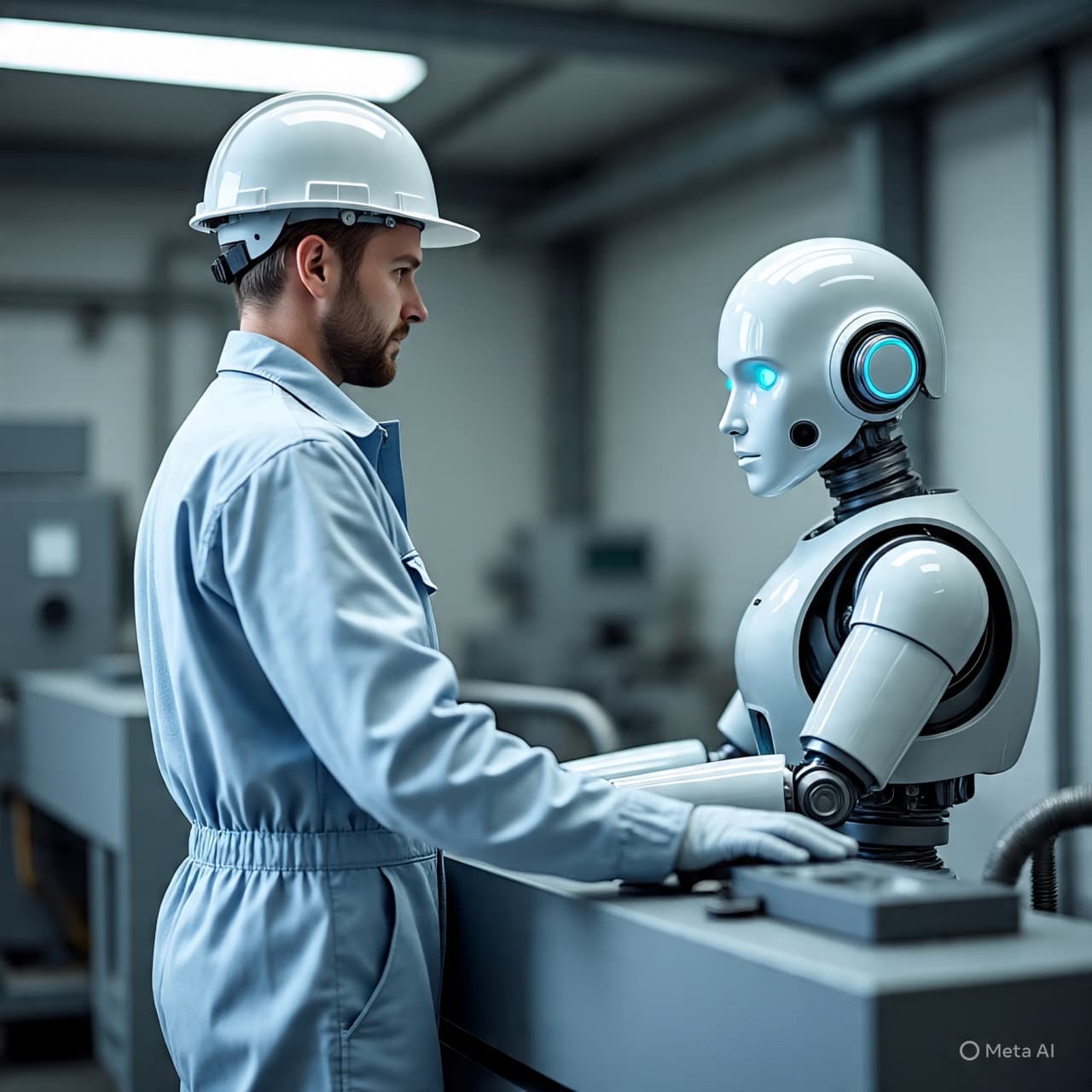
Rather than chasing hyper-realistic androids or theatrical demonstrations, Korean robotics research has focused on reliability, balance, and task specificity. The humanoid form is treated as a tool, not an aspiration. Arms exist to lift and carry in spaces built for humans. Legs exist to navigate stairs and narrow corridors. Faces, when they appear at all, are simplified, deliberately avoiding emotional imitation.
This restraint is cultural as much as technical.
In a society deeply shaped by collective responsibility and social harmony, technology is expected to integrate without disruption. Humanoids are not envisioned as independent agents but as extensions of systems—healthcare, manufacturing, public services—that already rely on coordination and trust. The emphasis lies on predictability and safety rather than autonomy.
Government policy mirrors this philosophy. Instead of singular moonshot projects, funding has flowed into modular platforms and collaborative robots that can evolve gradually. Partnerships between universities, startups, and industrial giants favor incremental deployment over spectacle. The goal is not to unveil a perfect humanoid, but to ensure that when one arrives, it works without drawing attention to itself.
This stands in contrast to more dramatic visions elsewhere, where humanoids are often framed as symbols of competition, dominance, or existential risk. South Korea’s robots are not meant to replace social bonds or challenge identity. They are meant to fill gaps—quietly, efficiently, and without asking to be admired.
Yet the path is not without tension. As humanoids enter care environments, questions surface about dignity, dependency, and the boundaries of machine assistance. The decision to avoid emotional realism does not erase the emotional weight of interaction. Even simple machines, when shaped like us, invite interpretation.
South Korea’s answer has been to slow the narrative. To test in controlled spaces. To prioritize function over form. In doing so, it treats humanoids not as a destination, but as a process—one that unfolds alongside social consent rather than ahead of it.
In this approach, the future of humanoid robotics is not loud or confrontational. It does not announce itself as a turning point. It arrives instead as another layer of infrastructure, settling into place, doing its work, and waiting to be noticed only when it fails.
AI image disclaimer Visuals are AI-generated and serve as conceptual representations.
Sources Korea Advanced Institute of Science and Technology Ministry of Trade, Industry and Energy (South Korea) IEEE Spectrum Nature Robotics
Published by Banx Network. This article is part of the Banx decentralized media programme, powered by the BXE token on the XRP Ledger.